National News
HR 9382 NEXUS Family Applications Bill Aims to Cut Border Red Tape for Travelers
Content Files PDF XML TEXT Metadata download Descriptive Metadata (MODS) Preservation Metadata (PREMIS) All Content and Metadata files, including granules ZIP

About HR 9382 NEXUS Family Applications
Last updated:
Key points
- H.R. 9382 directs U.S. Customs and Border Protection to link household NEXUS applications into a unified review process.
- The measure enables families to synchronize conditional approvals and schedule joint interview appointments at enrollment centers.
- All existing vetting and background check requirements remain mandatory for every individual applicant.
NewsWK — Federal lawmakers are moving to eliminate bureaucratic headaches for American travelers crossing the northern border. New federal legislation targets the frustrating enrollment system for joint cross-border programs. Under current rules, relatives often face separate vetting schedules and scattered interview appointments. Therefore, a bipartisan legislative effort seeks to modernize that cumbersome process.
The measure, designated as H.R. 9382, directs federal authorities to integrate household application tracking. Lawmakers want the federal government to operate with greater common sense. By coordinating reviews, the reform aims to save traveling families both time and money.
Why it matters
Cross-border travel plays an essential role in commerce, tourism, and daily family life. However, long backlogs and fragmented interview schedules often discourage eligible citizens from joining trusted traveler programs. When federal systems function poorly, everyday Americans shoulder the burden of bureaucratic inefficiency. Streamlining this workflow saves money, cuts wasted travel hours, and strengthens border facilitation.
For working parents, scheduling multiple enrollment center visits creates real logistical strain. In fact, families often drive several hours to reach regional border facilities. Requiring separate trips for parents and children wastes fuel and drains personal time. Consequently, synchronizing these visits respects taxpayer resources and helps border communities thrive.
How would HR 9382 streamline CBP NEXUS family applications?
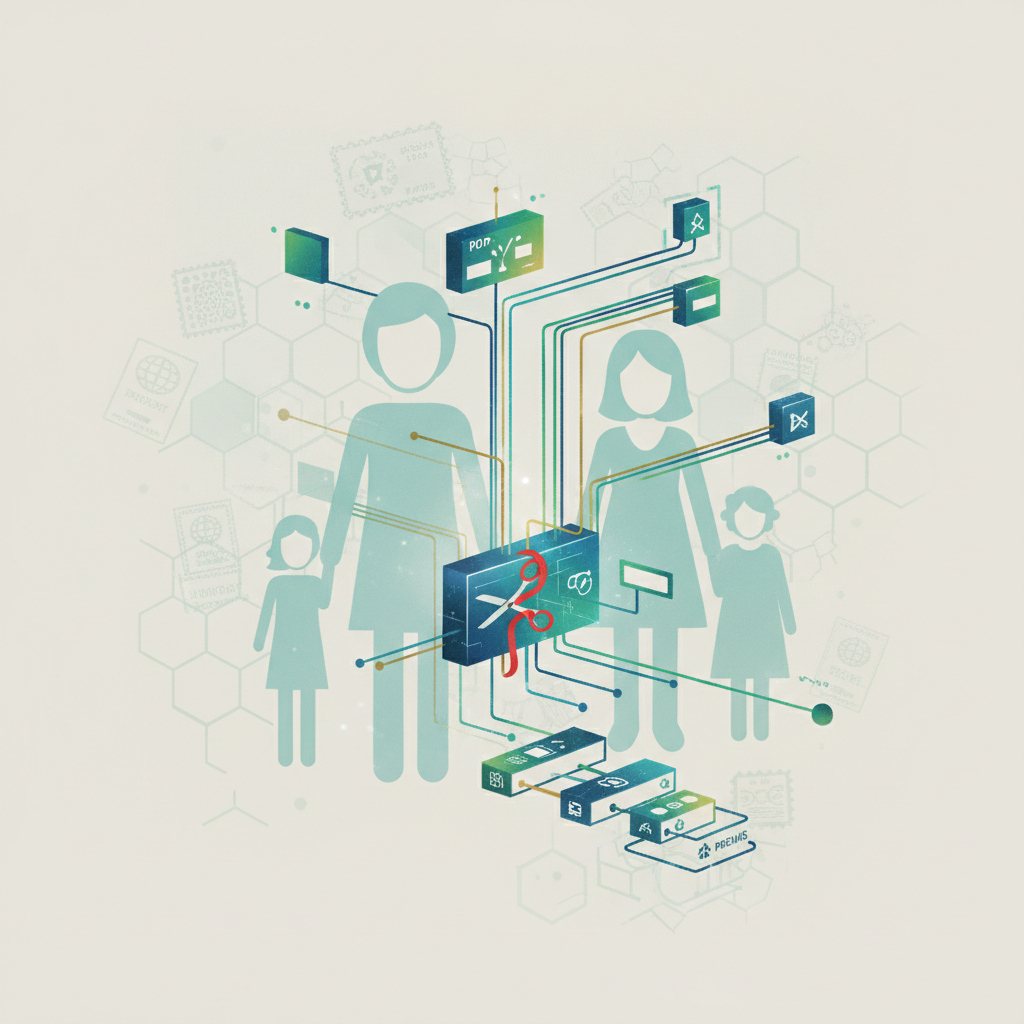
H.R. 9382 requires federal border officials to link household enrollment files into a single tracking system. As a result, parents and children can move through background vetting together. Families can then schedule one joint interview at an enrollment center instead of attending separate appointments across different days.
Under the statutory mandate, the Commissioner of U.S. Customs and Border Protection must update agency software. These digital upgrades will synchronize application status updates for all related household members. Therefore, when one family member receives conditional approval, the system coordinates review timelines for remaining relatives.
The reform specifically targets operational friction inside the Customs and Border Protection NEXUS program. Currently, parents might secure an interview slot while their children wait weeks for conditional approval. This mismatch forces parents to delay bookings or make multiple long-distance trips. Linking the files directly eliminates this administrative obstacle.
What changes in the NEXUS application process for families?
The legislation standardizes processing so that CBP reviews related applications as a single case unit. Applicants will indicate familial ties when submitting their paperwork online. As a result, border personnel can conduct background reviews simultaneously. Meanwhile, the agency maintains every statutory security and vetting standard for individual travelers.
Key procedural updates under the measure include:
- Automatic grouping of submitted household files inside federal traveler databases.
- Coordinated issuance of conditional approvals across all verified family members.
- Joint interview scheduling capabilities at designated land and air enrollment centers.
- Reduced administrative processing burdens for border officers handling enrollment interviews.
Importantly, the legislation maintains rigorous screening standards for every traveler. Each individual applicant must still pass mandatory criminal history and immigration checks. In addition, coordinating the paperwork allows officers to review household documentation concurrently. This synchronized review speeds up overall decision times without weakening security.
How does the Customs and Border Protection NEXUS program work today?
The NEXUS program expedites border clearance for pre-approved, low-risk travelers entering the United States and Canada. U.S. Customs and Border Protection jointly administers the program alongside the Canada Border Services Agency. In practice, members use dedicated lanes at border crossings as well as expedited inspection lines at international airports.
Nevertheless, enrollment backlogs have tested traveler patience over recent years. Following pandemic-era center closures, hundreds of thousands of travelers faced severe interview delays. While agency officials reopened enrollment centers and introduced split interviews, scheduling challenges persisted for large households. Thus, H.R. 9382 tackles this lingering issue directly by targeting the underlying data workflow.
Furthermore, border policy experts emphasize that program efficiency supports lawful commerce and tourism. When trusted travelers use dedicated fast-track lanes, border officers focus attention on higher-risk travelers. Therefore, improving program access reinforces overall border security rather than compromising it.
What are the next legislative steps for HR 9382?
The House of Representatives has formally reported H.R. 9382 out of committee, clearing it for floor action. Lawmakers must now pass the bill through the full House before sending it to the Senate. Because the bill improves efficiency without increasing federal spending, supporters anticipate constructive bipartisan backing.
Meanwhile, border travelers and business leaders continue to call for modern, customer-oriented government systems. Families planning northern border trips will track the legislation closely as it moves forward. Ultimately, if enacted, the bill will deliver welcome administrative relief to thousands of American households seeking hassle-free travel.
This article was produced with the assistance of AI and reviewed by our editorial team.
Sources
Related: House Resolution 1499 Clears Way for Critical Votes on Mining, Higher Education, and Maritime Rules
Related: Study Examines Women on Parole Mental Health and Reentry Crises Across the US
See a typo? Report it here.