Alabama
House Introduces Constitutional Amendment to Prohibit Slavery Punishment Across the Nation
Content Files PDF XML TEXT Metadata download Descriptive Metadata (MODS) Preservation Metadata (PREMIS) All Content and Metadata files, including granules ZIP

Last updated:
Key points
- Lawmakers introduced House Joint Resolution 216 to amend the U.S. Constitution and bar penal servitude.
- The proposal targets the 1865 Thirteenth Amendment clause that permits forced labor as criminal punishment.
- Any constitutional amendment requires approval from two-thirds of Congress and ratification by 38 states.
NewsWK — Federal lawmakers have introduced new legislation to revise the nation’s founding charter. Specifically, House Joint Resolution 216 seeks to remove the criminal punishment exception from the Thirteenth Amendment. The proposal would establish a constitutional amendment to prohibit slavery punishment nationwide.
The Thirteenth Amendment ended chattel slavery in 1865. However, the text retained a specific exception for convicted criminals. That clause allows involuntary servitude “as a punishment for crime whereof the party shall have been duly convicted.” Lawmakers now want to strike that phrase entirely.
Why it matters
This proposal directly impacts prison operations, state budgets, and public safety nationwide. If ratified, the measure would reshape correctional work programs in federal and state facilities. Administrators rely on inmate labor for laundry, food service, and maintenance. Therefore, ending mandatory prison work could significantly increase taxpayer operating expenses.
Supporters view the measure as a vital step to complete the Thirteenth Amendment. They argue that forced prison labor violates fundamental human dignity. Meanwhile, critics caution against unintended consequences for correctional safety. Mandatory work programs teach discipline and essential job skills. Consequently, ending these assignments might disrupt prison order and increase recidivism.
What is the goal of HJ Res 216?
House Joint Resolution 216 aims to eliminate penal servitude across the United States. Specifically, the resolution targets the criminal punishment exception in the Thirteenth Amendment. If Congress approves the measure, the states must then ratify it. The amendment would ultimately ban all forced labor sanctions against convicted criminals nationwide.
Under the proposed resolution, the federal government would formally ban involuntary servitude for crimes. Furthermore, the measure directly addresses daily penal labor assignments. Inmates currently perform various maintenance tasks inside correctional institutions. For example, prisoners prepare meals, clean facilities, and handle municipal cleanup tasks. In addition, several states employ inmate crews for wildland firefighting.
Officials emphasize that the text focuses strictly on coercive labor orders. Still, the policy questions behind it remain complex. Prison directors argue that productive labor promotes rehabilitation. In contrast, legal advocates contend that forced labor depresses wages and encourages over-incarceration.
How would a federal ban slavery punishment affect state prisons?
A federal ban on slavery punishment would immediately override existing state constitutional provisions. Consequently, states would need to restructure daily prison routines and voluntary work models. Correctional systems might also have to raise inmate wages significantly. Alternatively, facilities could rely on outside civilian contractors for essential services, raising overall operating budgets.
Could the measure close the alleged 13th amendment loophole?
Supporters describe the historical criminal exception as the 13th amendment loophole. Historically, Southern states abused the clause through convict leasing systems after the Civil War. Therefore, advocates argue that removing this text protects civil rights. It would permanently prevent penal systems from compelling inmate labor through force or administrative penalties.
However, legal scholars note that modern prison work differs sharply from post-Civil War convict leasing. Today, correctional systems use work assignments to lower operating costs and build vocational resumes. State lawmakers must balance humanitarian arguments against fiscal reality. For example, replacing prisoner labor with private civilian staff would cost taxpayers millions of dollars annually.
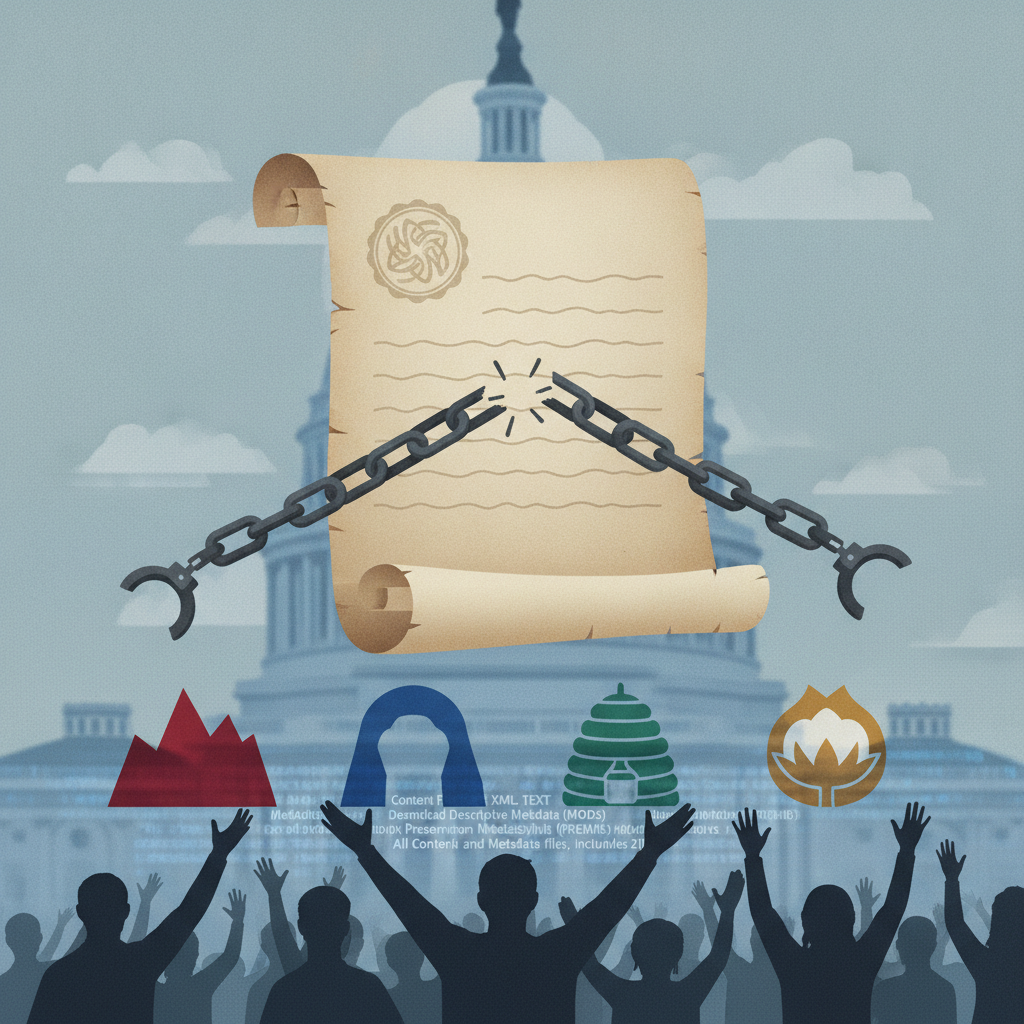
Furthermore, several states have already amended their state constitutions on this issue. Voters in Colorado, Nebraska, Utah, and Alabama recently removed involuntary servitude clauses. Yet, those state-level measures created operational questions regarding basic inmate chore duties.
What hurdles stand before the proposed constitutional amendment?
Passing a constitutional amendment requires an exceptionally high legal threshold under Article V. Specifically, the joint resolution must secure a two-thirds supermajority vote in both congressional chambers. Following congressional approval, three-fourths of state legislatures—specifically 38 states—must vote to ratify the measure before it becomes law.
- Lawmakers must build bipartisan support across both congressional chambers.
- House committees must thoroughly review prison labor impacts.
- In addition, state legislatures must assess budget effects before considering ratification.
Because of these strict procedural hurdles, constitutional amendments rarely pass into law. Thousands of resolutions enter the House hopper over time. However, only twenty-seven amendments have succeeded in American history. Therefore, lawmakers face a long political process before any constitutional change takes effect.
Meanwhile, congressional committees will examine the text in the coming months. Lawmakers will hear testimony from corrections officials, legal scholars, and advocacy groups. Ultimately, the debate will balance constitutional ideals with public safety and taxpayer costs.
This article was produced with the assistance of AI and reviewed by our editorial team.
Sources
Related: House Resolution 1499 Clears Way for Critical Votes on Mining, Higher Education, and Maritime Rules
Related: Study Examines Women on Parole Mental Health and Reentry Crises Across the US
See a typo? Report it here.