District of Columbia
Federal Lawsuit Aims to Block ICE Agents from Polling Places Ahead of Midterms
WASHINGTON — A coalition of civil rights groups and union organizations Friday sued the Trump administration to prevent the deployment of U.S. Immigration and Customs Enforcement agents to polling locations during November’s midterm elections. The suit in the U.S. District Court…

Last updated:
Key points
- A coalition of nine civil rights and labor organizations filed a federal lawsuit to block ICE agents from polling locations during the midterms.
- The lawsuit cites federal laws barring armed forces at voting sites as well as anti-intimidation provisions in the Voting Rights Act.
- The legal challenge follows statements by DHS Secretary Markwayne Mullin and FBI Director Kash Patel regarding federal law enforcement at election sites.
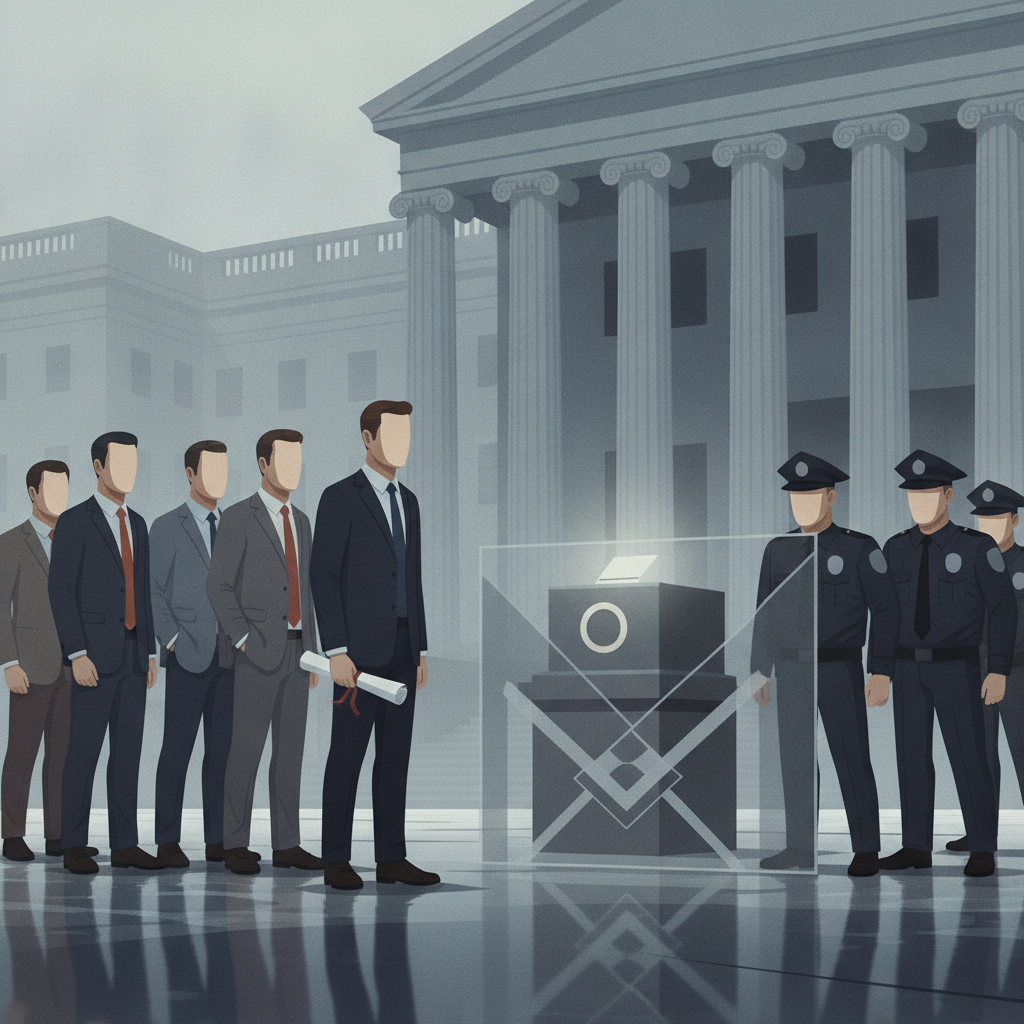
WASHINGTON NewsWK — A major legal dispute over federal authority and voting procedures is heading to court. On Friday, several national civil rights groups and labor unions sued the Trump administration. The plaintiffs want to stop federal immigration officers from entering polling places during the November midterms.
The complaint arrived in the U.S. District Court for the District of Columbia. It represents the second federal challenge filed against the policy this month. Meanwhile, administration officials continue to evaluate how law enforcement agencies handle immigration statutes near voting facilities.
Why it matters
This lawsuit directly affects voters and election administrators across the country. Citizens expect orderly, secure voting locations without disruptions. Meanwhile, local officials need clear guidelines on federal interactions with state elections. Communities must balance border enforcement policies with public confidence on voting day.
Elections in the United States operate primarily under state and local authority. Therefore, armed federal personnel at polling stations touch sensitive constitutional balances. Local precinct workers manage lines, verify voter eligibility, and maintain order. Introducing federal agents into those spaces could create operational confusion for municipal election boards.
Furthermore, local taxpayers often absorb the costs of complex election security measures. When federal policies prompt lawsuits, local election directors spend extra time consulting attorneys. As a result, municipal leaders want immediate clarity before early voting begins nationwide.
What prompted the ICE agents polling places lawsuit?
The lawsuit responds to statements by Trump administration officials about immigration enforcement at polls. Homeland Security Secretary Markwayne Mullin indicated that agents could conduct operations at polling places under certain circumstances. Consequently, voting rights groups sued, arguing that such actions exceed federal authority and disrupt normal voting.
Secretary Mullin previously suggested that agents might enter voting sites under specific operational conditions. In addition, FBI Director Kash Patel addressed the topic during recent congressional testimony. Patel did not rule out assigning bureau personnel to voting sites. However, he stressed that agents would follow established law. Neither the Department of Homeland Security nor the Department of Justice issued an immediate response.
Civil rights leaders quickly criticized the administration’s posture. “We reject this administration’s attempt to desecrate our polling sites by converting them into militarized zones through the unlawful deployment of ICE or any other federal agent,” said Kristen Clarke, general counsel for the NAACP.
Clarke also added: “Turning the fundamental right of exercising our vote into a high-stakes encounter with the militarized strong arm of the current administration isn’t protection and it isn’t oversight; it’s disenfranchisement, period.”
Who joined the ICE agents polling places lawsuit?
Nine advocacy groups and labor unions joined together as plaintiffs in the lawsuit. The coalition brings together prominent civil rights institutions and major labor organizations. Several national public interest legal foundations now represent these groups in the District of Columbia federal court.
The plaintiffs in the lawsuit represent a broad coalition of national organizations:
- The NAACP and the National Urban League
- Mi Familia en Acción and Asian Pacific American Advocates
- Minnesota 8, an immigrant advocacy group
- The Service Employees International Union
- The American Federation of Teachers
- The International Union of Painters and Allied Trades
- The United Food and Commercial Workers International Union
Legal counsel for the coalition includes several prominent legal defense organizations. Specifically, attorneys from the Legal Defense Fund and the Brennan Center for Justice joined the case. In addition, LatinoJustice PRLDEF and the Asian American Legal Defense and Education Fund represent the plaintiffs. The National Immigration Law Center, Protect Democracy, and the Democracy Defenders Fund also serve on the team.
How does federal law restrict armed personnel at polling sites?
Federal statutes strictly bar armed forces and federal troops from polling locations. Long-standing law allows armed troops at voting sites only to repel foreign enemies during military conflicts. In addition, the Voting Rights Act explicitly outlaws any actions that intimidate, threaten, or coerce eligible voters at the polls.
Federal law restricts military personnel and armed federal officers at election locations. Specifically, the statute only allows armed forces at polls when necessary to repel foreign enemies. Because domestic immigration operations do not involve foreign military invasions, plaintiffs contend the administration lacks statutory authority for polling place enforcement.
Additionally, the plaintiffs cite core provisions within the Voting Rights Act. That statute prohibits any act that threatens, intimidates, or coerces citizens who attempt to cast ballots. Therefore, the plaintiffs maintain that armed immigration officers will discourage naturalized citizens and mixed-status families from voting.
What are the legal arguments surrounding election integrity?
Supporters of the administration argue that federal agents hold a legal duty to enforce statutes nationwide. They state that consistent enforcement protects election integrity by preventing unlawful voting. Conversely, plaintiffs argue that statutory protections around polling places strictly limit federal police powers on election day.
Judges must now weigh these competing legal principles before November. The administration contends that federal law enforcement must retain flexibility to address statutory violations wherever they occur. In contrast, the challengers insist that federal voting statutes take precedence over discretionary agency enforcement actions.
Next, the federal district court will likely set a briefing schedule to hear preliminary motions. Both sides expect swift action because election day draws closer. In the meantime, county election workers across the nation continue preparations for standard midterm balloting.
This article was produced with the assistance of AI and reviewed by our editorial team.
Sources
Related: ICE at Polling Places Lawsuit Challenges Federal Security Measures Ahead of Midterms
Related: Can Trump Send Troops to Polling Places? Legal Limits and State Authority Explained
Related: Study Examines Women on Parole Mental Health and Reentry Crises Across the US
Related: Twenty States File Lawsuit Over Federal Immigration Requirements on Law Enforcement Grants
Related: House Resolution 1499 Clears Way for Critical Votes on Mining, Higher Education, and Maritime Rules
Related: Sanctuary Policies Block Federal Jail Transfers as ICE Ramps Up Enforcement Across U.S. Communities
See a typo? Report it here.