Illinois
States Tighten Rules on Cash Buyers with New Real Estate Wholesaling Regulations
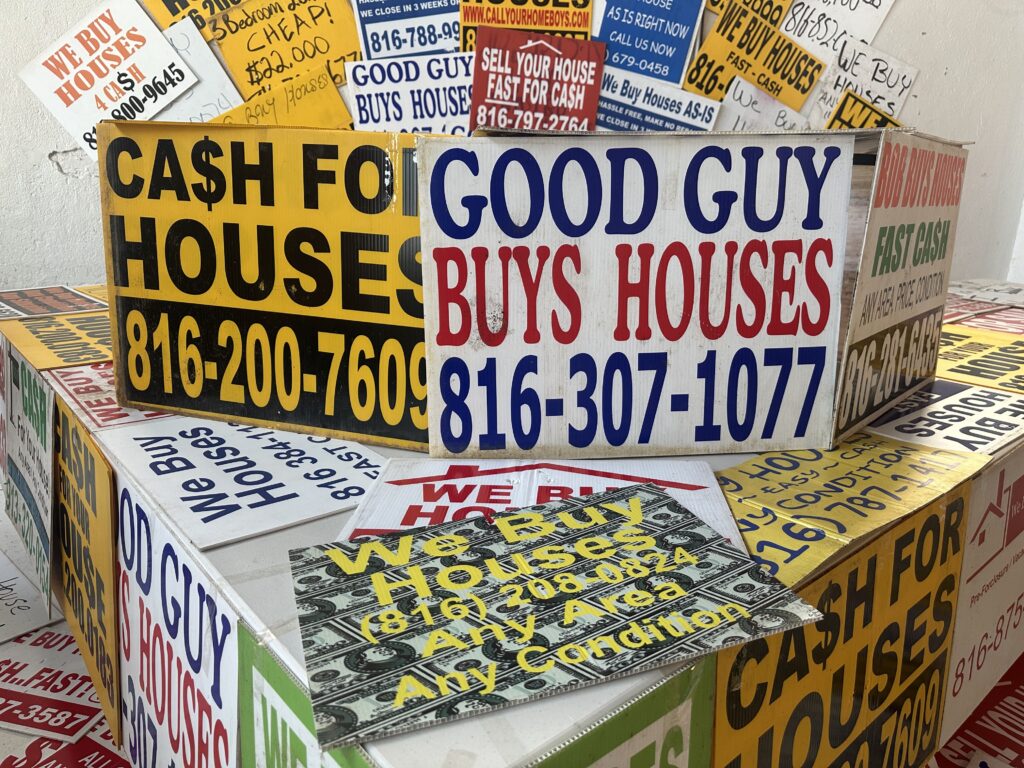
WE BUY HOUSES. CASH 4 HOMES. FA$T CA$H. The signs, text messages and mailers promise cash, quick sales and a seamless means of unloading unwanted homes. But advocates say the business of buying homes for cash can confuse vulnerable homeowners…

Last updated:
Key points
- At least 15 states have recently passed laws to regulate real estate wholesalers who offer quick cash for homes.
- Missouri’s new law mandates a 14-day disclosure period to ensure sellers understand they may receive below-market offers.
- Advocacy groups like the AARP are pushing for stricter rules to protect vulnerable seniors and preserve home equity.
NewsWK — Bright signs promising fast cash for houses line street corners across America. These advertisements offer a quick alternative to traditional property sales. However, many states now enact strict measures to protect homeowners from financial loss.
Why it matters
Home equity represents the largest financial asset for most American families. When real estate wholesalers buy properties far below market value, homeowners lose vital generational wealth. Therefore, these new rules aim to protect vulnerable residents. They also preserve a legitimate exit option for owners of highly distressed properties.
What is the Missouri Real Estate Wholesaling Law?
The Missouri real estate wholesaling law creates a transparent process for property sales. Specifically, it requires cash buyers to give written disclosures to sellers at least 14 days before closing. As a result, homeowners understand the buyer’s true intent before finalizing any agreement. For example, buyers may offer below market value and assign the contract to another investor.
Republican State Representative Chris Brown sponsored this legislation. He wanted to protect Missourians from losing their hard-earned equity. In addition, wholesalers often target homeowners facing urgent financial crises. They also seek out properties in severe disrepair. Consequently, these sellers frequently do not know the actual market value of their land and buildings.
Representative Brown emphasized that the law does not outlaw the practice. Instead, it focuses directly on consumer awareness. “We’re just trying to make sure that there’s transparency there, and that the seller of the property is in fact educated and fully informed as to what the wholesaler plans to do with the property,” Brown stated.
Furthermore, the new Missouri regulations encourage sellers to consult with a real estate attorney before signing contracts. Ultimately, this buffer period allows families to explore other selling options.
How Do States Enforce Cash for Homes Laws?
States enforce cash for homes laws through two primary regulatory pathways: mandatory licensing and strict disclosures. Currently, at least 15 states have passed laws targeting these transactions. For instance, some states require wholesalers to obtain professional real estate licenses. Meanwhile, others mandate clear written warnings for prospective sellers.
This legislative push has gained significant bipartisan support across the nation. Therefore, these new regulations ensure that quick offers do not mislead homeowners. States employ several key strategies to oversee these quick-cash transactions:
- Mandatory Disclosures: Maryland, Ohio, Oklahoma, and Texas require buyers to disclose their profit-seeking intentions.
- Professional Licensing: Illinois, South Carolina, and Rhode Island require wholesalers to hold active real estate licenses.
- Cooling-off Periods: Missouri mandates a 14-day waiting period before closing.
Licensing places these investors under the direct supervision of state regulatory boards. As a result, consumers gain an official avenue to file complaints about deceptive practices.
In Rhode Island, Democratic State Senator Robert Britto sponsored a licensing bill. The measure passed with virtually no opposition. Local real estate associations backed the bill because consumers often mistake wholesalers for licensed agents. Without licensing, state regulators lack the authority to discipline bad actors.
Why Are Advocates Targeting Predatory Real Estate Wholesaling?
Housing advocates target predatory real estate wholesaling because it often siphons equity from vulnerable homeowners. Specifically, low-income, minority, and elderly residents face the greatest financial risk. Wholesalers operate outside traditional MLS listings. Consequently, vulnerable sellers frequently accept cash offers representing only a small fraction of their home’s actual market value.
Groups like AARP are actively lobbying for model legislation to establish nationwide consumer safeguards. For example, the senior advocacy organization wants mandatory appraisals and cancellation rights. They also demand strict limits on aggressive marketing tactics.
For many older Americans, home equity represents their entire retirement safety net. When aggressive buyers pressure seniors into quick sales, these homeowners risk their long-term financial security.
However, industry groups argue that ethical wholesalers serve a valuable purpose in the market. Jeff Watson, general counsel for the National Real Estate Investors Association, defended the practice. He noted that wholesalers can quickly buy distressed properties that traditional agents avoid. “Ethical wholesalers can do tremendous things for them,” Watson said. Specifically, he referred to families who inherit neglected or damaged homes.
Therefore, some prominent real estate investors now encourage peers to adopt full transparency voluntarily. Ultimately, honest communication helps buyers secure legitimate deals. It also protects the integrity of the broader real estate market.
This article was produced with the assistance of AI and reviewed by our editorial team.
Sources
Related: Housing Price Transparency Act Introduced in Congress as Lawmakers Weigh Market Disclosures
Related: Democrats aim to emulate Republicans in building state power
See a typo? Report it here.