Alaska
State Legislative Elections Competitive Chambers Outline High-Stakes Midterm Battles
Party control is up for grabs in 15 state legislative chambers across the country as Republicans are increasingly on the defensive this midterm election cycle, a new analysis found. The nonpartisan newsletter Sabato’s Crystal Ball at the University of Virginia’s…

Last updated:
Key points
- Analysis from Sabato’s Crystal Ball identifies 15 state legislative chambers as top battlegrounds this midterm cycle.
- Democrats are working to break GOP supermajorities in 15 additional Republican-controlled statehouses nationwide.
- Voters will decide 6,137 state legislative seats next month, with 66 percent contested by both major parties.
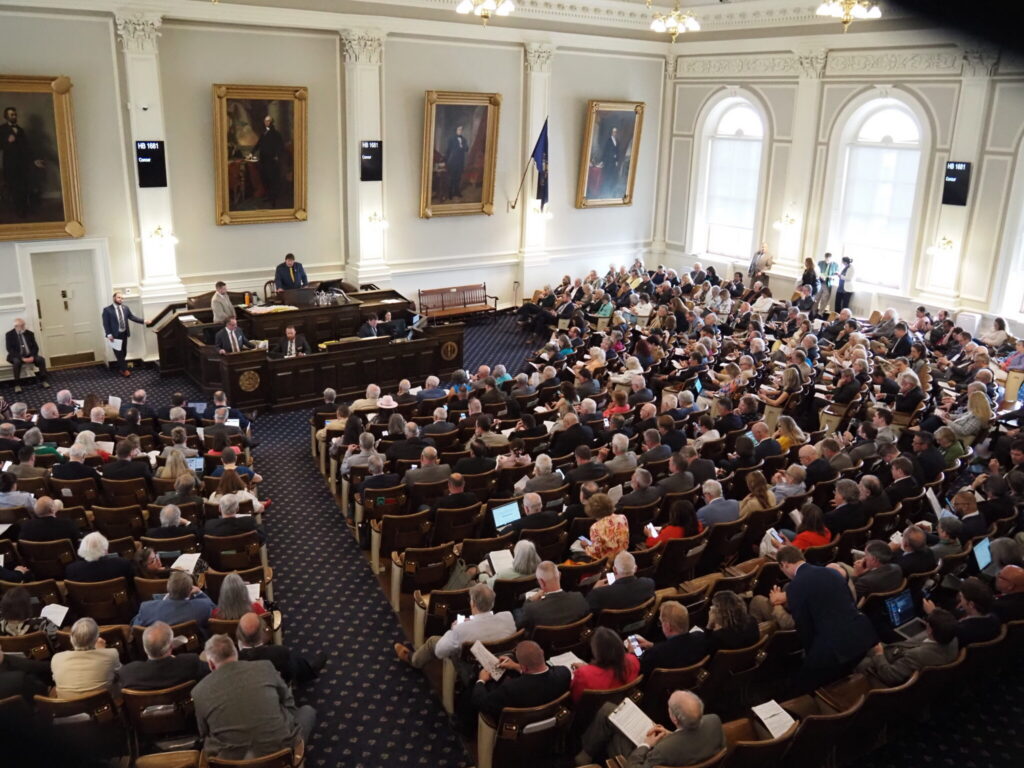
NewsWK — Voters across 46 states will decide 6,137 statehouse seats this November. Republicans currently maintain a majority of legislative chambers nationwide, a position held since 2010. However, new election ratings show shifting political dynamics across key statehouses.
Which State Legislative Races Could See Major Power Shifts?
Political analysts identify 15 legislative chambers as primary battlegrounds this cycle. These contested bodies include both chambers in Arizona, Michigan, Minnesota, New Hampshire, and Wisconsin. In addition, party control remains close in the Maine House, Georgia House, Pennsylvania Senate, and both Alaska chambers.
A recent Sabato Crystal Ball legislative analysis updated projections for 10 chambers toward Democrats. Currently, Republicans hold nine of the 15 competitive chambers, while Democrats control three. Meanwhile, bipartisan coalitions lead two chambers in Alaska, and Minnesota’s House remains split evenly. Key battlegrounds include:
- Arizona House and Senate
- Georgia House
- Michigan House and Senate
- New Hampshire House and Senate
- Wisconsin Assembly and Senate
How Could Democrats Flip State Legislative Chambers in 2026?
Democratic strategists hope national political reactions against federal leadership will boost their state legislative races this fall. They seek to overturn long-standing Republican majorities across several state capitals. Nevertheless, conservative lawmakers rely on successful policy records and local constituent support to defend their majorities.
Can Opposing Candidates Break GOP Supermajorities?
Challengers are also targeting states where full chamber flips remain unlikely. In these statehouses, the goal is to break GOP supermajorities that allow Republicans to override executive vetoes. This strategy targets chambers in Florida, Georgia, Indiana, Iowa, Kansas, Missouri, North Carolina, Ohio, and Texas.
According to Ballotpedia, voters face the third most competitive state legislative landscape since 2010. Both major parties are contesting 4,052 seats, representing 66 percent of all races. Furthermore, 1,156 incumbents faced primary challenges, surpassing the 16-year average for statehouse elections.
This article was produced with the assistance of AI and reviewed by our editorial team.
Sources
Related: Could a Democrats Governor Majority Become Reality in the Upcoming Midterm Elections?
Related: Democrats aim to emulate Republicans in building state power
See a typo? Report it here.