California
Supreme Court California Vote Counting Request Rejected Ahead of Midterms
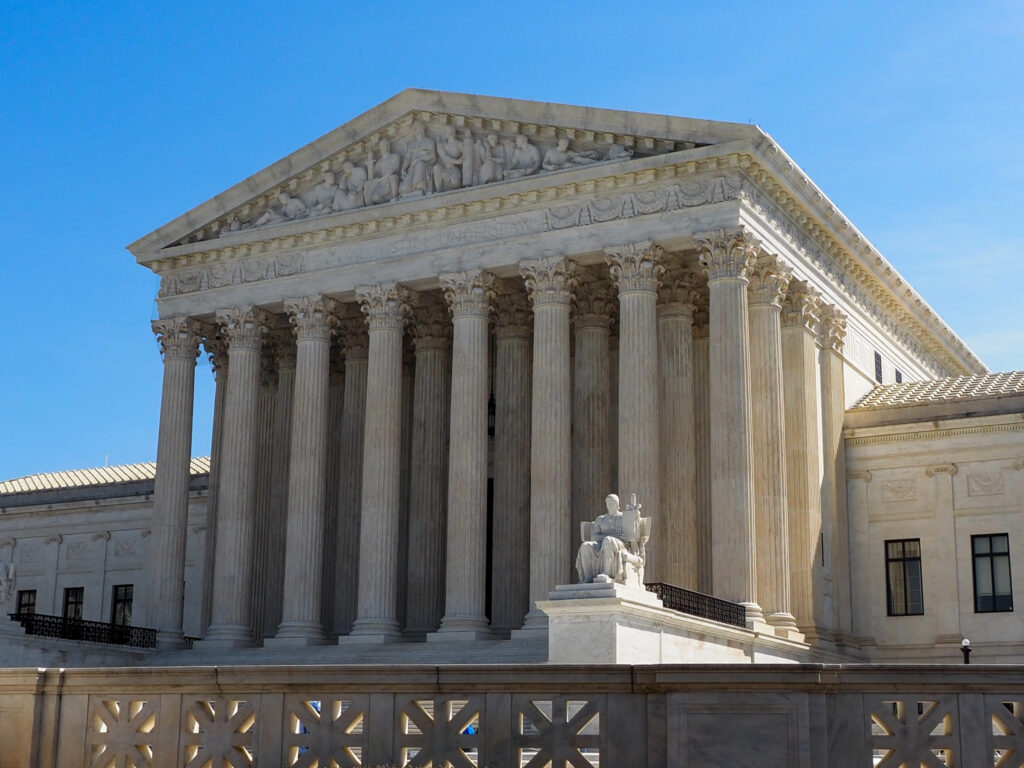
The U.S. Supreme Court on Monday, mere hours before Election Day in the midterms that will determine control of Congress, denied the Trump administration’s final attempt to force California to set aside the ballots of 20,000 people it suspects are…

Last updated:
Key points
- The U.S. Supreme Court denied a federal request to set aside roughly 20,000 California mail-in ballots.
- Justice Department attorneys acknowledged in lower court hearings that the underlying screening list contained high error rates.
- The decision upholds state authority over election administration and prevents operational delays in local vote counting.
NewsWK — The U.S. Supreme Court rejected a federal emergency request on Monday. The federal government wanted to freeze California ballot counting. Instead, Supreme Court justices issued a brief, one-sentence order without any noted dissents. Because of this decision, state election workers will process all ballots under normal state rules.
How Will the Decision Affect Los Angeles County Election Voting?
Local election officials in Southern California can now complete vote tallies without federal interference. Meanwhile, election workers in Los Angeles County avoid the threat of federal criminal prosecution. Therefore, local clerks can maintain normal processing schedules. They can also fulfill their duties under state law.
Federal officials previously warned local administrators against counting challenged ballots. Department of Justice attorneys argued that tabulating unverified ballots aided illegal noncitizen voting. However, local clerks insisted that setting aside thousands of ballots would halt the election process.
In Los Angeles County, election administrators faced intense pressure from federal prosecutors. Federal authorities even issued grand jury subpoenas to local election workers. Assistant Registrar-Recorder Aman Bhullar warned in court filings that ballot segregation could stop voting entirely. But the High Court’s order removes that immediate operational risk for local workers. Consequently, local clerks will proceed with standard vote counting procedures across the state.
What Prompted the Trump DOJ California Election Lawsuit?
ballots Department of Justice lawyers relied on a screening list from Homeland Security officials. However, federal prosecutors later admitted in court that the list contained significant errors. Therefore, federal claims about widespread noncitizen registration lacked firm evidentiary backing.
The federal legal challenge created intense friction over three weeks before the midterm election. Solicitor General D. John Sauer argued that noncitizen voting violates federal statutes. Because federal law bans noncitizen voting, Sauer insisted states cannot count invalid ballots. Furthermore, he stated that federal agencies identified over 20,000 suspected noncitizens on California voter rolls.
Still, the reliability of the federal list drew heavy criticism from state election administrators. Department of Justice staff cross-referenced public voter files with commercial databases and federal records. Yet during a Federal Court hearing in California, government lawyers conceded key flaws. A judge questioned Assistant U.S. Attorney Kenneth Kao about the list’s accuracy. Kao stated, “I think that’s a fair statement,” acknowledging a high error rate. For example, independent checks revealed that many listed individuals were verified U.S. citizens. Also, researchers discovered that over 40 percent of flagged names were missing from current rolls.
Key legal and factual developments in the case include:
- Federal list scope: Homeland Security identified roughly 20,000 voter entries for review.
- Data discrepancies: Outside analyses showed 42 percent of names were not on active voter lists.
- Court concessions: Justice Department counsel admitted in Federal Court that the data had significant error rates.
- Unanimous action: The Supreme Court rejected the stay without any public dissents.
How the California Noncitizen Ballot Decision Impacts State Authority
The ruling reaffirms key constitutional boundaries regarding election administration and state sovereignty. Under the U.S. Constitution, individual states hold primary authority over election management. Furthermore, federal courts generally avoid altering state voting procedures immediately before an election. This legal principle helps prevent confusion and administrative chaos for local election clerks.
Legal scholars noted that California law already mandates strict citizenship verification standards. Every registered voter must sign a sworn statement under penalty of perjury. Meanwhile, Cato Institute fellow Stephen Richer weighed in on the dispute. Richer emphasized that “the federal government has suspicions — not proof — that certain voters are not citizens.” He stated that state law provides existing mechanisms to challenge individual voter eligibility. Additionally, federal agencies cannot create new rules right before voting ends.
The justices denied the federal application without even requesting a brief from California. Legal expert Steve Vladeck noted that such swift rejections are remarkably rare at the High Court. Then, the court issued its decision without any published dissenting opinions. Ultimately, this California noncitizen ballot decision protects state control over voting procedures. Election integrity remains a top concern for voters across the country. However, federal actions must align with constitutional limits and verified evidence.
This article was produced with the assistance of AI and reviewed by our editorial team.
Sources
Related: Supreme Court mail in ballot ruling allows states to accept votes arriving after Election Day
Related: DOJ California Noncitizen Voters Lawsuit Escalates Election Integrity Battle
See a typo? Report it here.