National News
Senate Passes Combating CCP Labor Abuses Act to Shield U.S. Supply Chains
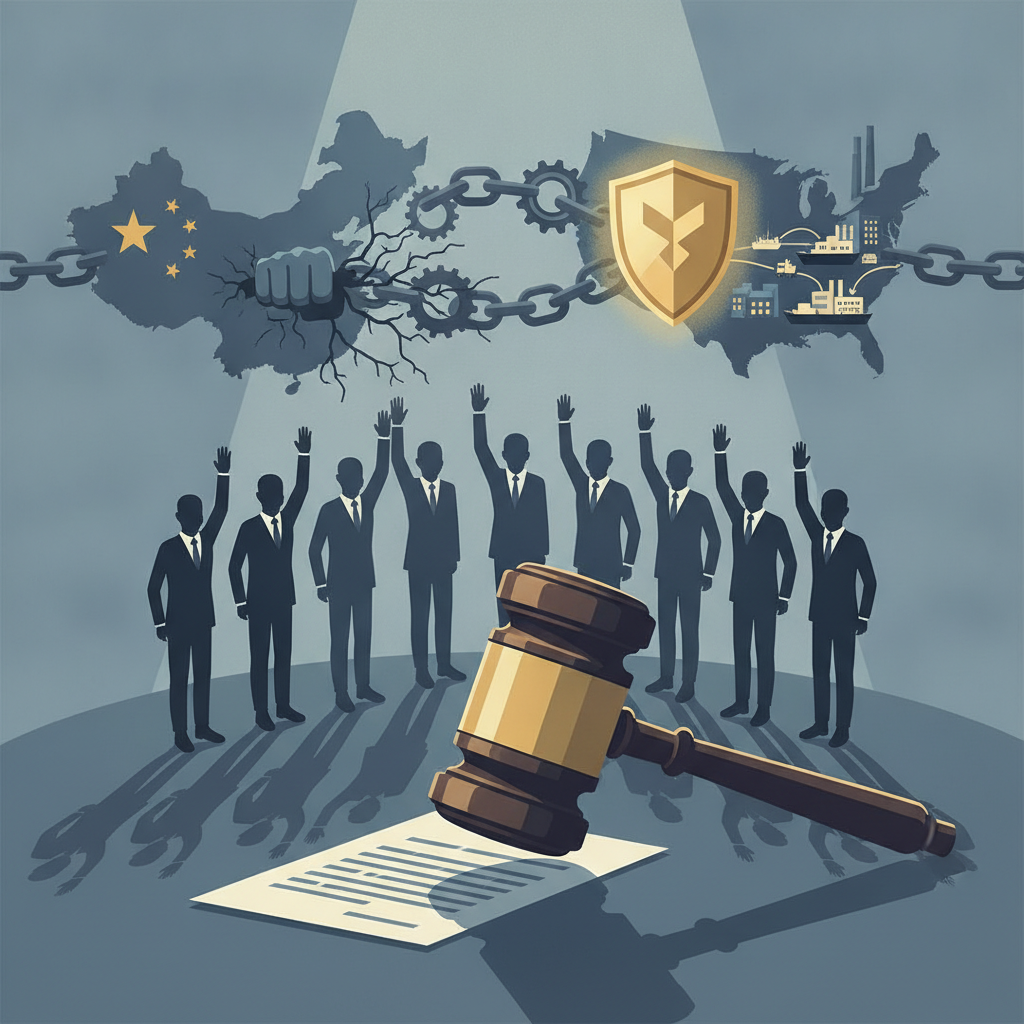
The U.S. Senate passed the Combating CCP Labor Abuses Act to protect domestic supply chains. Sponsored by Senator Gary Peters, the bill requires the Department of Commerce to issue guidance and training on avoiding forced labor in Xinjiang, China.


Last updated:
Key points
- The U.S. Senate passed the Combating CCP Labor Abuses Act to protect domestic supply chains from foreign forced labor.
- The legislation mandates Commerce Department training and risk guidance regarding human rights abuses against Uyghurs in Xinjiang.
- Senator Gary Peters sponsored the bipartisan measure alongside Republican cosponsors Cynthia Lummis and John Curtis.
What Does the S 580 Senate Bill Mean for American Companies?
NewsWK — The U.S. Senate passed legislation targeting forced labor in China to protect domestic supply chains. The measure directs federal officials to warn domestic firms about foreign human rights violations. The bill mandates federal outreach regarding state-sponsored labor exploitation. Also, enterprise leaders will receive direct guidance to steer clear of coercive labor in overseas manufacturing markets.
How Does the Combating CCP Labor Abuses Act of 2026 Protect U.S. Markets?
The legislation addresses forced labor practices conducted by the Government of the People’s Republic of China against ethnic minorities. Under the bill, federal agencies must educate American commercial leaders on ethical sourcing. The original text focused heavily on state-sanctioned abuses. And trade officers must outline serious economic, legal, and reputational risks associated with abusive overseas operations.
What Department of Commerce Uyghur Labor Guidance Will Be Required? Combating CCP Labor Abuses Act
Specifically, the legislation requires federal training on abuses against the Uyghur population in the Xinjiang Uyghur Autonomous Region. But the Senator Gary Peters CCP bill also directs trade authorities to supply actionable risk assessments. Because of these requirements, American companies can better avoid doing business in regions with severe human rights violations.
When Did Lawmakers Advance the Legislation?
Lawmakers first introduced the bipartisan measure on February 13, 2025. Senator Gary Peters introduced the bill alongside Republican cosponsors Cynthia Lummis and John Curtis. The Senate read the bill twice before referring it to the Committee on Commerce, Science, and Transportation. Then the committee ordered the bill reported on April 30, 2025. Next, the Congressional Budget Office published its cost estimate on July 25, 2025. The committee formally reported the bill three days later as Senate Report 119-48 under Calendar Number 129. Finally, the full Senate passed the engrossed measure with substitute and title amendments on November 19, 2026.
This article was produced with the assistance of AI and reviewed by our editorial team.
Sources
Related: Study Examines Women on Parole Mental Health and Reentry Crises Across the US
Related: House Resolution 1499 Clears Way for Critical Votes on Mining, Higher Education, and Maritime Rules