Washington
Bahrain Iran Attack Escalates Tension Near US Military Bases
Tiny Bahrain Is Paying a Big Price for Its Ties to the U.S. What’s behind Iran’s escalation of attacks in the Gulf? Bahrain says Iran strikes industrial facility as air defences intercept attacks What Is Trump Up To Bombing Iran’s…


Last updated:
Key points
- Bahrain air defenses intercepted an Iranian missile and drone attack on November 21, 2026, though falling shrapnel and a direct hit damaged a civilian facility and injured two people.
- Iran‘s IRGC claimed responsibility, stating the attack targeted U.S. military facilities at Al-Riffa and Awali, including Patriot radar systems.
- U.S. forces and regional allies remain on high alert as hostilities continue to threaten Persian Gulf security and American service members.
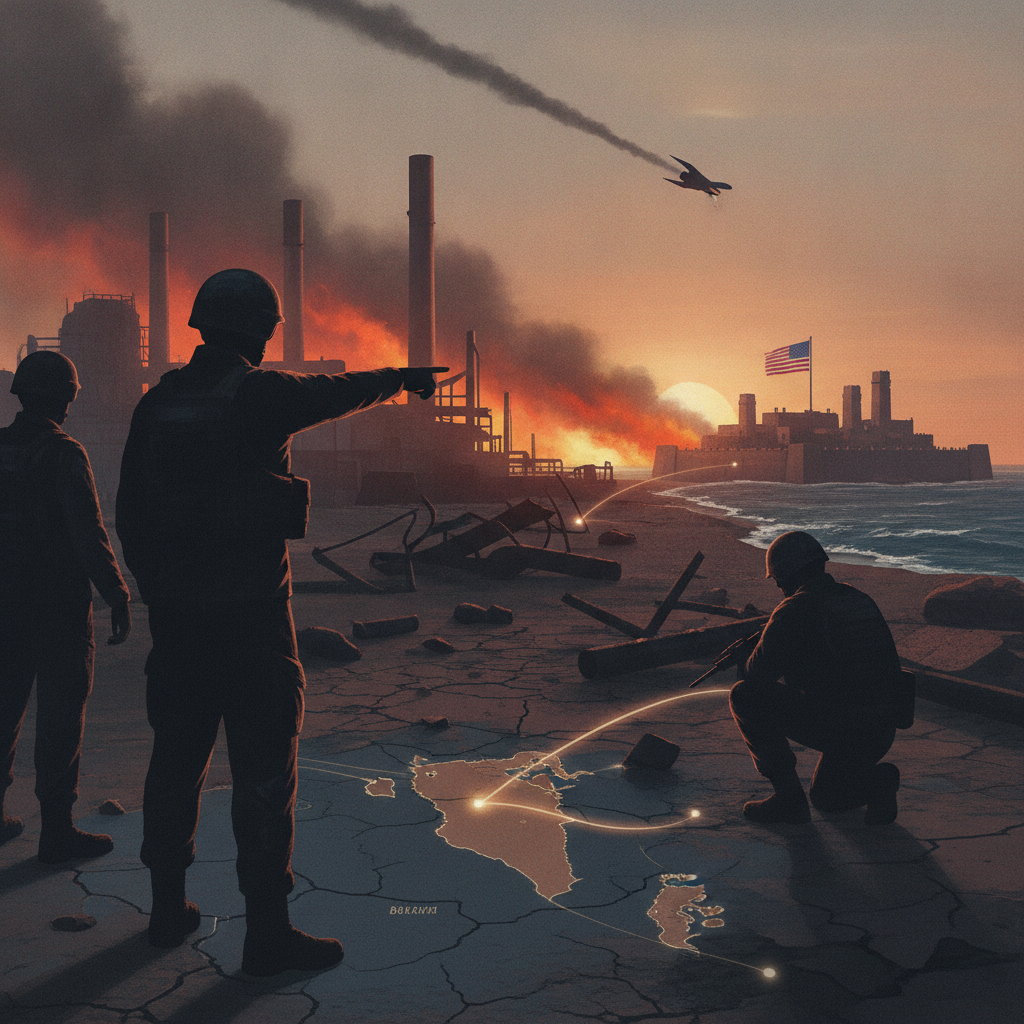
NewsWK — Tensions across the Persian Gulf escalated rapidly on Saturday, November 21, 2026. Specifically, an offensive operation targeted strategic positions in Bahrain. Iranian forces launched aerial strikes toward the island nation. Consequently, these attacks put U.S. military installations on high alert and damaged civilian infrastructure.
How Did the Iran Missile Drone Attack Bahrain Target Infrastructure?
Air defense systems in Bahrain intercepted multiple incoming threats on Saturday, November 21, 2026. This defense occurred after Iranian forces launched a strike package against regional targets. However, one attack hit a civilian industrial facility. The strike ignited a major fire, injured two workers, and sent residents into emergency shelters.
Bahraini emergency services rushed to contain the industrial blaze. Meanwhile, air raid sirens sounded throughout nearby residential areas. The Interior Ministry confirmed that two people suffered injuries during the attack. A Bahraini citizen remained in stable condition.
Additionally, defensive missile batteries engaged several inbound targets over the island nation. However, falling shrapnel from those successful aerial interceptions caused material property damage across surrounding sectors. Authorities initially issued an all-clear directive to citizens. Soon after, secondary warnings followed as military personnel monitored additional air activity. Fortunately, officials confirmed no fatalities occurred during the immediate strikes.
What Is the Strategic Context Behind Attacks on US Military Bases in Bahrain?
Bahrain hosts critical strategic assets for the American military. These include the U.S. Navy’s Fifth Fleet and key installations at Al-Riffa and Awali. Iranian state forces targeted these locations directly.
The kingdom serves as a primary hub for American maritime operations throughout the Middle East. Therefore, any escalation involving regional adversaries places positioned troops near potential combat zones. Furthermore, the recent strikes follow a broader pattern of confrontation. This conflict intensified after U.S. and Israeli forces conducted targeted actions against Iranian sites earlier in 2026.
How Do Bahrain US Ties Iran Conflict Scenarios Impact Defense Strategy?
Strong security partnerships between Washington and Manama place Bahrain on the front lines of Middle Eastern conflict. Consequently, Iranian military commanders frequently view host nations as direct extensions of American combat power. This view creates high operational risks for stationed service members, support personnel, and local infrastructure during regional counter-strikes.
Following the assault, Iran’s Islamic Revolutionary Guard Corps publicly claimed responsibility for the operation. In addition, IRGC representatives declared that their forces executed a combined missile and drone offensive against U.S. positions. Specifically, Iranian military statements claimed that strikes hit two Patriot missile defense radar stations. These targeted stations sit at the Al-Riffa and Awali installations.
U.S. Central Command has not independently confirmed damage to American radar equipment or military casualties. Still, the direct targeting of allied territory underscores the growing danger to forward-deployed troops.
What Does the Iranian Escalation Mean for American Forces and Regional Defense?
Escalating strikes across the Gulf threaten vital maritime trade routes and energy supplies. They also challenge military readiness for thousands of deployed U.S. troops. Therefore, defense commanders must balance force protection with deterrence. Meanwhile, host nations face infrastructure damage and rising security costs to safeguard civilian populations against missile threats.
Defense readiness remains a top priority for American leadership. This focus grows as hostile drone and missile technology spreads across the region. Consequently, the security partnership between the United States and Gulf partners relies on robust missile defense shields. It also depends on rapid intelligence sharing and joint readiness drills.
Key developments from the recent security crisis include:
- Civil defense teams successfully contained the fire at the hit industrial site without further casualties.
- Bahraini air defense batteries successfully intercepted multiple incoming aerial weapons, preventing widespread destruction.
- Regional energy infrastructure and commercial maritime routes face heightened risk assessments from military monitors.
Hostile forces continue to challenge American security guarantees. As a result, military leaders face growing pressure to bolster regional base defenses. Ultimately, protecting critical supply lines and civilian host communities will require tight coordination. U.S. forces and Gulf allies must work together closely in the days ahead.
This article was produced with the assistance of AI and reviewed by our editorial team.
Related: U.S. House Advances National Defense Authorization Act for Fiscal Year 2027
Related: Jensen Huang Reinstated Nvidia CEO Following Board Vote and Federal Consultation