California
Local Communities Reinstate Summer Teen Curfews Ahead of July Fourth Celebrations
As the July Fourth holiday approaches, several local communities across the United States are reinstating juvenile curfews and increasing police presence in response to a rise in large gatherings of teenagers, often organized through social media. Cities in states such…

Last updated:
Key points
- Local cities are reinstating teen curfews as July Fourth celebrations approach.
- Programs like Tampa’s “Stay & Play” aim to offer safe alternatives to curfews.
- Critics express concerns over curfews potentially leading to disproportionate police interactions with youth.
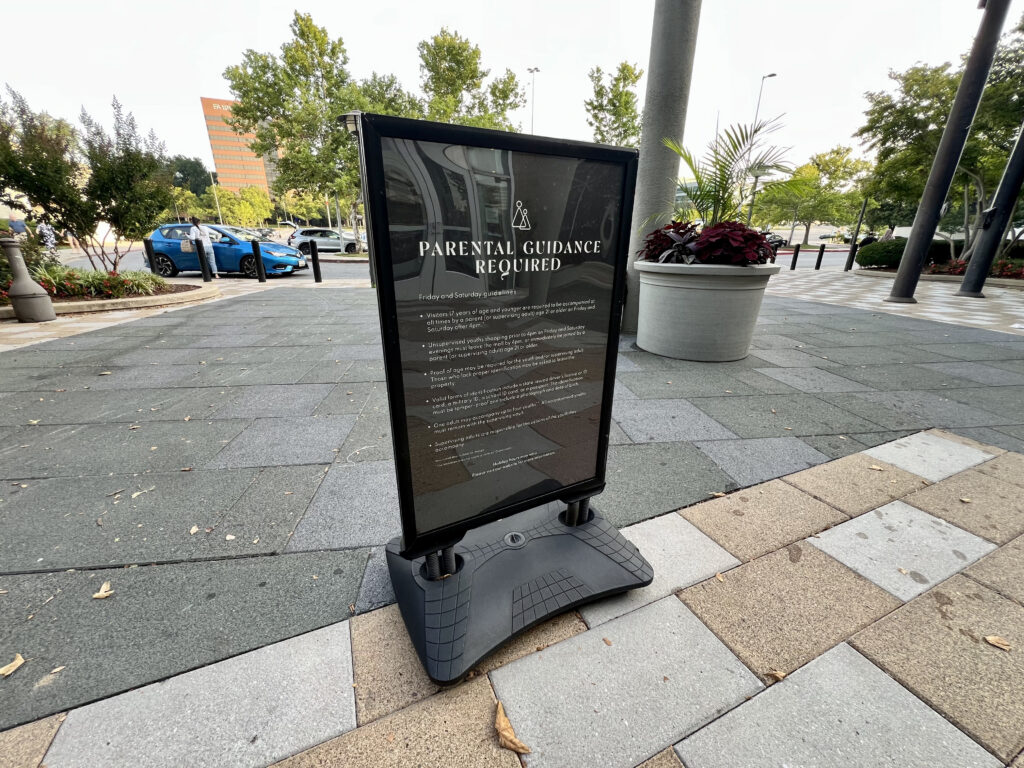
NewsWK — As the July Fourth holiday approaches, several local communities across the United States are reinstating juvenile curfews and increasing police presence in response to a rise in large gatherings of teenagers, often organized through social media. Cities in states such as California, Florida, Maryland, North Carolina, South Carolina, and Virginia have either implemented or expanded curfews for minors this year, particularly in areas known for entertainment and shopping where officials report an increase in disturbances referred to as “teen takeovers.”
For instance, in Laurel, Maryland, a summer curfew was introduced in June, part of Mayor Keith R. Sydnor’s initiative to enhance youth safety while promoting recreational activities. “This curfew is one part of a broader effort to keep our youth safe, strengthen families, and ensure our community remains a safe and welcoming place for everyone,” stated Mayor Sydnor.
Enforcement and Debate Surrounding Teen Curfew Laws
In Washington, D.C., authorities have escalated measures, warning that parents could face legal action if their children repeatedly violate curfew laws, as part of a wider crackdown on youth-related incidents in busy commercial areas. However, research indicates that youth curfews may not substantially reduce crime or victimization rates. Critics argue that such policies may lead to unnecessary police interactions with youth, disproportionately affecting minority communities.
Providing Alternatives to a City Curfew for Minors
As cities prepare for a busy holiday weekend, with numerous events celebrating the nation’s 250th anniversary, security measures are being heightened. In Tampa, Florida, city officials have introduced a free weekend program called “Stay & Play,” which offers recreational activities, meals, and mentoring for teens, aiming to provide positive alternatives to curfews. Similarly, Baltimore has extended late-night programming at community centers to offer supervised spaces for youth to gather.
City leaders emphasize that these initiatives complement curfews, addressing the challenges teenagers face in finding safe, accessible places to socialize, especially as traditional community spaces decline. Some youth advocates caution that policies restricting minors in commercial areas can unintentionally penalize all young people for the actions of a few, further limiting safe public spaces for teens.
Based on reporting by Amanda Watford originally published by Stateline. Read the original story.
Related: Protecting Communities from Data Center Impacts Act Introduced to Regulate Facilities
Related: Sanctuary Policies Block Federal Jail Transfers as ICE Ramps Up Enforcement Across U.S. Communities
Related: Congress Receives New Legislation Aimed at Local Health Care Protection
Related: Study Warns of Rising Water Costs Climate Change Could Inflict on US Cities
See a typo? Report it here.