National News
Senate Bill Introduced to Abolish Federal Insurance Office and Restore State Oversight
Content Files PDF XML TEXT Metadata download Descriptive Metadata (MODS) Preservation Metadata (PREMIS) All Content and Metadata files, including granules ZIP

Key points
Senate Bill 5158
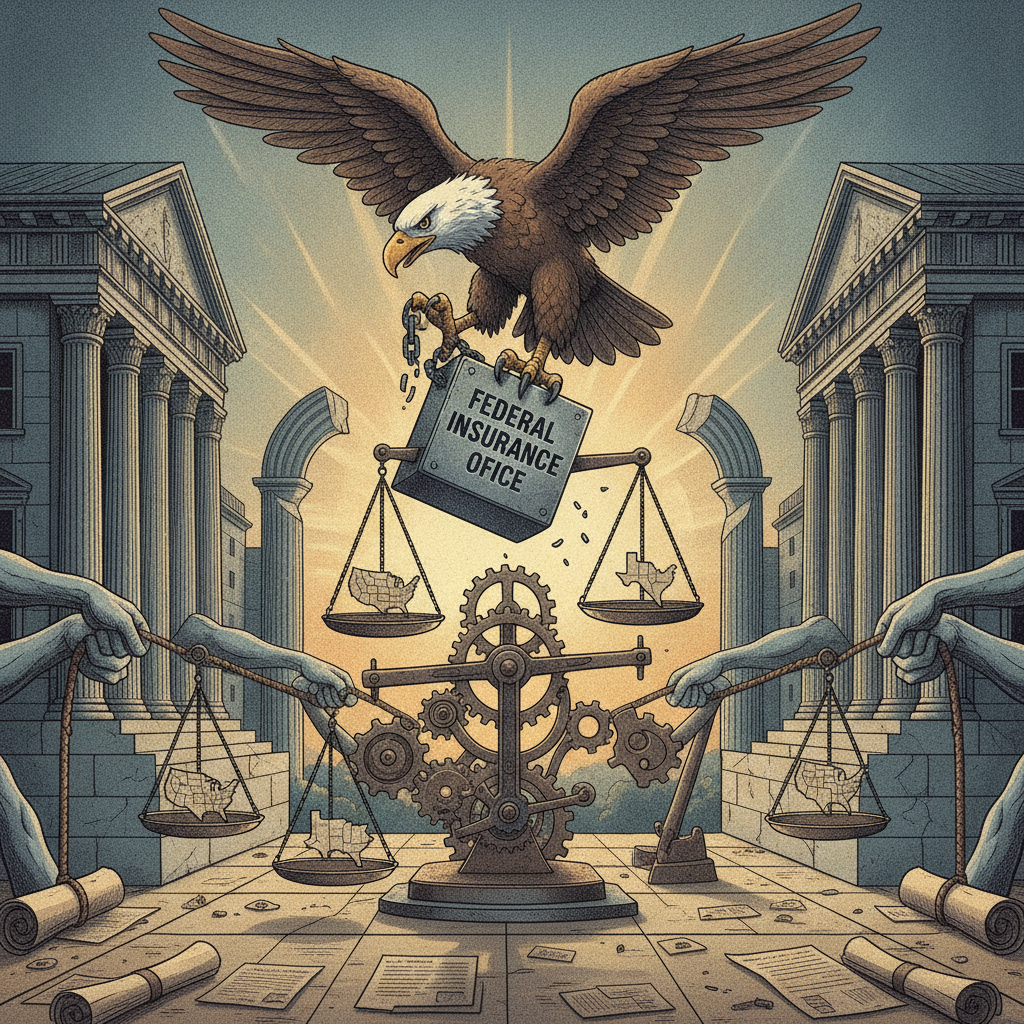
- Senate Bill 5158 proposes the complete dissolution of the Federal Insurance Office.
- The bill seeks to eliminate redundant federal oversight and return full regulatory authority to state insurance commissioners.
- Supporters contend the measure reduces government waste and protects state-level regulatory traditions.
NewsWK — Federal lawmakers have introduced new legislation in the United States Senate aimed at eliminating the Federal Insurance Office (FIO), a move designed to reduce federal regulatory duplication and reinforce state-level oversight of the insurance sector.
Legislative Proposal Targets Federal Regulatory Agency
Senate Bill 5158, officially titled the Federal Insurance Office Abolishment Act of 2026, seeks to completely dissolve the federal oversight office originally created under the Dodd-Frank Act. According to federal legislative records, the bill proposes ending the federal government’s authority to monitor and collect data on the domestic insurance industry.
Proponents of dismantling the office argue that insurance regulation has traditionally been managed effectively at the state level. Opponents of federal insurance oversight contend that the FIO creates redundant administrative layers that burden businesses and taxpayers without offering tangible consumer protections beyond what state regulators already provide.
Focus on State Authority and Bureaucratic Reform
If passed, S. 5158 would restore full regulatory authority to individual state insurance commissioners, ensuring that policy decisions remain closer to local communities and local economic conditions. Supporters emphasize that state-based systems allow for greater responsiveness to regional market needs while limiting federal bureaucratic expansion.
Based on reporting originally published by GovInfo (U.S. GPO). Read the original story.
Senate Bill 5158 coverage on NewsWK includes background, context, and related reporting for readers following this story.
NewsWK publishes local and national news with clear headlines, source context, and follow-up when developments change. This article is part of ongoing coverage intended to help readers stay informed.
For more on Senate Bill 5158, browse related NewsWK stories and check back for updates as new information becomes available.
Our editors review developing stories and update articles when material facts change, so readers can rely on NewsWK for clear, timely reporting.
See a typo? Report it here.