National News
Congress Considers the Biosecurity Modernization and Innovation Act to Bolster National Defense and Oversight
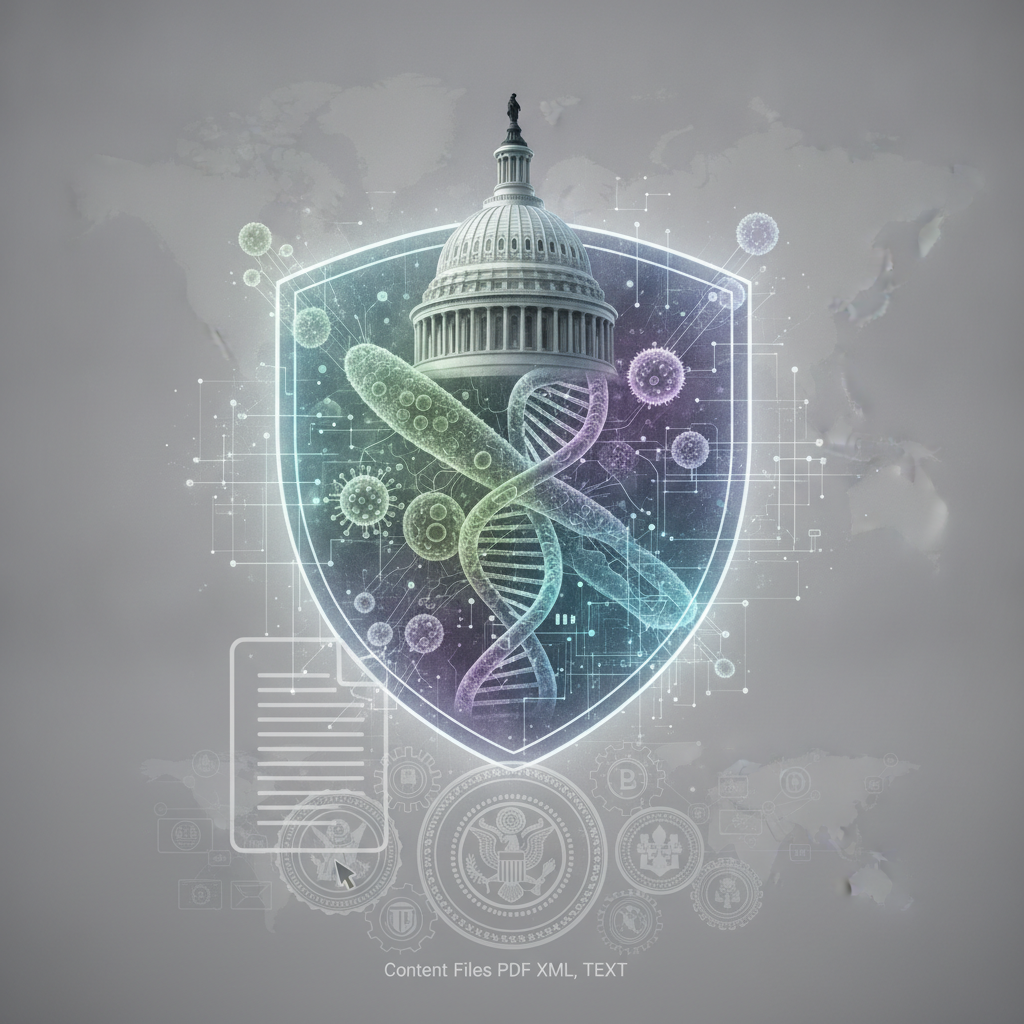
Content Files PDF XML TEXT Metadata download Descriptive Metadata (MODS) Preservation Metadata (PREMIS) All Content and Metadata files, including granules ZIP

Last updated:
Key points
- H.R. 10197, titled the Biosecurity Modernization and Innovation Act, has been introduced in the U.S. House of Representatives to modernize national biological defenses.
- The proposed legislation focuses on improving early-warning biological detection, upgrading laboratory oversight, and safeguarding critical domestic supply chains.
- The bill has been referred to congressional committees for detailed evaluation of its regulatory requirements, agency coordination, and fiscal impact.
NewsWK — Federal lawmakers are weighing new measures to overhaul the nation’s biological defense infrastructure as legislation titled the Biosecurity Modernization and Innovation Act moves through the legislative process in the United States House of Representatives. Introduced under bill number HR 10197, the proposal seeks to modernize government protocols, enhance surveillance against biological threats, and foster public-private technological innovation across the domestic bio-economy.
As emerging technologies accelerate biological research capabilities worldwide, federal lawmakers have increasingly focused on protecting the American public against foreign biosecurity threats, lab-borne risks, and biological supply chain vulnerabilities. The measure reflects growing congressional momentum to establish clear oversight standards while ensuring that American research institutions remain globally competitive.
Why it matters here
For communities across the United States, biological preparedness directly influences public health readiness, local research funding, agricultural stability, and economic resilience. Modern biological risks encompass not only naturally occurring infectious diseases but also synthetic biological hazards, food-supply contamination, and potential laboratory security failures. Strengthened federal standards provide critical backstops that protect local communities, agricultural centers, and domestic supply networks from external disruptions.
Moreover, modernizing biosecurity frameworks has a direct bearing on university laboratories, regional medical centers, and biotechnology startups. Clear, transparent federal guidelines can reduce regulatory ambiguity for domestic innovators while holding institutions strictly accountable for biosafety protocols, taxpayer-funded research oversight, and pathogen security.
Key Objectives of Federal Biosecurity Legislation
The introduction of federal biosecurity legislation on Capitol Hill comes amid extensive congressional scrutiny regarding biological research safety, foreign adversary capabilities, and government agency coordination. Key areas addressed within congressional discussions surrounding the measure include:
- Infrastructure and Early Warning Systems: Modernizing detection technology, sensor networks, and data-sharing systems across federal, state, and local agencies to identify novel biological anomalies before they escalate.
- Laboratory Safety and Dual-Use Research Oversight: Upgrading security protocols and federal accountability standards for facilities handling high-consequence pathogens and dual-use biological materials.
- Strengthening the Domestic Bio-Economy: Encouraging domestic manufacturing of essential biological countermeasures, protective equipment, and diagnostic tools to reduce dependence on foreign supply chains.
- Safeguarding Sensitive Scientific Data: Protecting American intellectual property and genetic sequence databases from cyber espionage and unauthorized foreign access.
How HR 10197 Targets Emerging Biological Threats
Under the provisions laid out in discussions on HR 10197, lawmakers aim to address critical gaps that have historically slowed federal responses to biological hazards. The rapid advancement of artificial intelligence, automated synthesis equipment, and genetic engineering has significantly lowered the barriers to modifying biological agents, prompting calls for updated statutory frameworks.
The bill focuses on fostering collaboration between federal national security agencies, scientific research entities, and the private technology sector to develop robust defenses, including rapid-response medical countermeasures and high-throughput diagnostic tools. By establishing proactive risk-assessment standards, the legislation aims to give national defense planners and public health officials the tools required to mitigate threats well before they reach American soil.
Background and Congressional Review Process
In recent legislative sessions, lawmakers on both sides of the aisle have examined the systemic vulnerabilities exposed by global health crises and international biosecurity concerns. Bipartisan congressional commissions and defense analysts have repeatedly warned that the United States requires an agile, modern biosecurity apparatus capable of anticipating unconventional threats in an era of rapid technological disruption.
As with all measures introduced in the House, the bill must now undergo formal review by designated congressional committees. Lawmakers will examine the specific fiscal allocations, regulatory impact on private businesses and universities, and inter-agency coordination mechanisms before determining whether to advance the legislation to the House floor for a full vote. Observers note that accountability, cost transparency, and regulatory precision will remain central themes as committee members evaluate the statutory scope of the proposal.
This article was produced with the assistance of AI and reviewed by our editorial team.
Sources
Related: Sanctuary Policies Block Federal Jail Transfers as ICE Ramps Up Enforcement Across U.S. Communities
Related: Congress Receives New Legislation Aimed at Local Health Care Protection
See a typo? Report it here.