
Arkansas
Missouri Abortion Ban Miscarriage Care Challenges Highlighted by Patient’s Story
Mylissa McNeill, a resident of Joplin, Missouri, faced an unexpected health crisis following her miscarriage in August 2022. Just a month after the U.S. Supreme Court’s decision to overturn Roe v. Wade, McNeill’s pregnancy ended, setting off a series of…

Last updated:
Key points
- Mylissa McNeill’s miscarriage experience reflects ongoing confusion in miscarriage management amid strict abortion laws in Missouri.
- Delayed care has led to severe health issues and financial struggles for McNeill, who has accumulated substantial medical debt.
- Efforts to clarify medical exceptions in abortion bans have not fully resolved the challenges faced by patients and healthcare providers.
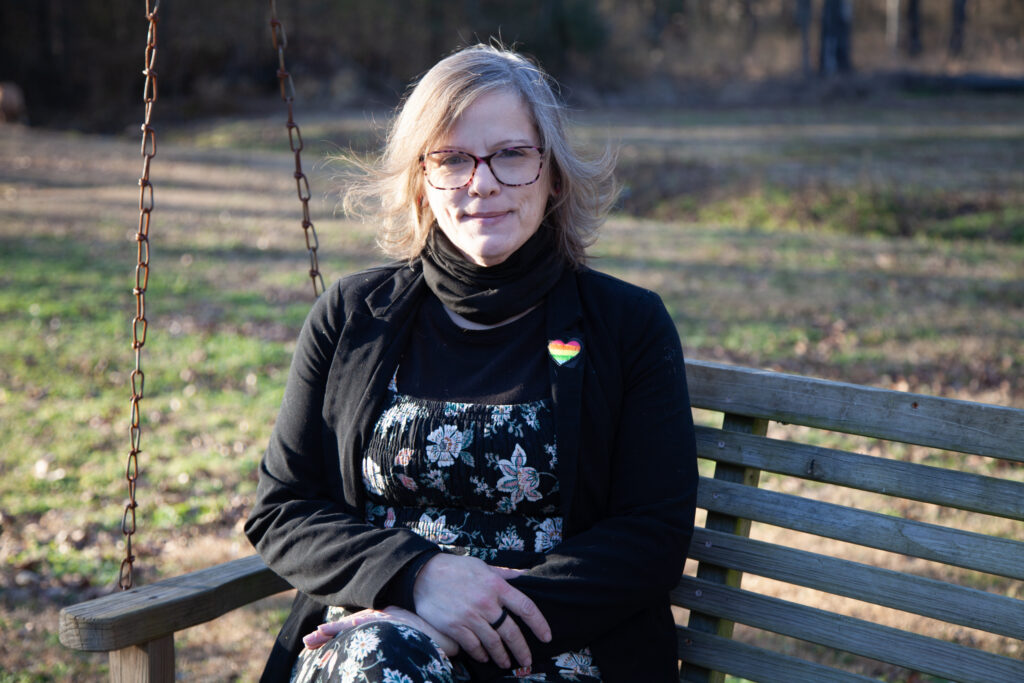
NewsWK — Mylissa McNeill, a resident of Joplin, Missouri, faced an unexpected health crisis following her miscarriage in August 2022. Just a month after the U.S. Supreme Court’s decision to overturn Roe v. Wade, McNeill’s pregnancy ended, setting off a series of health complications that she attributes to delays in medical care amid changing abortion laws.
At the time of her miscarriage, Missouri had enacted strict abortion bans, which complicated the provision of care for miscarriages. Although the law allowed for exceptions in cases of medical emergencies, McNeill’s experience illustrates the confusion surrounding these provisions that can deter timely medical interventions.
Challenges with Miscarriage Care in Missouri
“The delay is what really upset me, because women have died with less time than I had,” McNeill stated. She ultimately received the necessary treatment at a hospital in Illinois after experiencing three days of complications. Following her miscarriage, she developed severe health issues and accruing medical debt, leading to a difficult financial situation for her and her family.
Research indicates that since the Dobbs ruling, many states with abortion bans have shifted toward a more cautious approach to miscarriage management, often resulting in delayed care. Despite efforts by some states to clarify medical exceptions, confusion persists among healthcare providers and patients alike.
Uncertainty Surrounding Missouri Abortion Law Medical Exceptions
Advocates for anti-abortion legislation argue that existing laws do not prevent necessary medical treatment for miscarriage. Gavin Oxley, a spokesperson for Americans United for Life, emphasized that the organization has been clear that life-saving care for women should be available, irrespective of abortion laws. However, some medical professionals contend that ambiguity in these laws has led to a reticence in providing timely care.
Dr. Susan Bane, an OB-GYN from North Carolina, criticized the narrative that blames abortion bans for the denial of care, asserting that medical professionals should be able to navigate these situations without endangering patients. Nonetheless, Molly Meegan from the American College of Obstetricians and Gynecologists highlighted that legislation cannot address the complexities of every medical situation that arises in pregnancy.
McNeill’s ongoing struggle with her health and financial burdens underscores the significant impact that legal and medical frameworks can have on women’s healthcare. Having moved to Arkansas and Kansas in search of better opportunities, she continues to face challenges associated with her medical condition and past experiences.
Based on reporting by Sofia Resnick originally published by Stateline. Read the original story.
Related: Congress Receives New Legislation Aimed at Local Health Care Protection
Related: Florida Abortion Laws, Miscarriage Care, and the Impact on Local Health Services
Related: 4 years after Dobbs, advocates clash over how far to take fight for later abortion access
Related: LGBTQ Healthcare Survey Highlights How Economic Factors and Insurance Gaps Impact Medical Care
Related: New State Medical Debt Relief Laws Aim to Alleviate Patient Burdens
Related: Abortion Medication Laws Take Effect Today in Three States
Related: Healthcare affordability survey finds nearly half of adults struggled to pay for care
Related: Measure Honoring National Clinical Nurse Specialist Week Introduced in Congress
See a typo? Report it here.