
National News
Food for Thought Act of 2026 Reaches House as Federal Lawmakers Review New Proposal
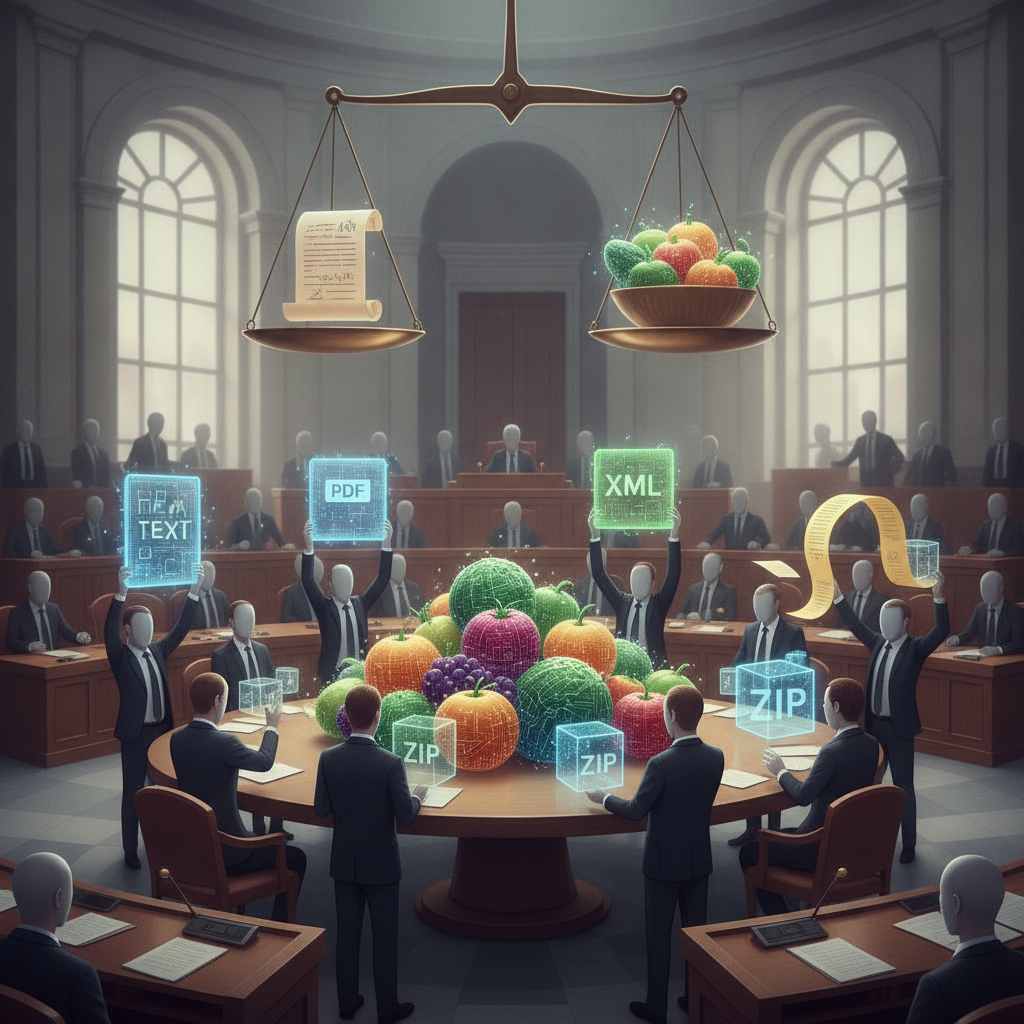
Content Files PDF XML TEXT Metadata download Descriptive Metadata (MODS) Preservation Metadata (PREMIS) All Content and Metadata files, including granules ZIP

Last updated:
Key points
- Lawmakers introduced the Food for Thought Act of 2026 in the U.S. House of Representatives as H.R. 10415.
- Official metadata records show the bill has been cataloged by the Government Publishing Office as it begins the standard federal committee review process.
- Taxpayers and policy analysts await the release of full statutory text to assess potential fiscal impacts, regulatory scope, and funding mechanisms.
NewsWK — Federal lawmakers have officially received a new legislative proposal known as the Food for Thought Act of 2026. Official congressional publishing records show the measure entered the House of Representatives under designation H.R. 10415. In addition, congressional staff published the introductory filing files through the Government Publishing Office digital repository.
The measure now enters the formal federal pipeline. American taxpayers and families track federal legislative dockets closely. Indeed, new statutory proposals can alter agency spending, community programs, and federal regulatory scope. While officials have not yet released the full line-by-line statutory text, the title indicates a direct focus on nutrition, food policy, or educational food initiatives.
Why it matters
Congressional actions directly affect family budgets, community organizations, and federal spending priorities across the United States. When lawmakers introduce food measures, taxpayers look closely at potential program costs and administrative mandates. Consequently, federal programs often shape local supply chains, school operations, and public assistance programs in every congressional district.
Fiscal stewardship remains a major concern for millions of working households. For example, federal food and nutrition programs require substantial annual appropriations from the public treasury. Therefore, citizens scrutinize new bills early. This review helps them gauge potential impacts on the national deficit and local economic autonomy.
What is the Food for Thought Act of 2026?
The Food for Thought Act of 2026 represents a formal legislative filing in the United States House of Representatives. Lawmakers recorded the measure as H.R. 10415 in official government directories. As a result, the filing establishes a new legislative record that committee leaders must formally examine before any floor debate begins.
Government indexers cataloged the measure in its introduced form. However, congressional records currently list initial metadata and content files while detailed section prints undergo routine technical processing. Furthermore, bill summaries often follow after formal committee referral because legislative drafting offices handle thousands of filings each session.
Still, legislative filings carry specific institutional steps:
- Lawmakers assign the measure an official bill number for tracking.
- The House Clerk transmits copies to the Government Publishing Office.
- The Speaker refers the proposal to the appropriate committee of jurisdiction.
- Committee staff evaluate fiscal impacts and constitutional authority.
How does the HR 10415 bill move through Congress?
The HR 10415 bill must clear multiple hurdles before it can reach the desk of the president. First, House leaders assign the measure to a standing committee with relevant jurisdiction. Then, the committee reviews the text, holds hearings if members demand inquiry, and determines whether the measure advances to a full chamber vote.
Most bills face rigorous scrutiny at the committee stage. In fact, committees decline to advance the vast majority of introduced measures. Members examine statutory clarity, fiscal burdens, and potential regulatory expansion. Also, lawmakers assess whether existing state programs or private initiatives already address the matter adequately without federal intervention.
Next, if a committee approves the draft, floor leaders schedule the text for chamber debate. Then, representatives can offer amendments to strike, refine, or expand specific provisions. Finally, if the House passes the bill, the measure heads to the Senate. Senate rules require matching text before any bill can reach the executive branch.
What comes next for the Food for Thought Act legislation?
Lawmakers and fiscal analysts await the public release of full text for the Food for Thought Act legislation. Once text printers release specific provisions, policy groups will analyze funding mechanisms and regulatory rules. Meanwhile, civic observers can inspect the congressional database to trace bill co-sponsors, committee assignments, and scheduled hearing calendars.
Accountability advocates emphasize that transparency remains vital during the early stages of federal lawmaking. Specifically, citizens must verify whether proposals introduce unfunded mandates or expand administrative bureaucracy. Therefore, taxpayers across every state monitor these initial steps to hold their elected representatives accountable to fiscal discipline.
What should taxpayers watch as details emerge?
Taxpayers should watch specific funding authorizations and statutory definitions once the House committee takes up the measure. In particular, future updates will reveal whether the proposal seeks new appropriations or repurposes existing federal resources. Interested citizens can monitor progress directly through the official federal repository and official congressional records.
Furthermore, local leaders watch federal food measures to safeguard community flexibility. Blanket national policies sometimes complicate local school district decisions or burden local agricultural providers. Because of these stakes, public tracking of H.R. 10415 will intensify once committee staff publish the complete statutory language in the days ahead.
This article was produced with the assistance of AI and reviewed by our editorial team.
Sources
Related: House Resolution 1499 Clears Way for Critical Votes on Mining, Higher Education, and Maritime Rules
Related: Study Examines Women on Parole Mental Health and Reentry Crises Across the US
See a typo? Report it here.