California
Surging Human Bear Conflicts Force States to Increase Euthanizations and Tougher Fines
Bears are having a very bad year. Across much of the United States, a warm winter and persistent drought have decimated the natural foods that black and brown bears rely on. With nearly every station at the buffet in short…

Key points
- Severe drought and unusual weather patterns destroyed natural backcountry food sources, driving record numbers of bears into suburban neighborhoods.
- Multiple states reported record euthanizations as wildlife officers struggled with structural break-ins and property damage.
- Lawmakers in states like Colorado and North Carolina are enacting tougher fines and criminal penalties for residents who leave out trash and food attractants.
NewsWK — State wildlife officials across the United States face unprecedented challenges this year. Specifically, wildlife encounters have reached historic levels. Severe weather conditions and natural food shortages have pushed hungry bears directly into suburban yards and rural neighborhoods. Consequently, public safety agency staff are working around the clock to respond to property damage and public safety calls.
How does the surge in human bear conflicts impact local property owners?
Rising human bear conflicts threaten public safety and create costly financial burdens for homeowners across multiple states. Hungry bears frequently break into vehicles and destroy wooden chicken coops. They also smash screen doors and overturn trash dumpsters. Consequently, residents must buy secure storage and electric fencing or face steep fines under new state rules.
Across the country, homeowners are experiencing direct financial damage from foraging animals. In California, state wildlife researchers found that roughly half of all reported property damage incidents involved chicken coops. Meanwhile, homeowners in Eastern states like North Carolina report repeated home break-ins. State wildlife officials recorded 115 structural break-ins in North Carolina since 2023. Notably, 74 of those incidents occurred in just the last five months.
Additionally, local public safety officers are struggling under heavy workloads. Field officers often work 18-hour days for weeks at a time to manage neighborhood reports. These demands place immense stress on state resources and agency budgets. Therefore, officials urge property owners to take personal responsibility. Homeowners must secure their premises before issues escalate.
Why do bears enter residential areas during severe food shortages?
Bears enter residential areas primarily when natural backcountry food sources fail completely. Unusually warm winters, early spring vegetation cycles, and late seasonal frosts wiped out wild berry crops. This damage spanned across the Rocky Mountains and the West. Consequently, desperate animals travel down into populated valley bottoms searching for calories.
Wildlife biologists note that environmental conditions created an exceptionally lean foraging season. In many Western regions, a warm winter caused vegetation to bloom weeks earlier than normal. However, most animals were still dormant during that early growth period. Subsequently, a late frost destroyed wild berry crops across several Mountain West states.
Because natural foods vanished, bears expanded their search radius. Valley bottoms naturally provide rich foraging. However, those same areas contain dense human settlements. In Montana, eight different bears entered the city of Missoula during a single night to search for food. Afterward, they spent the following day resting in trees while waiting for road traffic to clear. In addition, field biologists in several states report that young mothers are abandoning cubs. These mothers simply cannot produce enough milk. As a result, orphaned cubs wander into suburban neighborhoods without adult guidance.
How are wildlife agencies handling the bear euthanizations increase across the country?
Wildlife agencies across the nation report a dramatic bear euthanizations increase as habituated animals threaten public safety. When relocation efforts fail or animals cause severe property damage, state officers must destroy the habituated wildlife. Therefore, states now combine aggressive lethal removal policies with tougher legal penalties for residents who leave out food.
State statistics highlight the severity of the crisis. For instance, New Mexico officials and landowners reported killing 307 bears since April. That number marks a record high for the state. Similarly, Utah officers put down 70 bears this year, far exceeding their previous record of 24. In Tennessee, state wildlife managers euthanized 61 animals. By comparison, the state has a five-year average of just 20.
Relocation rarely solves the problem once an animal connects humans with easy meals. Game managers explain that relocated animals often trek dozens of miles back to human developments. Consequently, state wildlife divisions face a difficult choice. Officials must choose between humane euthanization or leaving animals to starve in depleted wilderness areas.
What role do bear attractants, garbage, and birdfeeders play in neighborhood incursions?
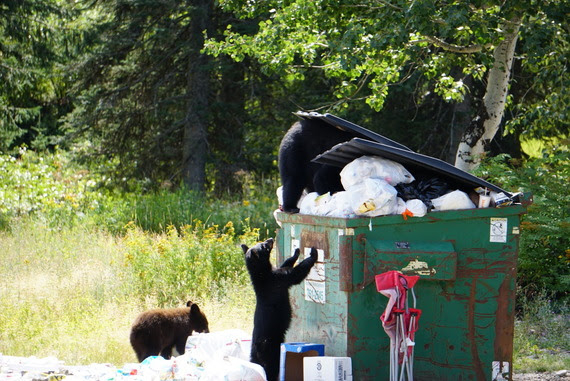
Unsecured bear attractants, garbage, and birdfeeders serve as the primary trigger for neighborhood break-ins and property damage. Once animals taste high-calorie human food, they abandon natural foraging habits. Instead, they return repeatedly to residential streets. Therefore, securing household waste and removing feeders remains the most effective defense for local communities.
Wildlife officers emphasize that human negligence drives most residential encounters. A single home leaving out open trash can habituate local animals across an entire neighborhood. In Durango, Colorado, field officers recently spotted four tagged bears in town. Biologists had tagged those mature 20-year-old animals in backcountry studies a decade earlier. Ultimately, severe food shortages drove even these experienced wilderness animals into municipal limits.
To combat this pattern, local and state authorities are implementing strict penalties. For example, North Carolina wildlife officials enacted an emergency rule in Buncombe County. This rule criminalizes negligent bear feeding. Consequently, local officers can now issue criminal charges rather than simple civil warnings. Similarly, education initiatives like BearWise recommend electric fencing and non-lethal deterrents to protect private property.
How is the Colorado Parks and Wildlife bear euthanizations policy changing enforcement?
The Colorado Parks and Wildlife bear euthanizations program relies on a strict two-strike policy for animals causing property damage. However, state lawmakers recently strengthened enforcement tools. These rules penalize residents who fail to secure household food sources. Ultimately, the updated statutes aim to hold careless property owners accountable before animals become habituated.
By late August, Colorado officers had euthanized 294 bears. That figure sits far above the typical annual range of 60 to 90 animals. In response to the crisis, state legislators passed new legislation increasing financial penalties for residents. Specifically, the updated law covers anyone who knowingly leaves out food sources. This new rule replaces the previous intentional standard.
Additionally, the new statute eliminates mandatory warnings for first-time offenders. It also establishes maximum fines of up to $5,000. Public information officer John Livingston noted that agency personnel face heavy mental tolls while enforcing these policies. Furthermore, Livingston explained that no officer enters wildlife management intending to destroy animals. Therefore, officials hope stricter fines will force residents to secure trash containers and eliminate attractants voluntarily.
This article was produced with the assistance of AI and reviewed by our editorial team.
Sources
Related: Democrats aim to emulate Republicans in building state power
Related: Sanctuary Policies Block Federal Jail Transfers as ICE Ramps Up Enforcement Across U.S. Communities
See a typo? Report it here.