
Environment
Idaho Wolf Population Declines as State Expands Hunting and Trapping Efforts
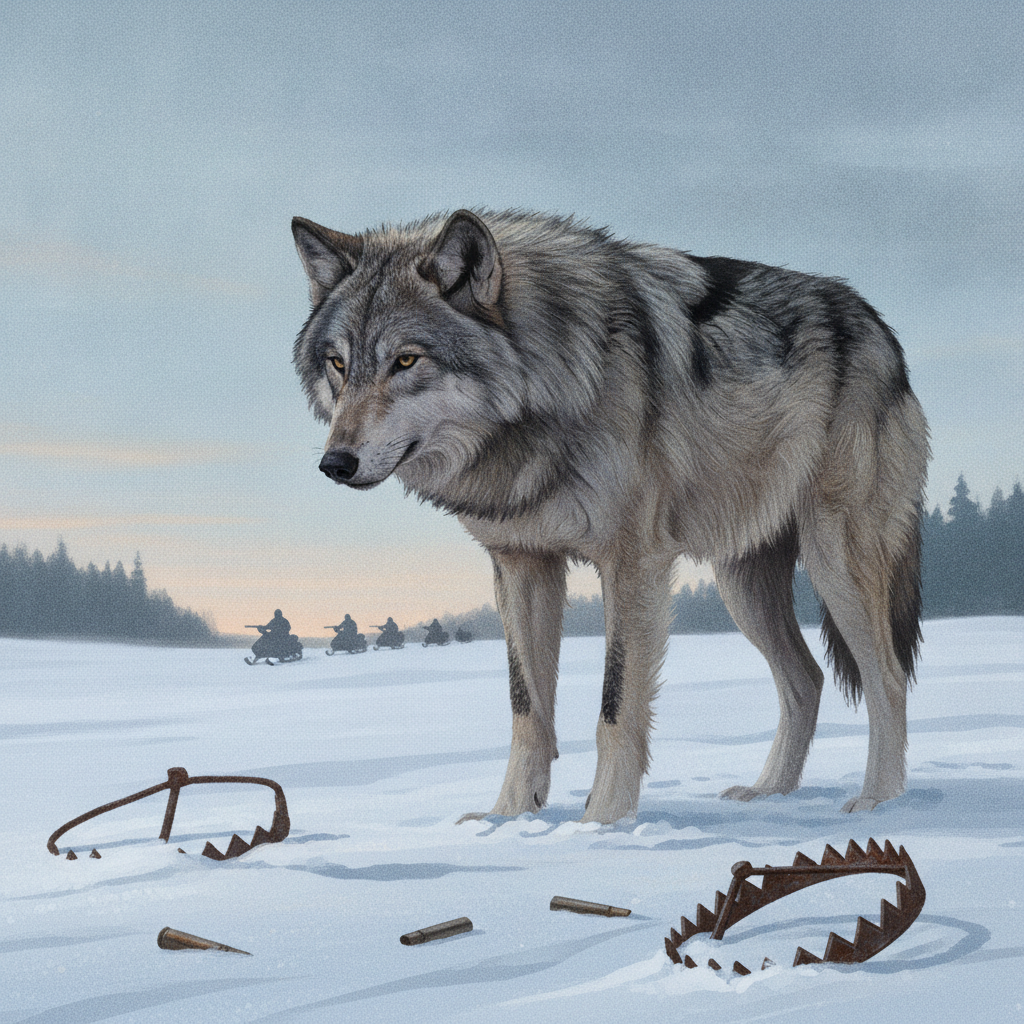
Idaho’s wolf population decreased to an estimated 1,129 animals in 2025 as state officials work to reduce the population through expanded hunting and trapping, Idaho Department of Fish and Game officials said this month. Statewide, the wolf population is down…

Last updated:
Key points
Idaho wolf population decline
- Idaho’s wolf population has decreased to approximately 1,129 as of May 2025.
- The state is actively reducing the population through expanded hunting and trapping measures.
- Concerns have been raised about the accuracy of wolf population estimates.
NewsWK — Idaho‘s wolf population has dropped to an estimated 1,129 as of May 2025, a decrease of 106 from the previous year, according to the Idaho Department of Fish and Game. This decline continues a trend observed since 2020, when the population was estimated to be over 1,650 wolves.
State officials attribute the decrease largely to aggressive hunting and trapping measures implemented over the past five years, which include expanded hunting seasons and methods for controlling wolf numbers. “Our wolf population is decreasing statewide, and that is very much an intentional effort by the department,” said Cory Mosby, Wildlife Program Coordinator, during a recent Fish and Game Commission meeting.
The Idaho government aims to further reduce the wolf population to around 500 animals, a goal that has sparked discussions among wildlife advocates concerned about the accuracy of population estimates. While the wolf population is decreasing, the number of livestock incidents involving wolves is also reportedly on the decline.
Historically, wolves were driven to the brink of extinction in Idaho and the Rocky Mountains by the 1930s. They were reintroduced in the mid-1990s, following significant legal battles, and were removed from the Endangered Species List in 2011, which allowed for regulated hunting and trapping.
In recent years, changes in estimating the wolf population have been implemented, including using genetic information from wolves killed in the state to provide more accurate estimates. This new method aims to produce estimates for May of the previous year, moving away from the prior reliance on trail camera data.
Based on reporting by Clark Corbin originally published by Stateline. Read the original story.
Idaho wolf population decline coverage on NewsWK includes background, context, and related reporting for readers following this story.
NewsWK publishes local and national news with clear headlines, source context, and follow-up when developments change. This article is part of ongoing coverage intended to help readers stay informed.
For more on Idaho wolf population decline, browse related NewsWK stories and check back for updates as new information becomes available.
Our editors review developing stories and update articles when material facts change, so readers can rely on NewsWK for clear, timely reporting.
See a typo? Report it here.