Alabama
Voters Approve Stricter Penalties and Bail Rules in Criminal Justice Ballot Measures 2026
Millions of voters in 11 states approved tougher criminal penalties and more bail restrictions in Tuesday’s midterm elections, while rejecting efforts to roll back marijuana legalization and expand cooperation with federal immigration authorities. The results reflected a mixed approach to…

Last updated:
Key points
- Voters across 11 states passed measures expanding judicial authority to deny bail for violent crimes, child exploitation, and terrorism.
- Colorado voters enacted tough new penalties for fentanyl trafficking under Proposition 132 and mandated life sentences without parole for child sex traffickers under Proposition 133.
- Attempts to dismantle licensed recreational marijuana markets in Massachusetts and block future drug initiatives in Idaho both failed at the ballot box.
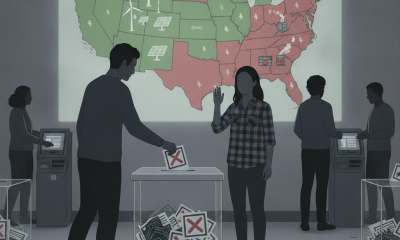
NewsWK — Voters across the United States sent a clear message during the November 2026 midterm elections. Citizens in multiple states backed decisive law enforcement tools and stricter pretrial detention rules. Additionally, they approved harsher sentences for serious crimes. However, voters showed nuance across the criminal justice ballot measures 2026. Specifically, they rejected broad marijuana rollbacks and select administrative mandates.
What Are the Key Crime Ballot Measures Election Results Across the Nation?
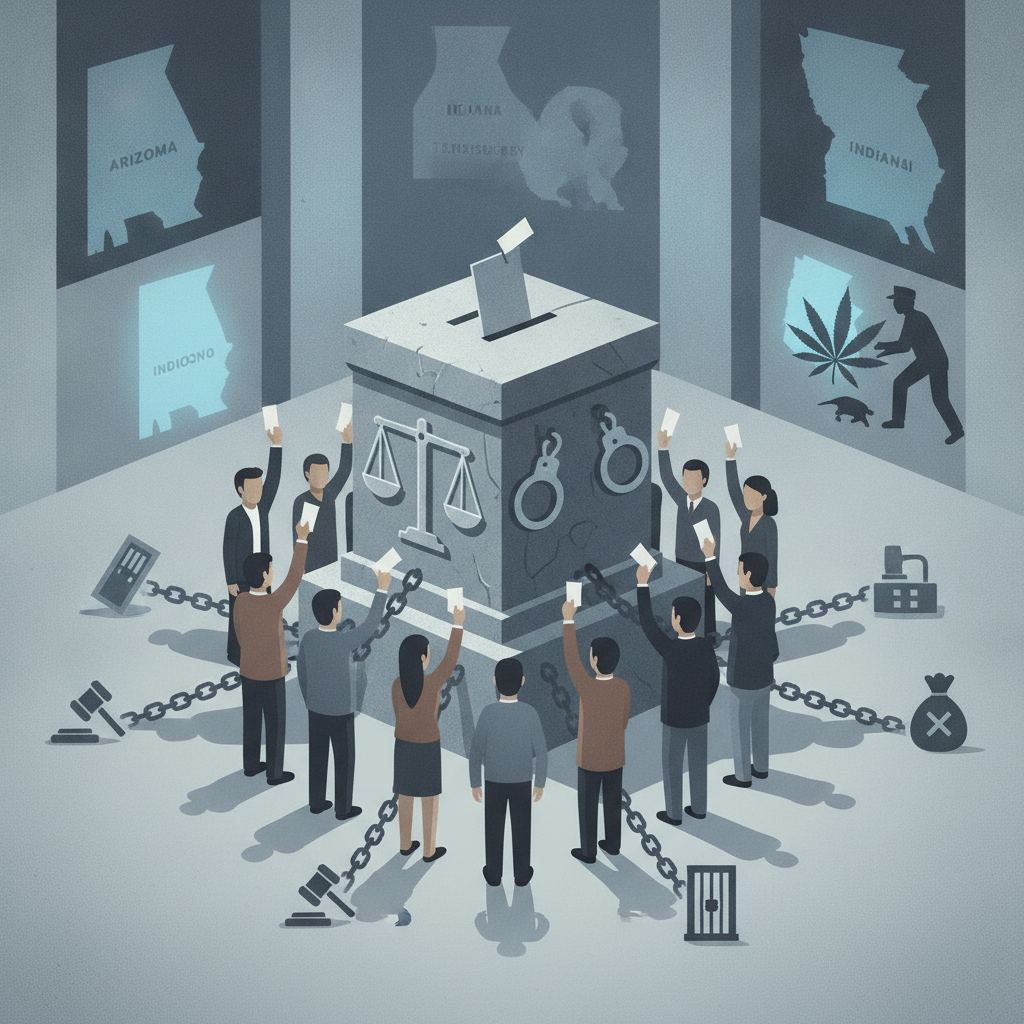
The crime ballot measures election results from November 2026 show strong public support for public safety and victim protections. 15 proposals across nine states targeted drug trafficking, violent crime, and judicial discretion. Consequently, majorities approved proposals that empower law enforcement. They also strengthened accountability across state justice systems.
Voters focused heavily on public safety measures. As a result, state leaders saw strong support for policies protecting communities from repeat offenders. For instance, voters targeted specific criminal activities like human trafficking and dangerous synthetic drugs. Meanwhile, citizens weighed proposals on executive pardon powers, voting access, and traffic monitoring systems. Overall, the outcome demonstrated a national emphasis on law and order.
How Will State Bail Restriction Amendments Impact Public Safety?
State bail restriction amendments passed in several states to grant judges greater authority over pretrial release. Specifically, Indiana, Louisiana, and Tennessee voters approved constitutional changes. These new rules keep dangerous individuals behind bars before trial. Ultimately, these amendments aim to prevent violent reoffending. They also protect local communities by closing loopholes in the bail process.
In Indiana, 59% of voters supported a constitutional measure allowing judges to deny bail. This rule applies when evidence of guilt is strong. Furthermore, the accused must pose a substantial risk to community safety. Therefore, courts gain essential discretion to keep high-risk suspects in custody.
Tennessee voters took similar action by expanding the list of non-bailable offenses. Now, judges can deny release for charges involving terrorism, second-degree murder, and child rape. Additionally, Tennessee passed an amendment guaranteeing crime victims the right to participate in legal proceedings. Consequently, victims will receive notice of hearings. They can also speak during release, sentencing, and parole decisions.
What Specific Offenses Now Trigger Denial of Bail in Tennessee and Louisiana?
Tennessee and Louisiana targeted specific high-severity crimes to curb pre-trial and post-conviction releases. First, Louisiana voters prohibited post-conviction bail, or appeal bonds, for individuals convicted of aggravated offenses against minors. Meanwhile, Tennessee expanded non-bailable offenses. The state now covers terrorism, second-degree murder, and aggravated child rape under these stricter rules.
Previously, appeal bonds allowed convicted felons to remain free while awaiting formal sentencing. Felons could also stay free while appealing their convictions. For people convicted of aggravated offenses against minors, this policy change ensures immediate detention following a guilty verdict for crimes against children.
Moreover, these state measures build on earlier actions taken across the country. For example, Alabama voters approved a similar bail restriction amendment in May. That measure also sought to prevent the release of violent offenders.
How Are States Addressing Fentanyl and Child Exploitation Crimes?
Voters approved tougher crime penalties in 2026 election initiatives aimed directly at violent predators and illicit drug dealers. For instance, Colorado residents overwhelmingly endorsed stiff penalties for child sex traffickers and fentanyl distributors. Furthermore, Arizona voters took bold steps. They voted to classify international drug cartels as official terrorist organizations under state law.
In Colorado, voters approved Proposition 133. This measure mandates life imprisonment without parole for human trafficking of a child for sexual servitude. Consequently, the measure ensures that child sex traffickers remain permanently behind bars.
Additionally, Arizona voters authorized state officials to designate drug cartels as terrorist organizations. Arizona also restricted the use of automated photo traffic enforcement systems like speed cameras. Meanwhile, Missouri voters narrowly passed a law enforcement amendment. It establishes elected sheriffs as chief law enforcement officers in most counties. At the same time, it limits arbitrary removal procedures.
However, voters did not approve every law enforcement proposal. For example, Colorado voters rejected Amendment 81. This measure would have mandated local police to notify federal authorities about undocumented immigrants charged with crimes.
Why Did Voters Support Colorado Fentanyl Penalties Proposition 132?
Voters supported Colorado fentanyl penalties Proposition 132 to combat the deadly synthetic opioid crisis devastating local communities. First, the proposition increases criminal penalties for fentanyl offenses. Simultaneously, It Establishes Mandatory Court-ordered treatment programs for drug possession. Furthermore, it alters how prosecutors apply the state’s habitual criminal laws to repeat offenders.
The passage of Proposition 132 gives law enforcement stronger legal mechanisms. At the same time, the law mandates treatment for individuals struggling with addiction. Thus, Colorado combines firm judicial consequences with structured rehabilitation paths for minor possession cases.
What Does the Rejection of Marijuana Rollbacks Mean for State Drug Laws?
Despite pushing for stricter criminal penalties, voters rejected efforts to roll back existing marijuana legalization frameworks. For example, Massachusetts voters soundly defeated a proposal to eliminate licensed recreational cannabis sales. Meanwhile, Idaho voters rejected a restrictive constitutional amendment. That measure aimed to block future citizen ballot initiatives on psychoactive substances.
In Massachusetts, opponents sought to repeal major portions of the state’s 2016 voter-approved cannabis market. Specifically, the failed measure would have banned commercial sales while permitting personal possession. However, voters elected to preserve the legal, regulated commercial market.
Similarly, Idaho voters turned down an amendment granting state lawmakers exclusive authority over drug legalization. The measure intended to restrict citizens’ power. It would have stopped them from using ballot initiatives to legalize marijuana or other substances.
Finally, voters addressed executive power and voting rights in other states. In Virginia, voters approved a constitutional amendment with 55% support. It automatically restores voting rights to felons after sentence completion. Conversely, Kentucky voters restricted executive authority. They banned gubernatorial pardons within 60 days before an election and five weeks after.
This article was produced with the assistance of AI and reviewed by our editorial team.
Sources
Related: Study Examines Women on Parole Mental Health and Reentry Crises Across the US
Related: State Tax Ballot Measures Election Results Show Voters Demand Fiscal Restraint
Related: Voters Approve Trans Sports Bans Ballot Measures in Four States
See a typo? Report it here.