Alabama
Does New Research Show Abortion Bans Health Insurance Costs Rising for Families?
New preliminary research from the University of Michigan shows women living in states with post-Dobbs abortion bans may be more likely to shoulder costs for employer-sponsored health insurance premiums, with federal data reflecting a 5.4% increase in annual premium expenditures…


Last updated:
Key points
- A preliminary study from the University of Michigan suggests a link between state-level abortion restrictions and higher employer-sponsored health insurance premiums for women.
- The study, which has not yet undergone peer review, was funded by the Center for Reproductive Rights, an advocacy group.
- Researchers hypothesize that insurance providers may pass the costs of increased pregnancy complications and live births onto female workers.
NewsWK — A new preliminary study links state restrictions on abortion to rising premium costs for female employees. Researchers suggest that insurers may pass higher maternity care expenses directly to workers. However, the study is not yet peer-reviewed. Also, a prominent advocacy group funded the research.
What Did the University of Michigan Abortion Study Find?
The University of Michigan abortion study analyzed federal data from the U.S. Census Bureau. It tracked women of reproductive age after 2022. The data showed a 5.4% increase in annual premium payments for women in states with strict bans. Meanwhile, premium costs for men in those same states did not show a similar increase.
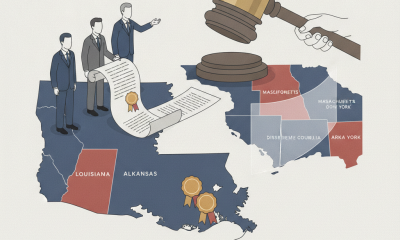
The researchers compared ten states with strict abortion bans to five states without them. The ban states included Alabama, Texas, and Tennessee. The non-ban states included Michigan, New York, and Massachusetts. They excluded states that expanded Medicaid during this period. This step helped isolate the impact of the bans from other policy shifts.
The study also noted higher premium increases for minority women. For example, premiums rose by 12.8% for Black women. They also rose by 13.7% for Hispanic women in those states. Most women in the study sample earned incomes above 250% of the federal poverty level. The study stated, “State abortion bans were associated with an increase in women’s likelihood of paying out-of-pocket for health insurance premiums.”
How Do Abortion Bans Health Insurance Costs Affect Working Families?
Rising insurance rates place a heavier financial burden on working families and employers. When insurance premiums increase, families have less disposable income for daily needs. Furthermore, businesses must decide how to handle these rising costs. Many employers may pass these expenses to workers, leading to higher out of pocket health insurance costs abortion bans.
For many American households, healthcare is already a major expense. If employers pass premium increases to workers, families must adjust their monthly budgets. Businesses also face difficult choices. They must either absorb the extra costs or risk losing workers by raising employee premium shares. Therefore, state-level legal changes can have broad economic ripple effects across the private sector.
Why Are Women Health Insurance Premiums Abortion Bans Diverging?
Researchers believe the divergence in women health insurance premiums abortion bans stems from increased pregnancy complications. When women carry more high-risk pregnancies to term, medical costs rise. Consequently, insurance providers adjust their rates to cover these expensive deliveries, neonatal intensive care admissions, and cesarean sections.
Maternity care is naturally expensive. Nationally, pregnancy and postpartum care average over $20,000. Out-of-pocket costs for women on employer plans average $2,743. When more pregnancies result in live births, overall system costs go up. Insurers then distribute these costs across their risk pools. This trend often results in higher premiums for female beneficiaries of childbearing age.
“What we see is, prior to the bans, the outcomes were looking comparable, and then after the bans were implemented, we see them diverge, with more women paying health insurance premiums in the ban states,” said Joelle Abramowitz, an economist and co-author of the study.
What Is the Background of This Insurance Study?
The U.S. Supreme Court overturned Roe v. Wade in 2022. This decision allowed states to set their own abortion laws. Since then, researchers have tried to measure the economic effects of these policy changes. This study represents one of the first attempts to link state laws directly to employer-sponsored insurance rates.
However, readers should consider the funding behind this research. The Center for Reproductive Rights financed the study. This group actively advocates for abortion access nationwide. Because of this connection, some policy analysts suggest waiting for peer review before drawing firm conclusions. Peer review helps verify the study’s methods and data.
Additionally, the study is still in its preliminary stages. It has not yet appeared in any peer-reviewed medical or economic journal. Peer review is the gold standard for scientific research. Without it, the findings remain tentative. The study relied on the Current Population Survey. This survey is a joint effort by the U.S. Census Bureau and the Bureau of Labor Statistics. It serves as a primary source for poverty and health insurance data in the United States.
This article was produced with the assistance of AI and reviewed by our editorial team.
Sources
Related: 4 years after Dobbs, advocates clash over how far to take fight for later abortion access
Related: State Mandates Expand Abortion Medication to College Campuses as Colorado Joins Wave
See a typo? Report it here.