
California
Federal Funding for 287g Agreements Immigration Enforcement Drives Surge in Local Police Partnerships
WASHINGTON — This summer, arrests of immigrants in the United States soared to the highest levels since President Donald Trump returned to office. An unprecedented increase in cooperation between local and state law enforcement and federal immigration officers through collaborations…

Last updated:
Key points
- Federal funding has accelerated local immigration partnerships from 135 to over 2,600 active agreements.
- The task force model has become the dominant method of cooperation, making up over 71% of active agreements.
- Twelve states currently reject these agreements, opting out of direct local participation in federal enforcement.
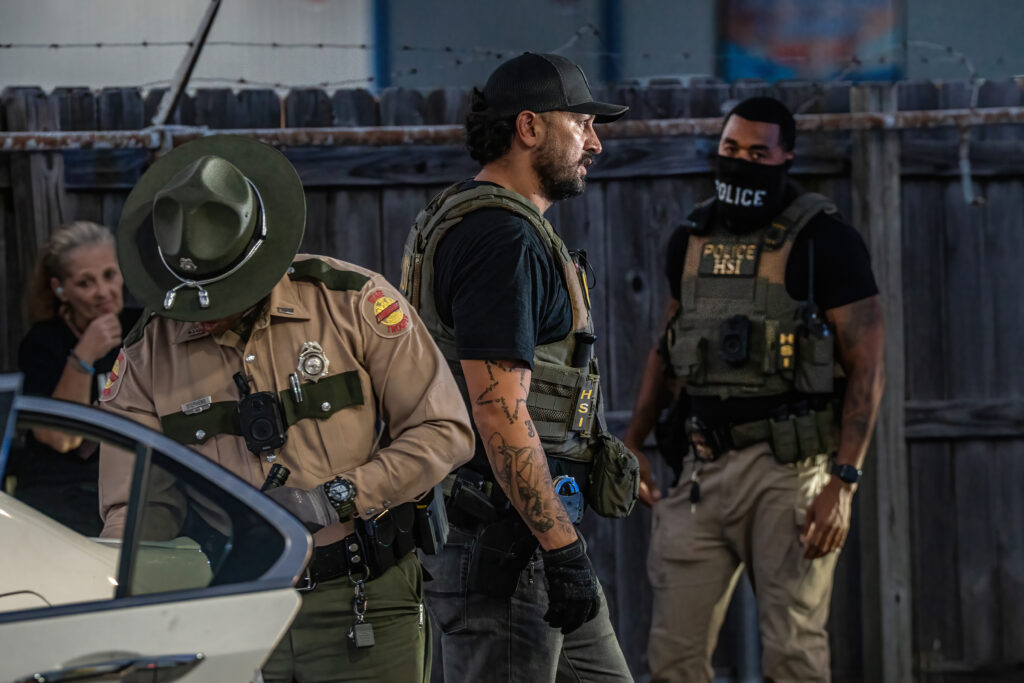
WASHINGTON NewsWK — Local police departments across the United States are rapidly expanding their role in federal immigration enforcement. Flush with billions of dollars in new federal funding, local police are joining hands with federal authorities. Together, they work to identify and detain undocumented immigrants. Consequently, this collaboration has driven immigration arrests to historic highs.
Why it matters
This shift directly impacts local communities, municipal budgets, and public safety dynamics. For taxpayers, the influx of federal dollars offsets the local costs of these operations. However, it also places local officers on the front lines of federal immigration enforcement. In turn, this change can alter how communities interact with local law enforcement.
How Does Local Police Immigration Enforcement Funding Drive the Rise in Partnerships?
Federal financial incentives have transformed a costly, voluntary program into a budget-boosting opportunity for local law enforcement. By covering training and operational costs, Washington encourages thousands of jurisdictions to sign cooperation agreements. As a result, active local-federal partnerships have experienced dramatic nationwide growth.
Historically, local governments had to cover the expenses of training their own staff for immigration tasks. However, the landscape changed when the federal government began offering substantial financial reimbursements.
“Now, the federal government has money to pay them, and so that’s encouraging more states and localities to do it because it’s a budget plus-up,”
said Theresa Cardinal Brown, a former Department of Homeland Security official.
Because of this financial support, the number of active agreements has grown at an unprecedented rate. Before January 2025, the federal government maintained agreements with only 135 local police departments. By October 2025, that figure skyrocketed to 2,608 active partnerships. Currently, agencies in 38 states participate in these programs, with Texas and Florida leading the nation. For example, the Florida Highway Patrol recently became eligible for $26 million in federal reimbursements. In fact, this massive payout covered just a single three-month period.
What Role Did the Secure America Act 2025 Play in This Expansion?
The Secure America Act 2025 provided the primary financial engine to scale up these partnerships. By allocating over $31 billion for cooperative agreements, the legislation removed key financial barriers. Consequently, local police departments can now join federal immigration enforcement without draining municipal funds.
Congress passed these funding packages through legislative reconciliation, which allowed them to bypass opposition. In addition, lawmakers approved $4 billion specifically for state and local immigration enforcement. This funding surge directly coincided with a massive spike in immigration arrests. For instance, federal authorities recorded 43,000 arrests in June. That number rose to 49,000 in July and reached nearly 51,000 in August.
Federal agencies do not always specify which arrests originate from local partnerships. Even so, independent data projects estimate a significant impact. For example, analysts attribute at least 6,150 arrests in July directly to these local agreements. Furthermore, this represents roughly 12.5% of all immigration arrests nationwide during that month.
How Do Different Models of ICE Cooperation with Local Law Enforcement Work?
Local law enforcement agencies participate in federal immigration enforcement through three distinct operational models. These programs range from basic jail checks to active field task forces. Specifically, these models dictate how local officers interact with suspected undocumented immigrants. They also establish the exact legal authority deputized officers exercise in the field.
The first model is the jail enforcement program. Under this system, local jail officers can check the immigration status of individuals booked on local charges. Additionally, they can hold suspects for up to 48 hours until federal agents arrive. Meanwhile, the second option is the warrant service officer model. In this setup, local officers receive training to execute administrative warrants signed by federal officials. However, these officers do not actively investigate immigration status.
Why is the Task Force Model the Preferred Tool in the Trump Immigration Crackdown Local Police Support?
The task force model serves as the primary tool for rapid enforcement. This is because it grants local officers the widest field authority. By reviving this model, federal authorities have effectively multiplied their operational reach. Therefore, deputized local police can make immediate immigration arrests outside detention centers.
Indeed, this model represents the most active form of local cooperation. Under this framework, federal authorities fully deputize local officers to investigate, detain, and transfer suspected undocumented individuals. The Obama administration discontinued this model in 2012 due to profiling concerns. However, the current administration has aggressively revived it. Today, more than 71% of all active partnerships utilize the task force model. In contrast, the warrant model accounts for 21%, and the jail model covers just 7%.
Moreover, supporters argue that this model serves as an invaluable tool for maintaining public safety.
“They can just arrest them on the spot and call ICE, and that way you have a really dramatic force multiplier and ICE doesn’t have to do anything but come and pick them up,”
said Todd Bensman, a senior research fellow at the Heritage Foundation.
Which States Reject These 287g Agreements Immigration Enforcement Partnerships?
While 38 states have embraced these federal partnerships, 12 states actively restrict or ban cooperation. These jurisdictions prioritize community trust over federal immigration operations. Consequently, these 12 states have chosen to opt out entirely, refusing to help federal agents locate or detain undocumented immigrants.
As a result, these states operate without any federal immigration agreements. The jurisdictions rejecting participation include:
- California and Oregon
- Washington and Hawaii
- Illinois and New Jersey
- Connecticut and Rhode Island
- Vermont and Delaware
- Maryland and Maine
For example, lawmakers in states like Maryland and Maine passed specific legislation to block local police from assisting federal agents. In turn, supporters argue that separating local policing from federal enforcement builds stronger community relations. Conversely, the federal government has threatened to withhold unrelated federal funds from these non-cooperating jurisdictions. Meanwhile, Washington continues to offer massive financial incentives to participating agencies.
This article was produced with the assistance of AI and reviewed by our editorial team.
Sources
Related: Sanctuary Policies Block Federal Jail Transfers as ICE Ramps Up Enforcement Across U.S. Communities
Related: Twenty States File Lawsuit Over Federal Immigration Requirements on Law Enforcement Grants
See a typo? Report it here.