Health News
What the Loss of US Measles Elimination Status Means for Families and Local Health Systems
A panel of global health authorities announced formally Tuesday that the United States is no longer a country that has eliminated measles, urging public health leaders to step up vaccinations and stop the spread of outbreaks. The determination by the…


Last updated:
Key points
- The U.S. officially lost its measles elimination status after 12 months of continuous domestic transmission.
- Over 5,400 measles cases and 10 deaths have been recorded in 2026, with nearly 18% affecting children under age five.
- Federal health officials allocated $100 million to support state-led responses while encouraging voluntary MMR vaccination.
NewsWK — Federal health officials confirmed this week that the United States lost its long-standing domestic virus control status. Global health authorities updated the nation’s formal designation. This change follows over a year of continuous outbreak chains across several states.
For over two decades, the nation maintained a clear record of suppressing domestic transmission. However, recent localized clusters triggered a comprehensive review by international health monitors. Consequently, officials now classify the virus as endemic within the country once again.
What does the shift in US measles endemic status mean for American families?
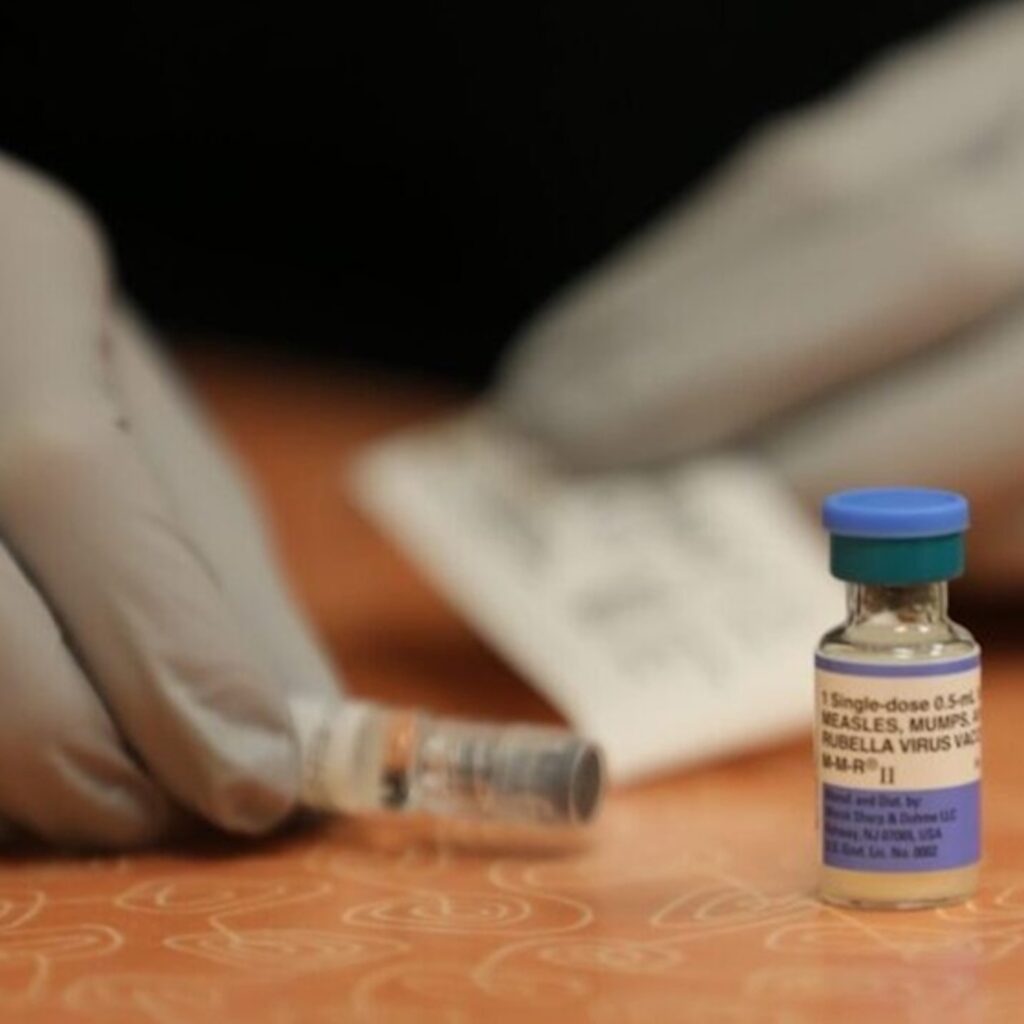
The loss of elimination status means measles is actively spreading across multiple states. As a result, families face heightened exposure risks in schools, daycare centers, and public spaces. Therefore, local doctors emphasize informed parental choices and timely routine immunizations. These steps protect vulnerable infants who cannot yet receive vaccination.
Furthermore, health metrics show direct consequences for local healthcare systems and households nationwide. Infants typically do not receive their first dose until age one. Because of this, newborns remain especially vulnerable in communities with declining immunity rates.
Community health records highlight several immediate effects on local populations:
- Increased Risk for Infants: Babies under twelve months rely entirely on maternal antibodies and community protection before their first shot.
- Pressure on Medical Clinics: Local pediatric offices must prepare for diagnostic testing, patient separation, and rapid contact tracing.
Meanwhile, medical leaders stress that individual doctor-patient conversations remain the most effective tool for addressing parental concerns. Specifically, local pediatricians serve as the primary defense. They deliver clear facts about prevention and individual health risks.
How did the PAHO measles US status change after nationwide outbreaks?
Global health authorities revised the status after twelve consecutive months of active transmission nationwide. Outbreaks expanded rapidly in states like Texas and Pennsylvania. Currently, health officials track over 5,400 confirmed cases in 2026. This marks a significant escalation that demands targeted response efforts rather than panic.
The Pan American Health Organization reclassified the nation after tracking continuous spread since late 2025. Initially, outbreaks emerged in West Texas before moving toward eastern states like Pennsylvania. Consequently, international panels declared that domestic transmission chains were no longer fully broken.
Official health data shows that reported cases reached 5,412 by mid-November 2026. Notably, this figure represents more than double the 2,289 cases recorded throughout all of 2025. Furthermore, nearly 18% of all recorded cases this year occurred in young children under five years old. Sadly, at least ten individuals have died from virus complications nationwide this year.
How are federal leaders responding to the US measles outbreak CDC data? US Measles Elimination Status
Federal health agencies are directing resources to impacted communities while respecting state authority. Meanwhile, U.S. Health and Human Services Secretary Robert F. Kennedy Jr. emphasized voluntary vaccination recommendations. He also attributed disruptions to COVID-era health policy gaps. Additionally, the CDC allocated $100 million in state support to contain localized clusters.
Overall, federal officials advocate for practical, community-based solutions to stop localized transmission. U.S. Health and Human Services Secretary Robert F. Kennedy Jr. addressed the classification change on social media. “I continue to recommend MMR vaccination as the most effective way to prevent measles,” Kennedy stated.
Kennedy explained that global COVID-19 pandemic policies interrupted routine childhood medical appointments. As a result, these disruptions created gaps in community protection both domestically and abroad. Furthermore, federal team members are currently supporting state health agencies in eight states. These include Texas, South Carolina, Virginia, Kansas, New Mexico, Wisconsin, Pennsylvania, and New York.
CDC Director Dr. Erica Schwartz confirmed that federal assistance focuses on practical community outreach. “The measles elimination designation is not what protects Americans. Vaccination does,” Schwartz stated in an email response. In addition, she noted that federal agencies invested $100 million in state and local health departments. This funding helps contain active transmission zones.
Why is the MMR vaccine measles outbreak expanding across multiple states?
Routine vaccination rates fell below the 95% threshold in 39 states following pandemic-era disruptions. Consequently, this gap created pockets of low immunity. The virus now spreads quickly among un-immunized individuals. Therefore, health experts point to missed pediatric visits and reduced trust as primary drivers behind the current rise.
Public health benchmarks show that at least 39 states fall below the 95% threshold for herd protection. Because coverage dropped, the virus spreads easily within unvaccinated social networks.
Meanwhile, recent clinical alerts highlight specific risks for pregnant women and newborns. Between January 2025 and September 2026, researchers documented 112 confirmed infections among pregnant mothers. Subsequently, these cases resulted in 13 instances of congenital infection in newborns. Most affected mothers had not received two vaccine doses prior to exposure.
However, state leaders continue working to rebuild public trust through transparent healthcare channels. Public health departments empower local family doctors and provide clear information.
This article was produced with the assistance of AI and reviewed by our editorial team.
Sources
Related: Measles Cases Reach Highest Level in 35 Years Across the U.S.
Related: Can the Nation Preserve Its US Measles Elimination Status as Cases Rise?