Alabama
States Expand Options For Short-Term Health Insurance Plans As Market Costs Rise
Earlier this year, Madison Harden-Stein and her colleagues at the Georgetown University Center on Health Insurance Reforms posed as consumers interested in buying insurance as part of a secret shopper study. They found that insurance brokers and sales representatives often…


Last updated:
Key points
- States are expanding access to short-term health plans as federal Obamacare subsidies expire and exchange rates climb.
- Mississippi and other states are offering lower-cost alternative policies to help residents maintain basic coverage.
- Consumers must evaluate coverage exclusions and out-of-pocket limits when considering short-term insurance options.
NewsWK — Today, rising health coverage costs are prompting state leaders across the country to expand flexible policy choices for working families. As pandemic-era federal subsidies expired, marketplace premiums surged across national exchanges. Consequently, state insurance regulators are making temporary and limited-duration health policies more widely available.
Shoppers can choose policies fitting their financial reality. However, industry analysts advise buyers to examine specific policy limits before enrolling.
Why are states expanding options for short-term health insurance plans?
Rising premium costs on federal exchanges have pushed state leaders to offer flexible coverage alternatives. As federal pandemic-era subsidies expired, many working families faced steep rate increases on marketplace plans. Consequently, state insurance commissioners are authorizing flexible, lower-cost coverage options. These plans fit individual budgets and short-term transition needs.
Federal policy changes recently expanded state flexibility regarding policy durations. For example, the Trump administration made a key announcement in August 2025. Officials stated they would not enforce previous federal restrictions. Those rules previously capped plan durations at just a few months. Following that shift, states including Arkansas and Oklahoma allowed insurers to offer longer coverage options. Therefore, carriers in those states can now renew policies for up to three years.
Healthcare expenses increased rapidly after Congress allowed temporary premium tax credits to lapse at the end of last year. Because those subsidies ended, exchange enrollment dropped by 13 percent nationwide. For instance, consider a 60-year-old couple earning $85,000 annually. They saw their rates jump from $7,225 to $22,600 without subsidy support. Subsequently, uninsured rates among working-age adults climbed to 11 percent, up from 8.9 percent two years prior.
How does Mississippi short-term health insurance expand consumer choices?
Mississippi insurance officials plan to offer flexible coverage products through a state-run portal by early next year. State leaders view these offerings as practical bridges for residents who dropped coverage due to soaring premiums. Thus, the initiative allows consumers to select plans matching their specific budget constraints rather than mandatory federal benefit bundles.
Mississippi Insurance Commissioner Mike Chaney announced the state portal initiative. This effort helps residents seeking affordable coverage options. “The goal here is to give Mississippi consumers more choices,” Chaney said in a September statement. Also, he added that state officials should not assume every resident requires identical benefit packages.
Insurers like UnitedHealthcare plan to list several policy options on the state platform by early next year. Chaney noted these offerings will assist an estimated 200,000 Mississippians. These residents recently exited the federal marketplace exchange. Furthermore, state leaders argue that having basic coverage remains far better for families than going completely uninsured.
Are Obamacare alternative health plans right for everyday consumers?
Alternative health plans offer lower monthly rates. They achieve this by excluding mandated benefit packages like routine maternity or mental health coverage. Therefore, these plans suit healthy individuals who need basic financial protection against unexpected catastrophic medical events. However, consumers must evaluate policy terms carefully to understand exclusions, benefit limits, and coverage duration rules.
These plans operate under traditional underwriting rules. Consequently, companies can price policies based on individual risk profiles. Meanwhile, policies can exclude pre-existing conditions or limit total payouts for specific medical procedures.
Critics frequently label these products as junk health insurance plans because they lack federal benefit mandates. Specifically, they point out that short-term policies do not guarantee coverage for prescription drugs or mental health care.
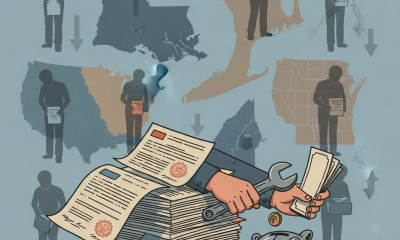
State regulators handle oversight through various frameworks across the nation:
- Thirty-six states allow the sale of short-term policies under flexible state regulations.
- Five states—including California, New York, and Illinois—prohibit short-term plans entirely.
- Nine states and Washington, D.C., enforce strict benefit rules that effectively restrict availability.
- States like Tennessee allow carriers to list short-term options directly on state-run marketplaces.
- Alabama, Florida, Missouri, and Ohio permit specialized agricultural health plans for farm bureau members.
What financial details surround Affordable Care Act short-term insurance policies?
Monthly premiums for short-term coverage run significantly lower than standard exchange policies, but benefit structures differ greatly. While regular exchange plans adhere to federal mandate rules, alternative options focus primarily on basic catastrophic protection. Therefore, consumers must weigh immediate monthly savings against potential out-of-pocket costs for excluded medical services.
Federal marketplace rules require standard insurers to spend 80 to 85 percent of premium revenue on medical claims. In contrast, short-term plans do not face federal medical loss ratio restrictions. Therefore, insurance carriers maintain greater operational flexibility to structure premiums and allocate capital.
Market experts expect demand for lower-cost alternatives to grow. Meanwhile, living costs continue to strain household budgets across the country. Still, consumer researchers advise shoppers to read policy fine print carefully. Ultimately, understanding coverage limits and disclosure rules ensures families select the right protection for their specific financial situation.
This article was produced with the assistance of AI and reviewed by our editorial team.
Sources
Related: Congress Receives New Legislation Aimed at Local Health Care Protection
Related: Democrats aim to emulate Republicans in building state power
See a typo? Report it here.