Arkansas
SNAP Food Stamp Restrictions Lawsuit Challenges Federal Waivers in 18 States
A lawsuit filed Wednesday seeks to block more states from restricting what kind of items food stamp recipients can buy. Led by the National Center for Law and Economic Justice, the class action lawsuit seeks to strike down restrictions on…


Last updated:
Key points
- A federal class-action lawsuit challenges USDA waivers allowing 18 states to restrict SNAP purchases of sugary drinks and snacks.
- Federal health officials argue the restrictions protect public health and ensure taxpayer dollars fund nutritious foods.
- Plaintiffs contend the USDA exceeded its statutory authority and created administrative hurdles for grocers and consumers.
NewsWK — A major legal challenge in Federal Court now targets state-level limits on food stamp purchases. Legal advocates filed a class-action complaint in Washington, D.C., against the United States Department of Agriculture. Specifically, the action seeks to overturn federal waivers granted to 18 states. These rules restrict what Supplemental Nutrition Assistance Program recipients can buy. Administration officials previously encouraged state leaders to apply for waivers. These waivers prohibit using public funds for items like sugary sodas, energy drinks, and candy. However, plaintiffs argue that executive officials overstepped their statutory authority under federal law.
What is the SNAP food stamp restrictions lawsuit about?
The SNAP food stamp restrictions lawsuit challenges federal waivers allowing states to ban certain food purchases. Attorneys filed the lawsuit in the U.S. District Court for the District of Columbia on Wednesday. They contend that federal officials altered national program rules without express congressional approval. Consequently, the lawsuit asks a judge to strike down restrictions in 18 participating states.
The class-action complaint focuses on administrative authority and executive power over federal welfare spending. Traditionally, federal standards allowed SNAP participants broad freedom to choose their standard groceries. However, recent policy directives encouraged states to seek administrative waivers from the USDA. Leaders aimed to curb chronic health conditions by restricting taxpayer funding for junk food. Consequently, advocates filed suit to enforce existing statutory boundaries.
Which states are impacted by the lawsuit SNAP food restrictions 18 states challenge?
The lawsuit SNAP food restrictions 18 states challenge targets waivers across the South, Midwest, and West. Affected jurisdictions include Florida, Texas, Ohio, Indiana, Louisiana, Missouri, and South Carolina. Additional states named in the court filing include Arkansas, Hawaii, Idaho, Kansas, Montana, and Nevada. The filing also names North Dakota, Oklahoma, Utah, Virginia, and Wyoming. Meanwhile, judges in Earlier Court actions already blocked similar waivers in five other states.
These state policies vary in their specific product prohibitions across different regions. For example, Hawaii restricts soft drink purchases. In contrast, Florida bans SNAP funding for soda, energy drinks, candy, and prepared Desserts. Earlier Federal Court decisions halted similar initiatives in the following five states:
How will the SNAP food stamp restrictions lawsuit impact local grocery shoppers and retailers?
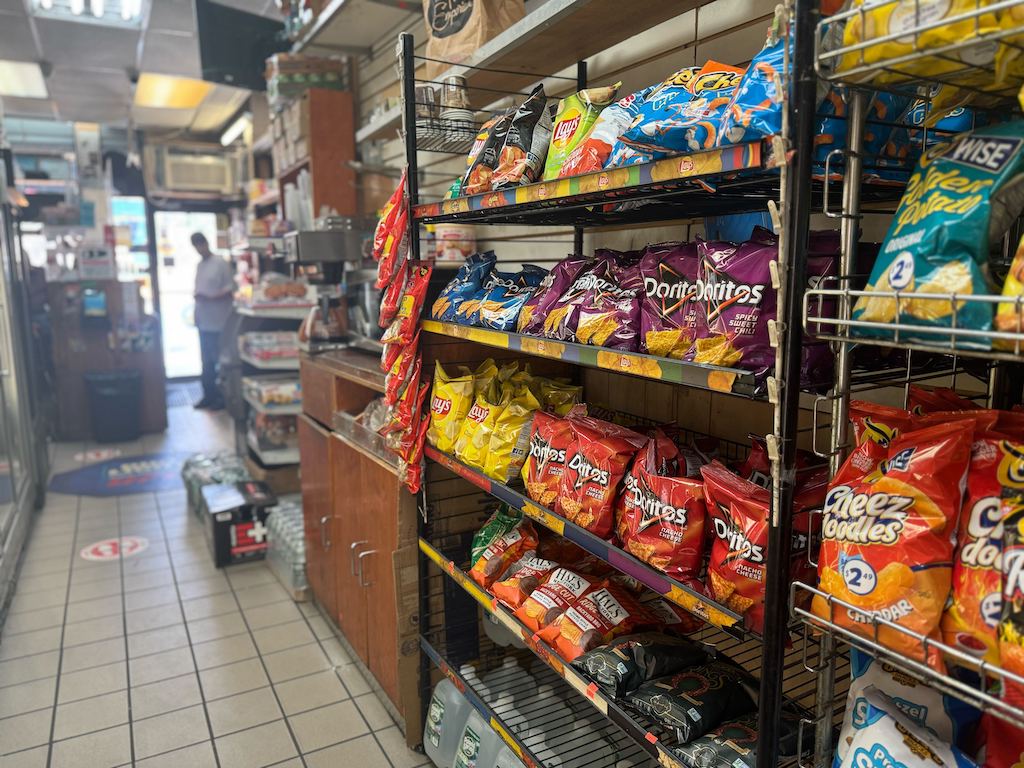
The outcome of the lawsuit directly affects daily operations at grocery stores and convenience markets nationwide. Local retailers must reconfigure electronic payment software to block non-eligible items when shoppers check out. Therefore, regulatory shifts create operational complexities for small grocers and family budgets alike. Plaintiffs also argue that rigid product bans harm individuals with specific health needs or limited kitchen facilities.
Meanwhile, families in underserved areas navigate complex purchase rules at the checkout counter. Additionally, individual plaintiffs cited personal health challenges in court filings. For example, an Idaho resident reported relying on electrolyte beverages and granola bars to manage autoimmune conditions. Similarly, an Oklahoma plaintiff staying in an extended-stay hotel relied on specialized foods due to gastrointestinal issues. Legal teams contend that broad bans create unintended hardships for consumers with unique dietary constraints.
Why did federal officials approve state restrictions on food stamps?
Federal officials approved the waivers to prioritize public health and reduce chronic illness. Policy leaders argue that federal tax dollars should support nutritious food rather than sugary beverages and candy. Furthermore, supporters emphasize that state governments need flexibility to manage public health outcomes effectively. Consequently, the administration backed state efforts to reshape SNAP spending priorities.
U.S. Health and Human Services Secretary Robert F. Kennedy Jr. previously defended the regulatory strategy regarding program reform. “These waivers help put real food back at the center of the program and empower states to lead the charge in protecting public health,” Kennedy stated. The federal government argues those restrictions divert taxpayer dollars away from food purchases that fuel the nation’s epidemics of diabetes and other chronic diseases. Therefore, restricting taxpayer subsidies for junk food aligns welfare spending with public wellness goals.
What legal arguments surround the food stamp soda ban lawsuit and SNAP sugary drink restrictions?
The legal debate in the food stamp soda ban lawsuit focuses on executive authority versus statutory text. Plaintiffs argue that Congress never granted the USDA explicit power to reshape core SNAP benefits through administrative waivers. Furthermore, legal counsel claims the policy changes cause operational confusion across state lines. Meanwhile, federal agencies maintain that statutory waiver provisions permit state-led public health innovations.
Legal counsel Katharine Deabler-Meadows argued that the administration bypassed statutory limits. “Our lawsuit seeks to hold the Trump administration accountable for violating the law and causing unprecedented chaos for SNAP recipients and retailers alike,” Deabler-Meadows stated. The U.S. Department of Agriculture declined to comment on the Pending Court proceedings. Therefore, a federal judge must now decide whether executive agencies exceeded their statutory mandates when granting state waivers.
This article was produced with the assistance of AI and reviewed by our editorial team.
Sources
Related: Democrats aim to emulate Republicans in building state power
Related: More Americans are hungry in the face of federal cuts, rising grocery prices