Washington
Closing the Substance Use Care Gap Act: Federal Bill Proposes Expanded Grants for Local Addiction Services
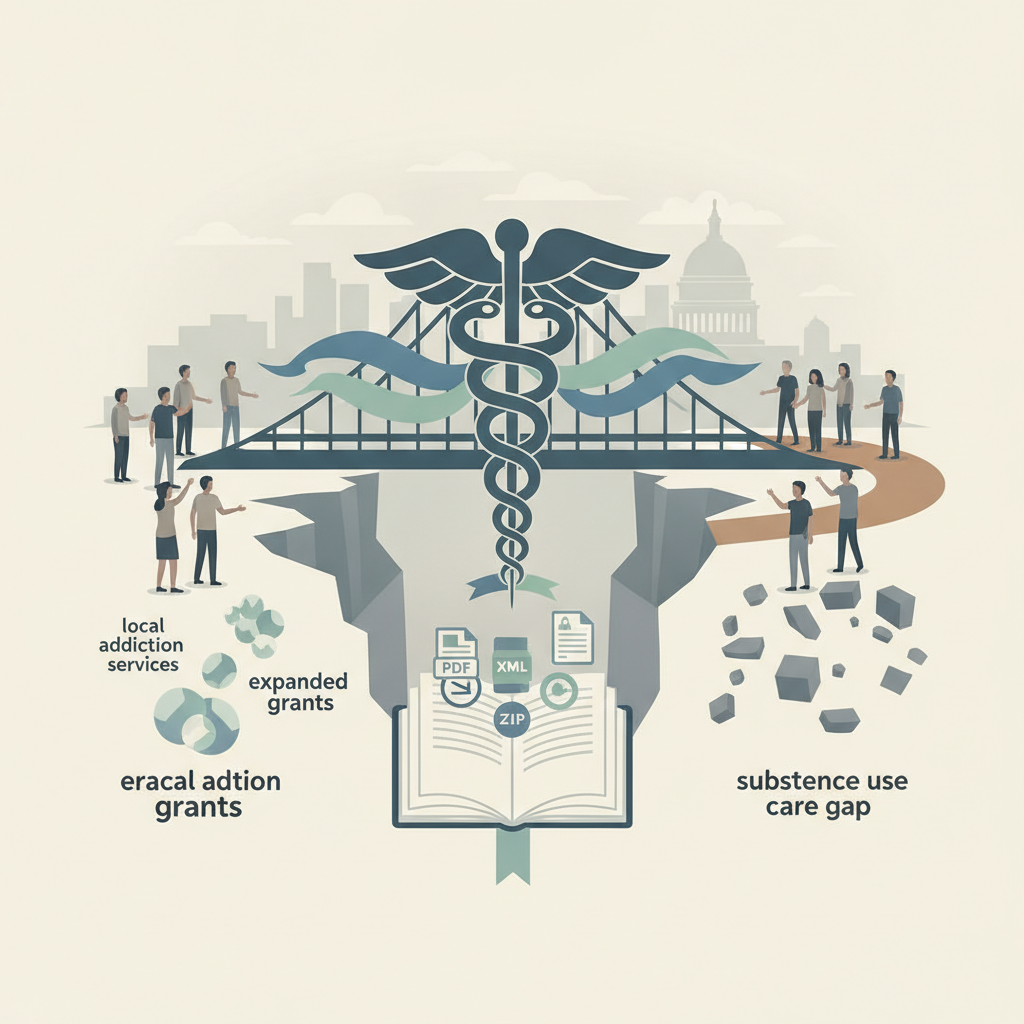
Representative Rick Larsen introduced HR 11035 to create federal grants for community-based harm reduction programs. The bill proposes funding for overdose prevention tools, naloxone distribution, fentanyl test strips, and treatment referral networks.


Last updated:
Key points
- Representative Rick Larsen introduced HR 11035 to create federal grants for community-based harm reduction programs.
- The bill proposes funding for overdose prevention tools, naloxone distribution, fentanyl test strips, and treatment referral networks.
- HR 11035 currently sits in the House Committee on Energy and Commerce without any listed cosponsors.
NewsWK — Federal lawmakers are considering new legislation to address the nation’s ongoing drug crisis. Representative Rick Larsen of Washington introduced HR 11035 on November 13, 2026. The measure seeks to expand federal grant funding for local addiction initiatives. However, congressional leaders have not yet scheduled a vote on the proposal.
What is the Closing the Substance Use Care Gap Act?
The Closing the Substance Use Care Gap Act is a federal bill. It would amend the Public Health Service Act. If passed, it directs the Department of Health and Human Services to award local grants. Ultimately, these funds would support community harm reduction services across the nation.
Specifically, the Assistant Secretary for Mental Health and Substance Use would manage the grant process. Representative Larsen introduced HR 11035 during the 119th Congress. Next, House leaders referred the bill to the House Committee on Energy and Commerce. However, the legislation currently lacks co-sponsors in the House of Representatives. Therefore, its path forward depends on committee approval and broader congressional backing.
How would federal harm reduction funding impact local communities and taxpayers?
The proposal would distribute federal tax dollars directly to local community organizations. Proponents argue these funds help prevent fatal drug overdoses and save lives.
Local municipalities across the United States face severe challenges from synthetic opioids like fentanyl. Addiction impacts public safety and local budgets. Consequently, municipal leaders closely watch federal drug policy. Some local leaders welcome federal grant dollars to ease the burden on emergency services. Still, HR 11035 would allow non-profit groups to apply for these competitive grants. Local health departments could apply as well.
What specific activities would substance use harm reduction grants cover?
The proposed grants would fund several distinct operational activities for local providers. First, the legislation targets immediate health interventions for drug users. Specifically, these funds would support overdose prevention tools and health education programs. In addition, the money would fund direct referrals to long-term addiction treatment facilities.
The legislation outlines several permissible uses for the proposed grant funding. Under the draft text, local grantees could use federal funds for five main activities:
- First, organizations could purchase and distribute life-saving overdose reversal drugs like naloxone.
- Next, programs could provide fentanyl test strips. These tools help users identify deadly synthetic contaminants.
- Also, groups could operate syringe services programs. These efforts aim to prevent the spread of infectious diseases.
- Additionally, grantees could offer peer counseling, health education, and ongoing recovery support services.
- Finally, entities would establish structured referral systems. These networks connect individuals with evidence-based treatment programs.
Additionally, the bill references established sections of the United States Code governing health services. For example, the text aligns with federal rules under Title 25 and Title 42. These references clarify how federal agencies must integrate new grants into existing statutory frameworks.
What is the legislative background and political outlook for the Rick Larsen substance use bill?
While the legislation has not yet advanced in committee, major medical organizations endorse it. However, lawmakers face growing debate over the effectiveness of federal harm reduction strategies.
Several national health and medical organizations have voiced support for HR 11035. For instance, the American College of Physicians and the American Nurses Association support the measure. Also, the National Alliance on Mental Illness endorses the bill. The American Society of Addiction Medicine backs it as well. Furthermore, the Association of American Medical Colleges expressed formal support for the grant program.
At the state level, health groups in Washington state have backed the legislation. For example, the Washington State Medical Association favors the measure. The Washington State Hospital Association supports it too. Furthermore, the University of Washington Harm Reduction Research and Treatment Center endorses the bill. Finally, the Washington State Association of Counties backed the legislation to Aid County health departments.
Still, federal legislation faces significant policy hurdles in the House of Representatives. Because HR 11035 remains in committee, lawmakers have not scheduled hearings or votes. Consequently, local officials and community groups must wait to see if Congress acts.
This article was produced with the assistance of AI and reviewed by our editorial team.
Sources
Related: Congress Receives New Legislation Aimed at Local Health Care Protection
Related: Concerns Mount Over Private Equity Hospice Care Washington State Partnerships