
Health News
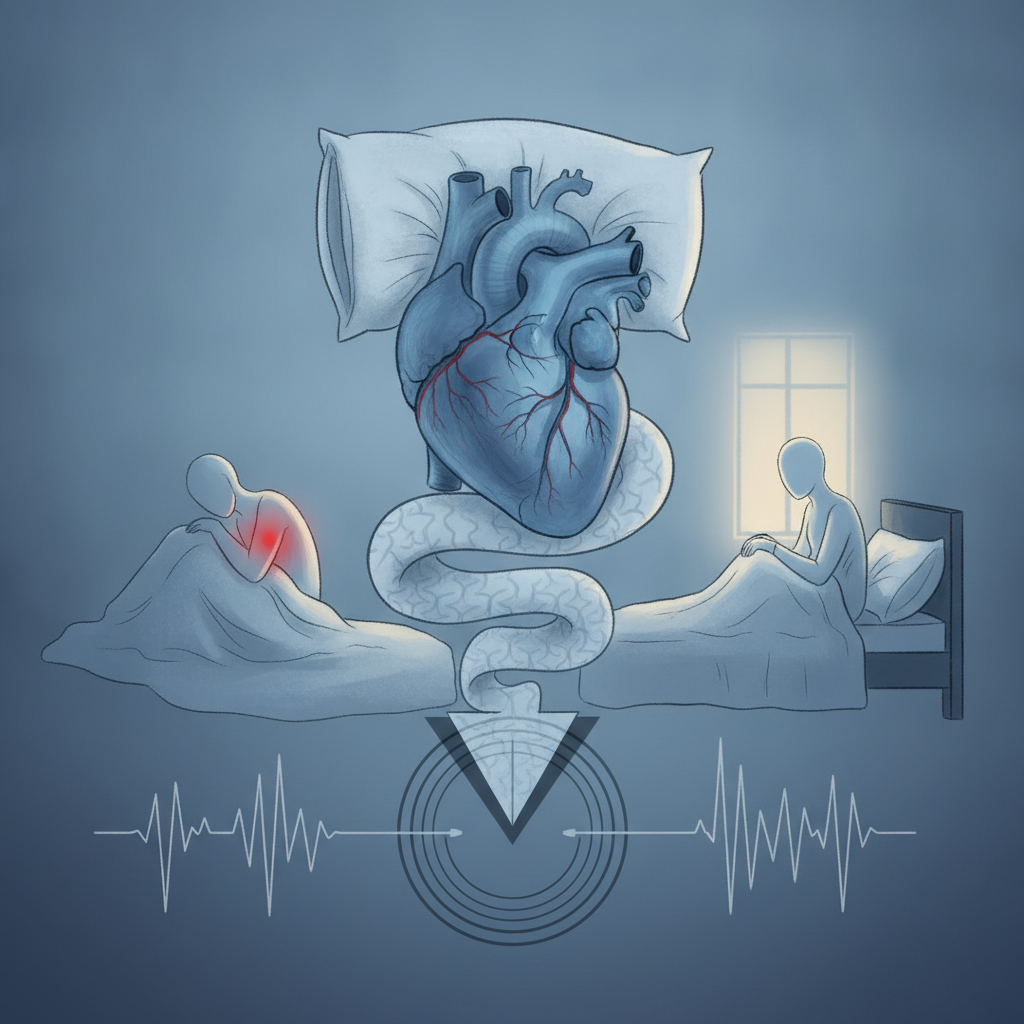
Heart Disease Sleep Duration Study Shows Risks for Long Sleepers
Common sleep habit linked to 50% higher death risk in heart patients, recent study finds Sleeping longer may be a warning sign for heart disease patients Consistent bedtimes could protect your heart health, new study Sleeping nine or more hours…


Last updated:
Key points
- Heart patients sleeping nine or more hours per day face a 51% higher risk of death.
- Excessive sleep often serves as a clinical warning sign for underlying health issues like frailty or sleep apnea.
- Irregular bedtime schedules and sleep duration shifts increase the risk of heart attacks and strokes.
NewsWK — American adults managing heart conditions often hear warnings about getting insufficient sleep. However, broad medical evidence shows that spending too much time in bed poses severe risks. Therefore, maintaining balanced daily routines remains essential for long-term patient health.
What does the heart disease sleep duration study reveal about long sleep heart risk?
The recent heart disease sleep duration study shows long sleepers face higher death risks. Specifically, patients sleeping nine or more hours daily experienced a 51 percent higher mortality rate. Researchers noted that excessive rest often signals underlying medical problems. For example, it may indicate advancing heart failure or physical frailty.
Researchers examined health records from 3,287 American adults with diagnosed cardiac conditions. First, participants joined the national health survey in 2004. Officials then tracked participant outcomes through December 31, 2019, using National Death Index records. Over this 15-year period, nearly half of all subjects died. Specifically, 16.7 percent died from heart issues, while 32.6 percent died from non-cardiovascular causes.
Next, researchers adjusted for age, exercise, smoking, diabetes, and blood pressure. Soon, clear patterns emerged. Adults sleeping nine or more hours daily had a 53 percent higher cardiovascular death risk. Also, these patients faced a 50 percent increase in non-cardiovascular mortality. Conversely, sleeping six hours or less showed no significant mortality increase after full adjustments. Ultimately, the lowest overall mortality occurred among individuals getting six to seven hours of sleep.
How does sleeping too much impact daily health management for heart patients?
For families and health providers, treating long sleep as a warning sign helps catch problems early. Caregivers should not assume extra rest always promotes recovery. Instead, prompt doctor visits can identify underlying conditions early.
Doctors emphasize that extra sleep rarely causes health failure by itself. Instead, spending long hours in bed acts as a vital clinical warning sign. Heart patients sleeping excessive hours frequently suffer from undiagnosed sleep apnea or heart weakness. Therefore, proactive monitoring allows families to seek timely treatment before medical emergencies happen.
What additional factors explain sleep duration mortality risk in adults?
Beyond total daily hours, irregular bedtime habits also threaten long-term heart health. Recent clinical research shows that shifting sleep schedules creates biological stress on human organs. Consequently, maintaining predictable daily sleep patterns plays an important role in preserving cardiovascular stability.
Why are researchers concerned about sleeping nine hours heart disease connections?
Medical experts caution that shifting sleep schedules disrupts human circadian rhythms. When heart patients sleep nine hours, complications can arise. Furthermore, irregular bedtimes add extra strain on the heart.
A separate clinical study led by Dr. Nguyen Minh Tuan Viet analyzed wearable device data. Specifically, the team tracked six months of metrics from over 10,000 adults in a federal project. That investigation revealed that night-to-night timing variations raised major heart event risks by 20 to 23 percent. Furthermore, every 29-minute shift in sleep duration increased severe cardiovascular risks by 24 percent.
Meanwhile, participants who completed regular sleep cycles enjoyed a 28 percent lower risk of atrial arrhythmia. However, individuals experiencing unusually long sleep cycles faced higher dangers. In fact, they had a 55 percent higher risk of heart attack or stroke.
How can patients manage sleep duration mortality risk through daily habits?
Patients can protect their health by establishing steady sleep routines. In addition, they should report unusual fatigue to doctors immediately. Monitoring daily sleep habits allows individuals to catch warning signs early. Ultimately, these choices support personal responsibility and improve overall quality of life.
- Aim for six to eight hours of sleep every night.
- Keep identical bedtime and wake-up schedules during the week.
- Contact a doctor if daily sleep needs unexpectedly exceed nine hours.
- Use health tracking tools to identify schedule changes early.
This article was produced with the assistance of AI and reviewed by our editorial team.
Sources
Related: Galatians 5:14 — Daily Bible Verse
Related: Colossians 3:1 — Daily Bible Verse
Related: Neanderthal Gene Lower Schizophrenia Risk Discovered in New Study


