
Health News
Neanderthal Gene Lower Schizophrenia Risk Discovered in New Study
Neandertal gene variant in modern human genomes tied to lower schizophrenia risk, study finds Neanderthal genes linked to lower risk of schizophrenia in modern humans Neanderthal DNA linked to lower risk of schizophrenia in modern humans A Gene Inherited From…


Last updated:
Key points
- Researchers linked a specific Neanderthal genetic variant on chromosome 14 to a lower risk of developing schizophrenia.
- Carrying two copies of the ancient gene variant reduces schizophrenia risk by nearly 10%.
- The variant alters the DAAM1 gene and reduces occipital lobe volume without affecting general cognitive ability.
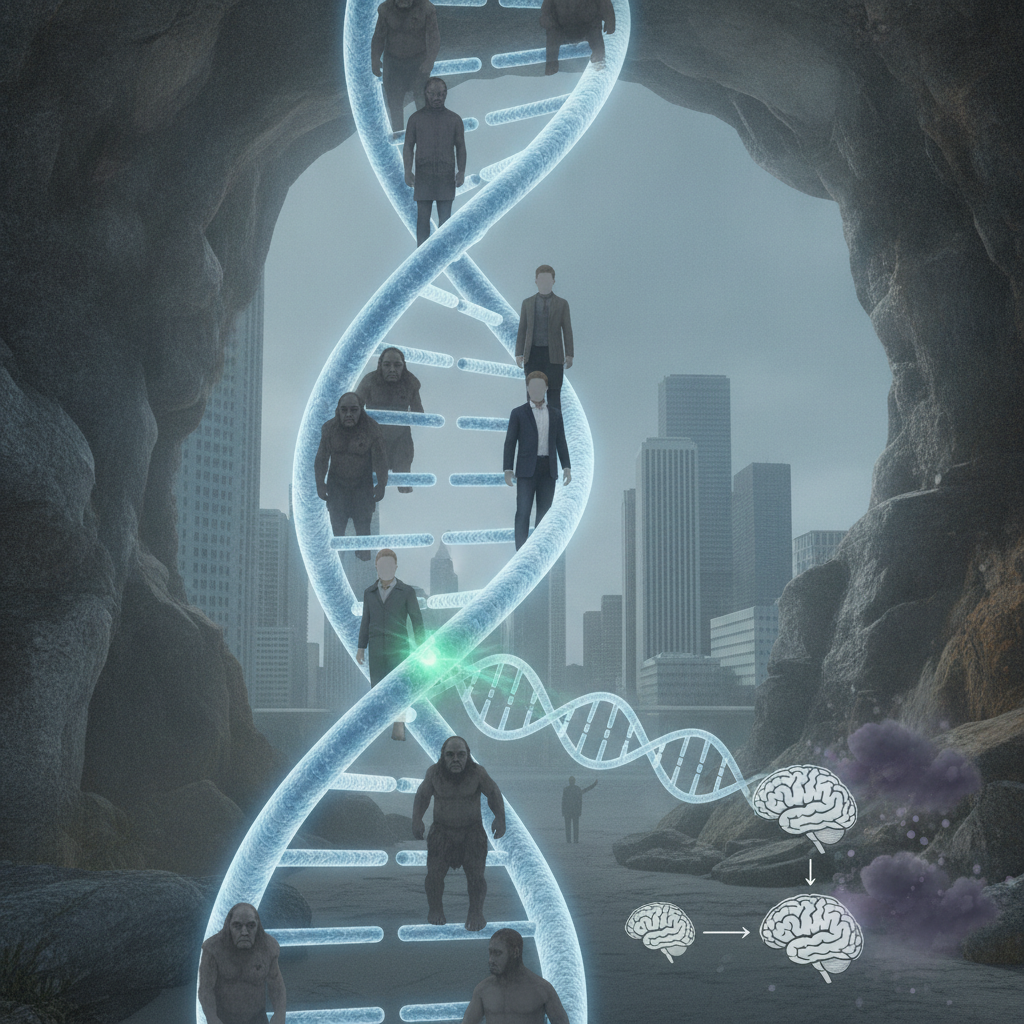
NewsWK — A newly identified ancient genetic trait offers fresh insights into human brain biology. Genetic researchers traced a specific DNA sequence back to ancient hominins. Their findings show that this code influences brain structure today while offering partial protection against a severe psychiatric illness.
How Does a Neanderthal DNA Schizophrenia Study Explain Reduced Mental Health Risk?
A recent genetic investigation reveals that inheriting an ancient DNA variant reduces the risk of developing schizophrenia. Carrying one copy of the variant lowers risk by roughly 5%. Meanwhile, individuals who inherit two copies experience nearly a 10% risk reduction. However, scientists note this association does not grant complete immunity.
Researchers published these findings in a Neanderthal genetics PNAS study on November 16, 2026. Geneticists Hugo Zeberg and Nobel laureate Svante Pääbo led the research. They analyzed population data across global groups. Their work demonstrates how ancient interbreeding continues to shape human genetics 40,000 years after Neanderthals went extinct.
- The variant originated from interbreeding before Neanderthals died out.
- About 20% of modern people with European ancestry carry at least one copy.
- The gene variant remains absent in populations from sub-Saharan Africa.
What Does This Mean for Medical Science and Brain Research?
Therefore, future medical research may use these findings to explore targeted clinical treatments for mental health conditions.
What Is the Link Between DAAM1 Gene Schizophrenia Risk and Brain Structure?
The variant involves a four-nucleotide deletion on chromosome 14 that alters the nearby DAAM1 gene. Researchers measured a clear difference in Neanderthal gene variant brain volume among participants. Specifically, the variant reduces occipital lobe volume by approximately 0.85 cubic centimeters per copy.
The occipital lobe processes visual information at the back of the brain. But researchers found no link between brain volume changes and general intelligence. Also, experts emphasize that the DAAM1 gene schizophrenia risk study establishes correlation rather than direct causation.
This article was produced with the assistance of AI and reviewed by our editorial team.
Sources
Related: FDA Cell and Gene Therapy Guidance Sets New Standards for Potency and Safety
Related: Senate Passes the Dennis John Benigno Traumatic Brain Injury Program Reauthorization Act


