Health News
Family Demands Answers After Mary Manning Walsh Legionnaires Disease Death
Exclusive | NYC grandpa dies of Legionnaires’ after stay at rehab already under investigation for same disease


Last updated:
Key points
- A 75-year-old Staten Island man died from Legionnaires’ disease following a five-week stay at a Manhattan rehabilitation facility.
- State health officials investigated three cases of Legionnaires’ disease linked to the Upper East Side facility in 2026.
- Water tests conducted at the facility showed no bacteria, though health experts note negative results do not fully rule out past exposure.
NewsWK — A Staten Island family is demanding answers after a 75-year-old grandfather died from a severe bacterial infection. His death followed a prolonged stay at an Upper East Side care facility. Consequently, the tragic loss highlights growing concerns over water safety standards in New York City healthcare settings.
What does the investigation mean for patients at Mary Manning Walsh rehab NYC?
State health oversight remains vital when vulnerable seniors enter short-term care facilities. Patients and their families rely on strict environmental standards to protect immune-compromised individuals from preventable waterborne illnesses. Therefore, reports of serious bacterial infections inside specialized medical centers raise urgent questions about institutional protocols and public oversight.
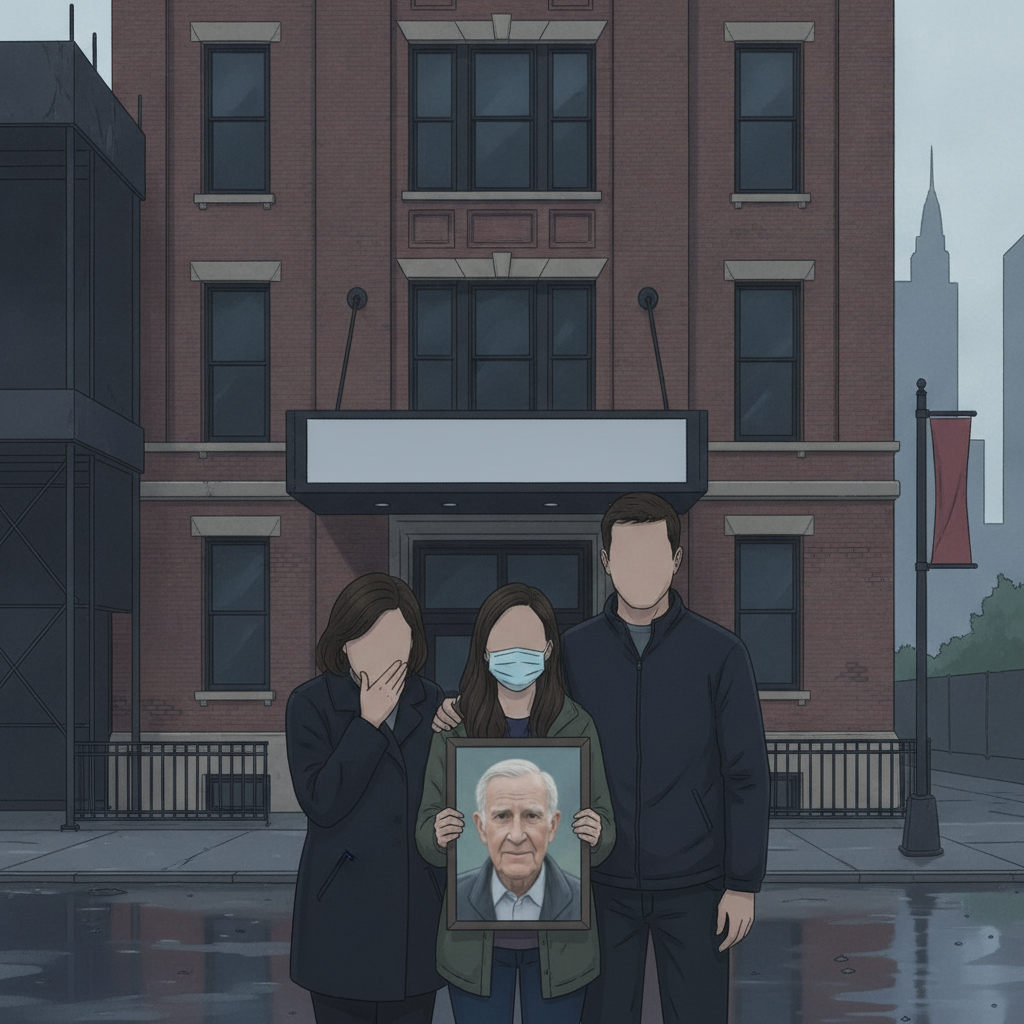
Shalom Rosman spent five weeks recovering inside the Upper East Side facility. He suffered from stage 4 cancer and sought to regain his physical strength. However, his health quickly deteriorated shortly after returning home to Staten Island. His family spent 51 years with him and built a life around 15 grandchildren. Now, they seek clear answers regarding health protocols at short-term care institutions.
Families placing loved ones in specialized care expect rigorous facility maintenance. When severe infections occur during recovery, public confidence in healthcare management weakens. Because elderly patients face heightened health risks, local facilities must maintain flawless safety controls.
What sparked the Manhattan rehab Legionnaires outbreak investigation?
State health officials initiated a formal inquiry after registering three cases of Legionnaires’ disease linked to the facility in 2026. Investigators examined environmental records and building operations to identify potential contamination sources. Consequently, regulatory bodies continue reviewing facility safety procedures to prevent further risks to fragile patients.
Legionnaires’ disease causes a severe form of pneumonia. Specifically, people contract the illness by inhaling small water droplets containing Legionella bacteria. Symptoms typically appear between two and 14 days after exposure. Because Rosman stayed there during that precise window, his family believes he contracted the infection at the facility.
The facility reported that environmental testing did not detect Legionella bacteria in water samples. Officials collected those samples both before and after Rosman’s diagnosis. However, health experts note that negative water tests do not completely rule out prior contamination. For instance, sampling locations, timing, and water volume can all influence testing accuracy.
How did the Shalom Rosman Legionnaires disease case develop?
Shalom Rosman entered the facility in late summer 2026 after blood clot treatment at Memorial Sloan Kettering Cancer Center. He remained inside his assigned room for almost his entire five-week stay. Because of limited mobility, he relied exclusively on facility showers for hygiene. Afterward, he returned to his Staten Island home on September 18.
Four days after returning home, Rosman developed severe delirium. Therefore, emergency responders transported him back to Sloan Kettering on September 22. Medical tests confirmed a Legionnaires’ disease diagnosis on September 24. Despite intensive care, Rosman passed away on September 30, 2026.
Facility representatives stated that the specific inquiry into Rosman’s case concluded. However, broader state oversight into facility operations remains active. Additionally, administrators emphasized that their facility exceeds baseline state requirements for routine water testing and system sanitation.
How do water testing standards apply to a Legionnaires disease NYC rehab facility?
New York regulatory agencies enforce strict guidelines for cooling towers and indoor water systems inside residential care centers. Proper maintenance requires continuous monitoring, thermal control, and periodic chemical treatments. Therefore, robust state oversight ensures that facility operators remain fully accountable for maintaining safe environments for vulnerable residents.
Facility administrators noted that Rosman did not remain continuously on site throughout his entire care period. Still, family members emphasize that his limited mobility restricted his movements almost entirely to his room. Ultimately, this geographic reality fuels ongoing scrutiny regarding environmental controls in eldercare settings.
Healthcare transparency remains crucial for public trust. Moving forward, family advocates urge stricter oversight so every rehabilitation center maintains pristine safety standards.
This article was produced with the assistance of AI and reviewed by our editorial team.
Sources
Related: Congress Receives New Legislation Aimed at Local Health Care Protection
Related: Study Examines Women on Parole Mental Health and Reentry Crises Across the US
Related: House Resolution 1499 Clears Way for Critical Votes on Mining, Higher Education, and Maritime Rules
Related: Bipartisan HR 10869 Protect Clean Water Act Targets PFAS Contamination Across American Utilities
Related: How S. 4040 Boosts North Dakota Water Infrastructure Funding