
Health News
New Federal Teen Pregnancy Prevention Program Emphasizes Fertility and Reproductive Goals Across the U.S.
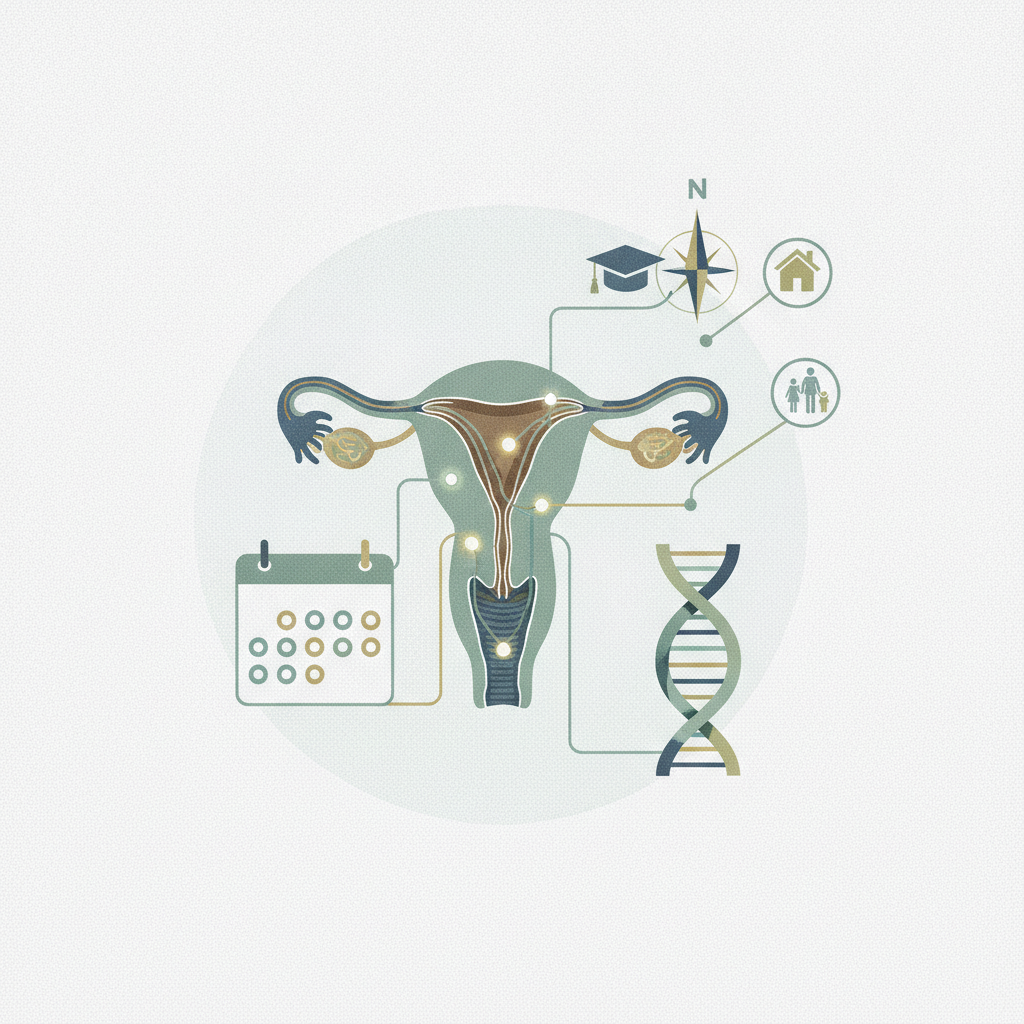
The Trump administration has a new plan for teenagers learning about pregnancy: Beginning this summer, it will steer millions of dollars toward organizations that focus on anatomy, fertility tracking, hormonal production and “reproductive goals counseling.” The plan will also emphasize…

Last updated:
Key points
New Federal Teen Pregnancy Prevention Program
- A new federal program focuses on fertility education and abstinence in teen pregnancy prevention.
- Critics express concerns that the shift could undermine effective, evidence-based programs.
- Organizations like Children’s Aid have experienced funding cuts due to the new rules.
NewsWK — A new federal initiative aimed at preventing teen pregnancies will focus on teaching anatomy, fertility tracking, and reproductive goals, as announced by the Trump administration. Under this program, millions of dollars will be allocated to organizations that promote these concepts, emphasizing abstinence and the significance of marriage.
This shift marks a departure from previous programs that have been effective in reducing teen pregnancy rates, particularly those that target high-need populations with evidence-based strategies. Critics argue that the new approach encourages planning for pregnancy rather than preventing it.
The Teen Pregnancy Prevention Program, established by Congress in 2010, has seen funding renewed on a bipartisan basis over the years. However, some experts believe that the recent changes could undermine the progress made in reducing teen birth rates, which have dropped significantly—around 72% according to the Centers for Disease Control and Prevention.
Amy Friedrich-Karnik from the Guttmacher Institute highlighted concerns that the new funding aligns with a trend of limiting comprehensive sex education, stating, “We do think that fertility awareness-based methods should be explained to patients… but (patients) need to also be aware of the full options that are available.”
Organizations such as Children’s Aid in New York City, which served approximately 1,200 youths annually with a nearly $1 million grant, have seen their funding affected by these new rules. Rhonda Braxton, a vice president at Children’s Aid, stated, “These young people are losing trusted relationships in an era of misinformation and distrust.”
The revised program requirements mandate instruction on body literacy, including distinct modules addressing anatomy and reproduction for both genders. Additionally, applicants for the funding must demonstrate alignment with agency priorities, a process now influenced by political appointees.
While the new criteria might benefit some organizations promoting fertility awareness, they also raise concerns about the potential for crisis pregnancy centers—often characterized by their anti-abortion stance—to gain federal support. These centers typically provide limited reproductive health services, often lacking in contraception options.
Based on reporting by Kelcie Moseley-Morris originally published by Stateline. Read the original story.
New Federal Teen Pregnancy Prevention Program coverage on NewsWK includes background, context, and related reporting for readers following this story.
NewsWK publishes local and national news with clear headlines, source context, and follow-up when developments change. This article is part of ongoing coverage intended to help readers stay informed.
For more on New Federal Teen Pregnancy Prevention Program, browse related NewsWK stories and check back for updates as new information becomes available.
Our editors review developing stories and update articles when material facts change, so readers can rely on NewsWK for clear, timely reporting.
See a typo? Report it here.