Local Business
States Split Over EPA’s Proposal to Drop Greenhouse Gas Rules for Power Plants
States are divided over the Trump administration’s proposal to repeal remaining greenhouse gas standards for power plants, while medical groups warn of public health dangers. The U.S. Environmental Protection Agency released a proposal that contends it doesn’t have the authority…

About EPA power plant greenhouse gas rules

Last updated:
Key points: The EPA proposed eliminating remaining greenhouse gas emissions regulations for fossil fuel-fired power plants, citing limits on federal authority under the Clean Air Act. Twenty-five state attorneys general supported the rule change to protect grid reliability and lower consumer energy costs, while 22 state attorneys general filed opposing comments. Energy-producing states like North Dakota highlighted the importance of traditional energy tax revenues for funding local schools and public services.
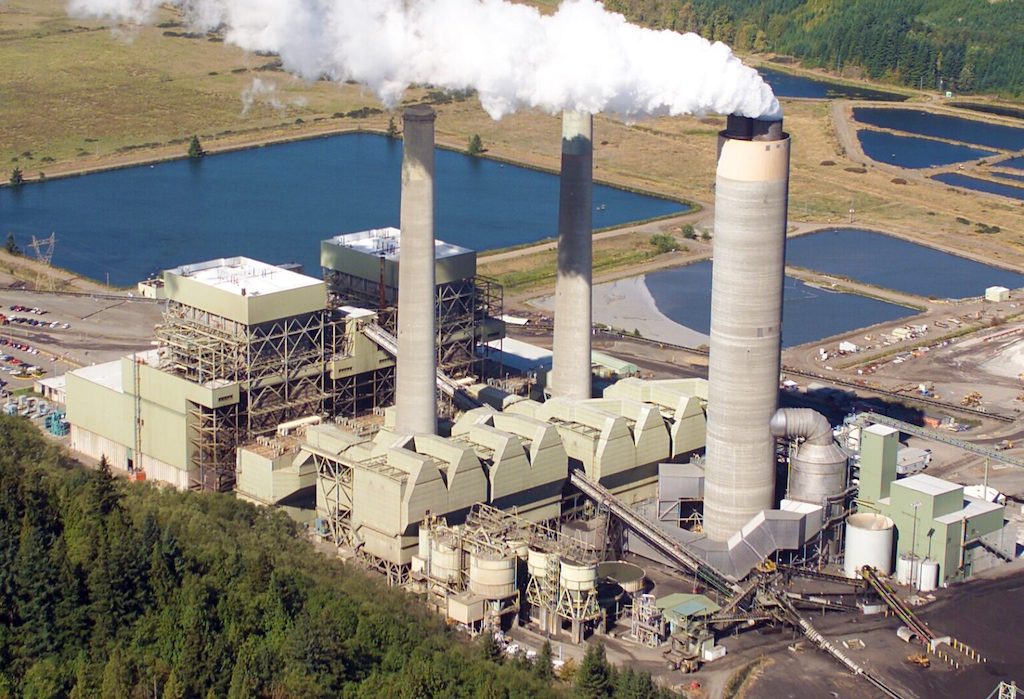
Recently, federal regulators moved to unwind federal oversight over power plant carbon emissions. The U.S. Environmental Protection Agency announced a comprehensive new policy proposal. Specifically, the plan eliminates remaining EPA power plant greenhouse gas rules for fossil fuel-fired electric generating units nationwide. Officials argued that federal statutes do not grant the agency explicit authority. Therefore, the agency cannot restrict carbon outputs for global climate management.
What changes under the proposed EPA power plant emissions standards?
The proposed federal action formally rescinds previous administrative determinations regarding carbon outputs from electric utilities. Federal officials contend that the Clean Air Act never authorized broad economic restructuring of the nation’s energy sector. Consequently, individual states regain primary regulatory jurisdiction over local power generation. The agency said it aims to maintain affordability and reliability of energy supplies.
Overall, the initiative marks a major shift in national energy policy. The proposal builds upon an earlier regulation. That rule partially repealed 2024 emissions limits for coal and natural gas facilities. It also eliminated requirements forcing states to submit complex compliance blueprints to Washington. In addition, federal regulators emphasized their primary goal for the regulatory overhaul. Specifically, they want to ensure affordable and dependable power. Over 165,000 public comments flooded the agency during the recent public input window. Meanwhile, energy providers, municipal leaders, and industry groups engaged heavily in the public review process.
Why are state attorneys general EPA climate rules positions split along political lines?
State officials across the nation hold starkly different views regarding federal administrative authority. A coalition of 25 Republican state attorneys general strongly backed the regulatory rollback. They view it as a necessary protection for affordable electricity. Conversely, 22 Democratic state attorneys general challenged the proposal. They claimed that federal intervention remains vital to prevent long-term environmental harm.
West Virginia led the coalition of 25 conservative state legal leaders in supporting the agency’s action. Meanwhile, opposing state legal officers and local leaders from major cities disagreed. They argued that environmental damage strains local infrastructure budgets. Furthermore, Democratic state legal leaders opposed the policy. They wrote that the proposal “has no basis in fact or law” and would harm local governments.
What do the proposed EPA repeal power plant rules mean for state budgets and consumers?
The proposed policy shift directly affects state tax revenues, utility pricing, and regional electrical grid reliability. Rural states rely on traditional fuel sources. Now, they can protect local energy jobs and maintain revenue streams for public services. Furthermore, consumers benefit from stable electricity rates. Power companies will avoid costly retrofits and premature plant closures.
For energy-producing states, federal regulations carry immediate economic consequences. For instance, North Dakota submitted separate comments. They highlighted how fossil fuel operations fund essential public services. State leaders collect a dedicated coal conversion tax when power plants generate electricity. That tax revenue directly supports local school districts, county infrastructure projects, and municipal operations.
Utilities often pass regulatory compliance costs down to ratepayers. Consequently, families and small business owners face rising electricity bills. However, health organizations and tribal representatives raised concerns about localized air quality near power facilities. Over 70 health groups, including the American Medical Association, weighed in. They argued that higher emissions could harm vulnerable populations. Similarly, the National Tribal Air Association noted that many Native communities sit near electric plants. Therefore, local air quality remains a top priority for them.
How did federal statutory authority over energy production evolve over time?
Federal oversight of energy sector carbon emissions has undergone intense debate for over a decade. In 2015, executive branch regulators declared broad authority under Clean Air Act power plant regulations. They used this power to restrict utility carbon output. Now, the current administrative policy reverses that interpretation. Instead, it returns energy policy decisions to elected state representatives and Congress.
Legal scholars emphasize that court challenges will ultimately dictate the longevity of these federal policies. Harvard Law School energy expert Carrie Jenks noted that states split sharply over regulatory authority. For example, some states assert independent authority to manage carbon emissions within their borders. Conversely, other states seek strict limits on federal administrative power to protect regional energy markets. Federal courts are currently reviewing multiple legal challenges regarding executive regulatory reach. Therefore, courts might uphold the new administrative rule. In that case, state lawmakers will hold primary responsibility for balancing local environmental goals with energy affordability.
Related: Democrats aim to emulate Republicans in building state power
Related: Trump EPA Power Plant Emissions Rule Seeks to Slash Utility Costs
Related: Sanctuary Policies Block Federal Jail Transfers as ICE Ramps Up Enforcement Across U.S. Communities
Related: California Emissions Lawsuit: Trump Administration Effort to Revoke Auto Rules Challenged
Related: California Emissions Lawsuit Florida Impact: How State Auto Standards Could Shift