Arizona
Pennsylvania Democratic Trifecta Election Results Signal Major Policy Shifts Across States
The blue wave that swept across Tuesday’s midterm election will deliver Democrats new power over state government, giving them the opportunity to advance long-sought policy changes. Democrats flipped hundreds of seats, won control of several GOP-held chambers, broke veto-proof supermajorities…

Last updated:
Key points
- Democrats gained full state government control in Pennsylvania for the first time since 1978, securing a trifecta under Governor Josh Shapiro.
- Significant legislative shifts occurred in Arizona, New Hampshire, and Texas, creating new statehouse majorities and veto-proof control.
- Nearly half of state legislative chambers will seat new leadership next session as lawmakers debate tax, spending, and regulatory policies.
NewsWK — State capitols nationwide are preparing for dramatic policy shifts following key statehouse elections. Specifically, Democrats flipped critical legislative chambers across multiple regions. They also gained full control over several state governments. In Pennsylvania, voters delivered a major realignment. They shifted the state Senate to Democratic control for the first time since 1978. Consequently, Pennsylvania Governor Josh Shapiro and state lawmakers now hold an unprecedented legislative majority. As a result, they plan to advance heavy regulatory and spending agendas.
Meanwhile, similar power shifts occurred across several other states. For instance, Democrats seized legislative control in Arizona. They also broke Republican supermajorities in Missouri and Utah. Additionally, they secured veto-proof power in New Hampshire. However, conservative lawmakers in states like Texas and North Carolina retain sufficient leverage. Therefore, they can still block major progressive legislation. Today, state legislatures prepare for their biggest leadership shakeup in decades. Consequently, taxpayers face contrasting economic visions nationwide.
What do the Pennsylvania Democratic trifecta election results mean for taxpayers?
The historic election outcome hands Democrats full control of Pennsylvania government for the first time in decades. Specifically, party leaders plan to enact a $15 minimum wage, expand mass transit funding, and increase social spending.
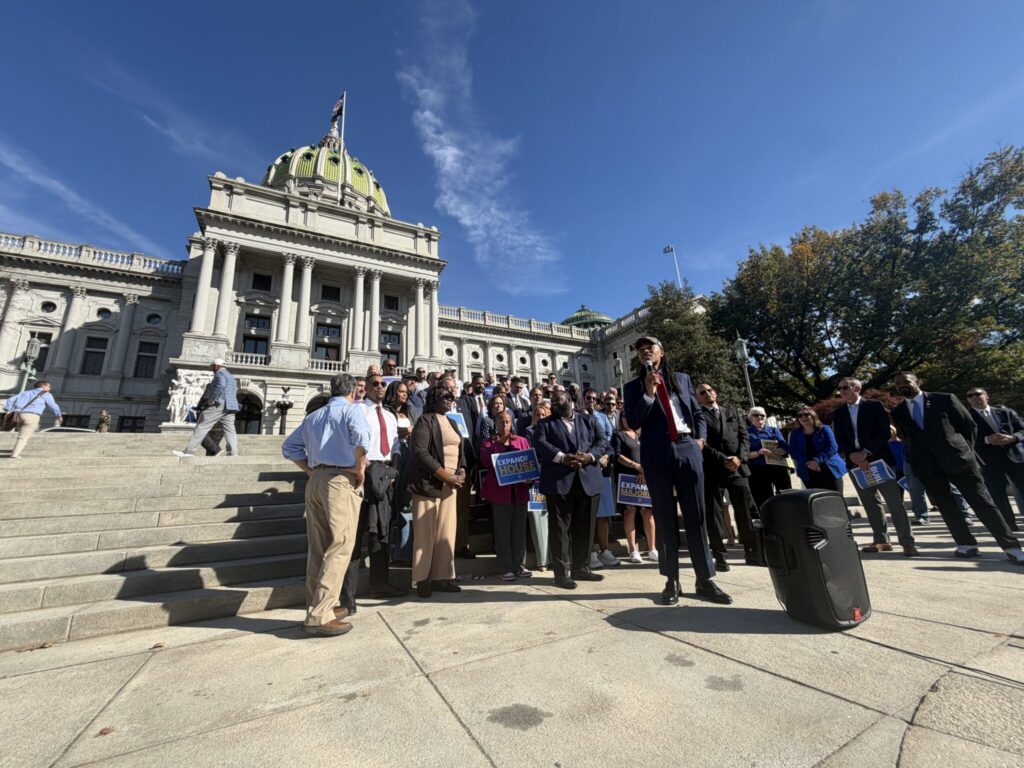
In Harrisburg, the shift ends decades of divided government in the General Assembly. Notably, Governor Josh Shapiro won reelection decisively while his party captured the state Senate. Now, Democrats hold state government control in Harrisburg. Therefore, leaders are preparing to revive bills previously blocked by conservative lawmakers. For example, legislative priorities include mandating a $15 hourly minimum wage. Moreover, Democrats want to increase state subsidies for public transportation networks.
Additionally, lawmakers plan to advance new legal changes. These updates allow older survivors of sexual abuse to file civil lawsuits. They also intend to introduce statutory protections for abortion access. Furthermore, they warn that higher corporate payroll obligations may hamper job creation across regional small businesses.
“I think here in Pennsylvania we made very, very clear at the state level and the federal level that we are rejecting Donald Trump’s policies and we want to see costs come down,” Shapiro said on Wednesday.
These measures often pass financial burdens directly onto local consumers.
How will state legislative election results alter legislative agendas nationwide?
The latest state legislative election results delivered major shifts across several state capitals, fundamentally altering governing balances. While Democrats captured full control in Pennsylvania, other statehouses face new divided governments or lost veto-proof supermajorities. Consequently, lawmakers in places like Texas and North Carolina expect intense legislative gridlock on key spending proposals.
Nationwide elections altered power dynamics in several critical state capitols:
- Pennsylvania: Democrats established a state trifecta by flipping the state Senate for the first time in 46 years.
- Arizona: Democrats took control of the state legislature in Phoenix for the first time in 60 years.
- New Hampshire: Democrats flipped both legislative chambers, establishing veto-proof supermajorities despite a Republican governor.
- Texas: Democrats won statewide executive seats and flipped the House. This sets up direct conflicts with a conservative Senate majority.
- Missouri and Utah: Republicans retained overall control, but they lost long-held veto-proof supermajorities.
In Texas, Governor-elect Gina Hinojosa pledged to declare a high-cost emergency. Specifically, she proposed gas tax suspensions and utility rate freezes. However, conservative state senators vowed to block heavy-handed state mandates.
“Texas stands as long as the Texas Senate Republican caucus holds the line,” Republican state Senator Charles Schwertner posted on social media.
Meanwhile, in North Carolina, Democrats flipped the state House. Conversely, Republicans maintained a narrow Senate majority. Consequently, political analysts expect stalemate in Raleigh as conservative lawmakers defend existing fiscal discipline. Because the GOP achieved key legislative goals since 2011, conservative leaders accept gridlock. In fact, they view it as an acceptable defense against expanded spending.
How will the Arizona Democratic state legislature handle budget and housing mandates?
For the first time in 60 years, the Arizona Democratic state legislature gained majority control in Phoenix. Next, Democratic leaders plan to target corporate property purchases, cap rent increases, and restrict K-12 private school tuition vouchers. However, conservative critics warn these market interventions could restrict housing supply and limit educational freedom for families.
During recent legislative sessions, Arizona lawmakers debated rising housing costs and municipal infrastructure. Now, incoming legislative leaders plan direct state intervention in local real estate markets. For example, proposals include restrictions on institutional housing investments. They also want strict caps on annual rent increases. Additionally, lawmakers seek bans on dynamic pricing models at local grocery stores.
Furthermore, leaders aim to curtail Arizona’s universal Empowerment Scholarship Account program. Specifically, that program provides state education funds directly to families for private schooling options. Additionally, economists warn that strict rent controls historically reduce housing construction. Ultimately, these caps also increase long-term development costs.
What is the broader context behind these nationwide statehouse shifts?
State capitols across the country are preparing for unprecedented administrative turnover following recent statehouse voting. Specifically, the National Conference of State Legislatures projects nearly half of all state chambers will seat new leadership next session. Consequently, incoming lawmakers must quickly establish governing priorities amid sharp policy debates over economic growth and public spending.
The Pennsylvania state legislature election demonstrated a clear trend. Legislative majorities can shift quickly under changing political conditions. Similarly, these dynamics reshaped statehouses from New England to the Mountain West. In New Hampshire, for instance, Democrats gained majorities on the state Executive Council. Now, they plan to scrutinize gubernatorial appointments. They will also reinstate funding for groups like Planned Parenthood.
At the same time, Republican lawmakers in states like Missouri are reassessing legislative priorities following seat losses. Meanwhile, conservative leaders emphasize voter priorities. They say voters want state governments focused squarely on core economic relief, fiscal restraint, and local tax burdens. Soon, state legislatures will convene early next year. Then, lawmakers across all 50 states will face persistent inflation, Medicaid funding challenges, and intense taxpayer scrutiny.
This article was produced with the assistance of AI and reviewed by our editorial team.
Sources
Related: House Resolution 1499 Clears Way for Critical Votes on Mining, Higher Education, and Maritime Rules
Related: Study Examines Women on Parole Mental Health and Reentry Crises Across the US
See a typo? Report it here.