Hawaii
House Lawmakers Introduce National Rural Health Day Resolution to Highlight Access Challenges in Small Towns
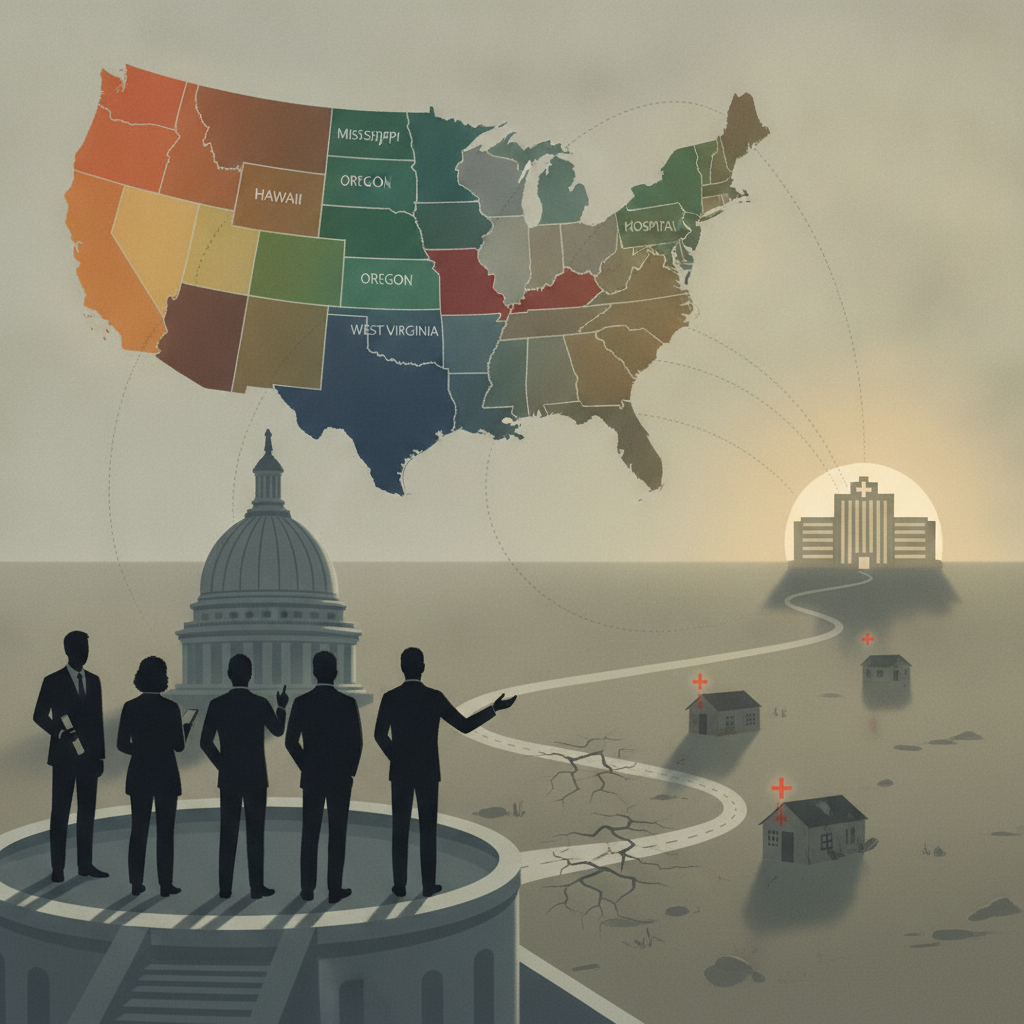
Representative Jill Tokuda of Hawaii introduced a bipartisan House resolution recognizing National Rural Health Day 2026. Joined by lawmakers from Mississippi, Oregon, and West Virginia, the measure spotlights healthcare access barriers and workforce shortages in rural communities nationwide.


Last updated:
Key points
- Rep. Jill Tokuda introduced H. Res. 1673 on November 19, 2026, to recognize National Rural Health Day.
- The bipartisan House resolution has 29 original cosponsors, including 21 Democrats and eight Republicans.
- The non-binding resolution spotlights medical access barriers and workforce shortages in rural American communities.
NewsWK — Federal lawmakers in Washington are bringing renewed attention to growing healthcare challenges across small-town America. On November 19, 2026, House members introduced a new bipartisan measure. It honors medical providers in remote communities. Furthermore, this action underscores widespread concerns about facility closures, workforce shortages, and rising medical expenses outside major urban centers.
What is the National Rural Health Day resolution?
The National Rural Health Day resolution is a bipartisan House measure. It expresses formal congressional support for healthcare providers and patients in non-metropolitan areas. Lawmakers introduced the measure on November 19, 2026, to recognize distinct medical challenges in rural America. Additionally, it honors frontline workers who deliver care across remote communities.
Representative Jill Tokuda, a Hawaii Democrat, introduced H. Res. 1673 during the second session of the 119th Congress. A total of 29 original cosponsors joined the effort on its launch date. Specifically, the group includes 21 Democrats and eight Republicans. Representatives Bennie Thompson of Mississippi, Carol Miller of West Virginia, and Andrea Salinas of Oregon signed on as initial supporters. Next, House leadership referred the measure to the House Committee on Energy and Commerce for further review.
What does the measure mean for rural patients across the nation?
For millions of Americans in rural areas, this federal focus highlights urgent daily challenges. Small-town residents frequently travel longer distances and wait extended periods for appointments. Moreover, they pay higher out-of-pocket costs for routine care. Although symbolic, official recognition draws attention to systemic facility closures and persistent clinical staffing shortages.
Rural communities often face unique geographic and financial barriers to specialized medical services. Consequently, Patients Must Drive long hours to reach regional medical centers for routine checkups or emergency care. Local clinics also struggle to recruit qualified doctors, nurses, and technicians. Meanwhile, operational costs continue to rise for independent practices. As a result, small hospitals frequently face budget shortfalls.
Support for the initiative reflects broad geographic representation across the country. Specifically, the following key elements outline the primary objectives of the legislative effort:
- Recognize November 19, 2026, as National Rural Health Day across the United States.
- Highlight the dedication and resilience of rural healthcare providers facing severe resource constraints.
- Elevate rural healthcare access as an ongoing priority for federal policymakers.
How does a House resolution rural healthcare measure differ from binding laws?
A simple House resolution rural healthcare expression carries symbolic weight. However, it does not possess the force of federal law. It creates no new mandatory spending programs and does not alter statutory regulatory rules. Instead, lawmakers use these resolutions to signal policy priorities and build momentum for future binding legislation.
Simple resolutions operate exclusively within one chamber. Therefore, H. Res. 1673 does not require Senate approval or the president’s signature. Consequently, it cannot directly allocate federal taxpayer dollars to rural hospitals or alter Medicare reimbursement rates. Nevertheless, legislative advocates use such measures to build coalition support across party lines. By demonstrating bipartisan agreement on basic principles, sponsors lay the groundwork for future statutory reforms.
Why are lawmakers focusing on rural healthcare access bill proposals in 2026?
Lawmakers are increasingly prioritizing healthcare infrastructure as rural hospital closures create medical deserts across America. While commemorative resolutions draw attention to the problem, Congress faces growing pressure to pass a meaningful rural healthcare access bill. Structural reforms, flexible regulations, and sustainable funding models remain essential to keeping small-town clinics open.
The Rep Jill Tokuda rural health initiative arrives at a critical moment for community health systems nationwide. Conservative analysts and rural advocates often emphasize that top-down federal mandates can inadvertently burden smaller providers. For example, excess compliance costs and rigid rules frequently harm independent facilities far more than large urban networks. Thus, policy leaders emphasize market-oriented solutions. These include reducing regulatory red tape and expanding interstate practice flexibility.
Furthermore, telemedicine technologies offer promising opportunities to bridge distance gaps without creating massive new bureaucracy. Remote diagnostics allow local doctors to consult specialists instantly. However, reliable broadband infrastructure must exist for these digital tools to function effectively. Ultimately, representatives in both parties acknowledge that long-term stability requires combining regulatory relief with private sector innovation.
When was National Rural Health Day 2026 recognized in Congress?
Congress formally acknowledged National Rural Health Day 2026 on Thursday, November 19, 2026. Representative Jill Tokuda of Hawaii introduced the resolution alongside 29 original cosponsors. This annual observance provides a platform for federal legislators. Specifically, it allows them to reaffirm their commitment to strengthening essential medical infrastructure in remote areas.
Similar commemorative resolutions passed in previous congressional sessions with broad bipartisan backing. Historically, Senate and House members have used the annual designation to spotlight rural health advocates. Meanwhile, committee deliberations continue in the House Committee on Energy and Commerce. At the same time, lawmakers continue drafting broader policy proposals to support rural medical access.
This article was produced with the assistance of AI and reviewed by our editorial team.
Sources
Related: Study Examines Women on Parole Mental Health and Reentry Crises Across the US
Related: House Resolution 1499 Clears Way for Critical Votes on Mining, Higher Education, and Maritime Rules
Related: Congress Receives New Legislation Aimed at Local Health Care Protection
Related: Rural Maternity Care Faces Growing Strain Across the United States as Hospital Distances Mount
Related: LGBTQ Healthcare Survey Highlights How Economic Factors and Insurance Gaps Impact Medical Care
Related: Private Equity Healthcare Acquisitions Slow Across the Nation as States Ramp Up Oversight