National News
COP31 Climate Summit Collapse Triggers Scrutiny Over UN Voting Rules and Millions in Taxpayer Spending
Failure of Cop31 prompts calls for urgent reform of UN climate summits Climate change talks fall apart in final hours over fossil fuels COP31 Talks Collapse in Turkey in a Clash Over Fossil Fuels Global climate summit collapses as countries…


Last updated:
Key points
- The COP31 UN climate summit in Antalya, Turkey ended in total collapse after 49 hours of overtime without a final agreement.
- Negotiations deadlocked over consensus voting rules as petrostates and European nations clashed over fossil fuel transition language.
- The failure sparked widespread calls for UN climate summit reform and heavy political scrutiny over taxpayer costs.
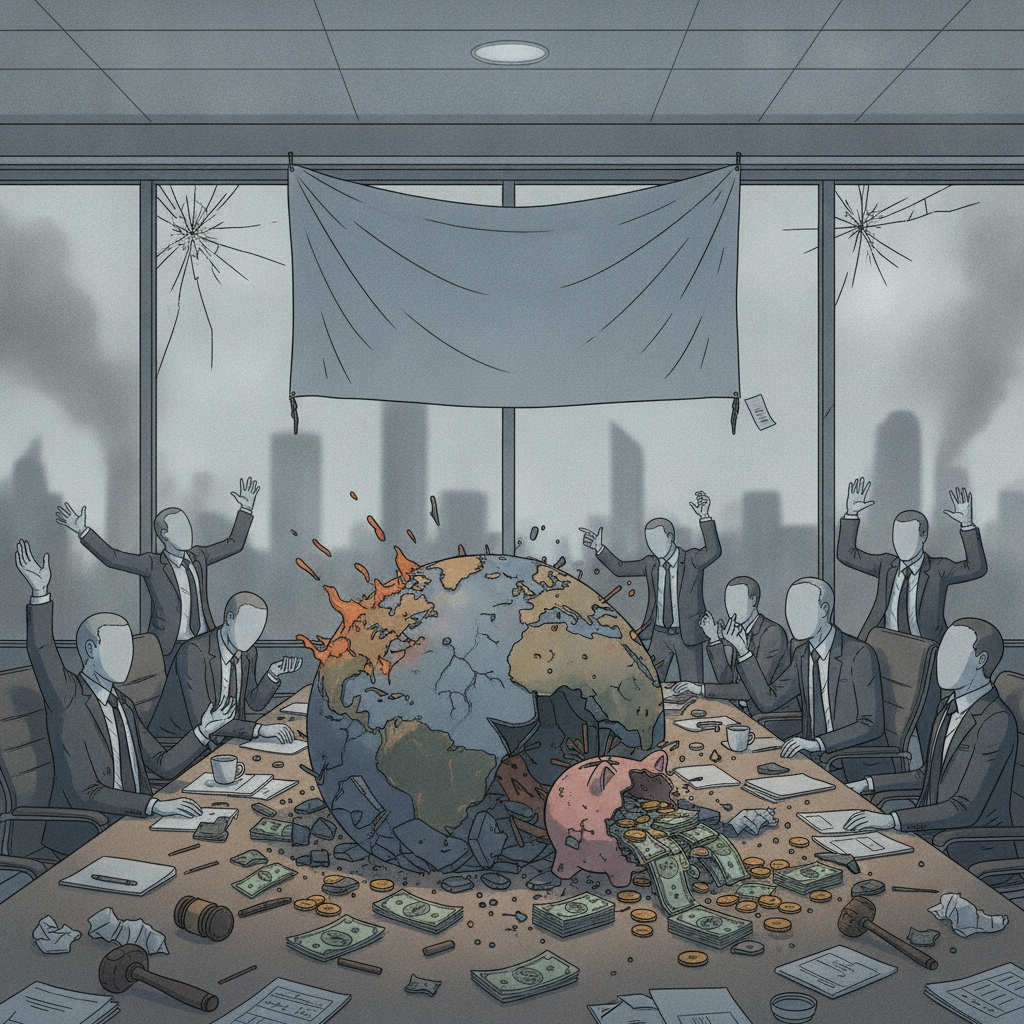
NewsWK — The UN climate change conference 2026 concluded without a final agreement on Sunday. Talks broke down in Turkey after delegates debated for more than 49 overtime hours. Eventually, leadership adjourned the meeting without a joint declaration. Consequently, the gathering became the longest UN climate conference on record. However, the impasse leaves global climate policy in deep uncertainty. It also raises fresh questions about high-cost international summits.
What does the summit failure mean for American energy and taxpayers?
The absence of a U.S. delegation highlights a growing policy split. International diplomatic forums clash with domestic energy production goals. While foreign governments spent tens of millions of dollars on the gathering, American officials avoided binding global commitments.
For the second consecutive year, the United States sent no official delegation under the Trump administration. Meanwhile, other countries spent massive public sums to participate. For example, Australia allocated A$150 million toward co-hosting the event. That equals roughly $99.23 million in U.S. currency.
Because no agreement passed, American energy producers face no new international regulatory pressures from the gathering. However, lawmakers in participating nations now face heavy public backlash over the spent funds. Australian Opposition Leader Angus Taylor criticized the event as a massive flop. Consequently, he demanded the immediate resignation of Australian Climate Change Minister Chris Bowen. Prime Minister Anthony Albanese later defended the costs by citing difficult geopolitical times.
Why did negotiations break down during COP31 Antalya Turkey?
Negotiations collapsed because the UN requires unanimous consent among nearly 200 participating nations to pass binding documents. Oil-producing countries refused to accept language restricting fossil fuel usage. Meanwhile, European delegates rejected drafts that omitted those terms entirely. Therefore, this structural impasse prevented any final compromise after two days of extended talks.
More than 92,000 registered participants gathered in Antalya, Turkey, for the two-week conference. The event ran two days over schedule before closing on November 22, 2026. Turkish Environment Minister Murat Kurum served as COP31 President during the marathon negotiations. However, leaders failed to build consensus on the proposed final document, known as the Antalya pact.
Tensions peaked when major oil-exporting nations rejected mandatory language targeting traditional energy sources. Specifically, Saudi Arabia and Russia led opposition against proposed phase-out mandates. Conversely, the 27-nation European Union, the United Kingdom, and several Pacific island nations demanded fossil fuel references. They refused to support a final draft that omitted those terms. Ultimately, Kurum closed the plenary session without adopting a decision text. “We recognize that there is no consensus on this document. Therefore, these decisions have not been adopted,” Kurum stated to the assembly.
How does the COP31 fossil fuel dispute highlight institutional flaws?
The COP31 fossil fuel dispute revealed how easily single factions can block broad global agreements. Current consensus mandates give every country equal veto power. Consequently, major energy producers can halt proceedings over contested phrasing. Critics argue this setup produces costly gridlock rather than practical economic solutions or achievable conservation goals.
The gridlock marked the first complete breakdown of a UN climate conference since the 2009 Copenhagen summit. Prominent figures quickly criticized the outcome. They also questioned the structure of international climate negotiations. Former U.S. Vice President Al Gore called the deadlock an outrage. Furthermore, he noted that a small group of petrostates effectively holds veto power over global policy choices.
Outgoing UN Secretary-General António Guterres expressed deep dismay that governments could not agree on common language. Meanwhile, UN climate chief Simon Stiell defended the consensus process. Specifically, he cited past successes like the 2015 Paris Agreement. Still, even defenders admitted that the Antalya talks failed to deliver meaningful progress.
Is UN climate summit reform necessary after Antalya?
Analysts and political leaders now question whether massive international conferences remain practical decision-making tools. Years of incremental talks have repeatedly struggled to reconcile conflicting national economic interests.
Policy experts argue that summits with tens of thousands of delegates create bureaucratic spectacle without real results. Instead of negotiating symbolic promises, critics want future meetings to shift focus. They demand greater attention on accountability and implementation.
The outcome in Turkey underscores key challenges facing global diplomatic gatherings:
- Extreme Overtime: Talks exceeded scheduled deadlines by more than 49 hours without reaching a consensus.
- High Financial Costs: Host nations spent nearly $100 million in taxpayer funds on conference logistics.
- Unanimous Veto Power: A single bloc of nations can block final text under UN rules.
National leaders are now evaluating the COP31 climate summit collapse. Consequently, calls for UN climate summit reform continue to gain traction among taxpayers and foreign policy realists alike.
This article was produced with the assistance of AI and reviewed by our editorial team.
Related: Federal Judge Strikes Down New York Climate Superfund Law in Major Ruling
Related: Turkey Human Rights Promotion Act Introduced in U.S. House of Representatives