Health News
What New CDC RSV Vaccine Pregnant Women Data Reveals
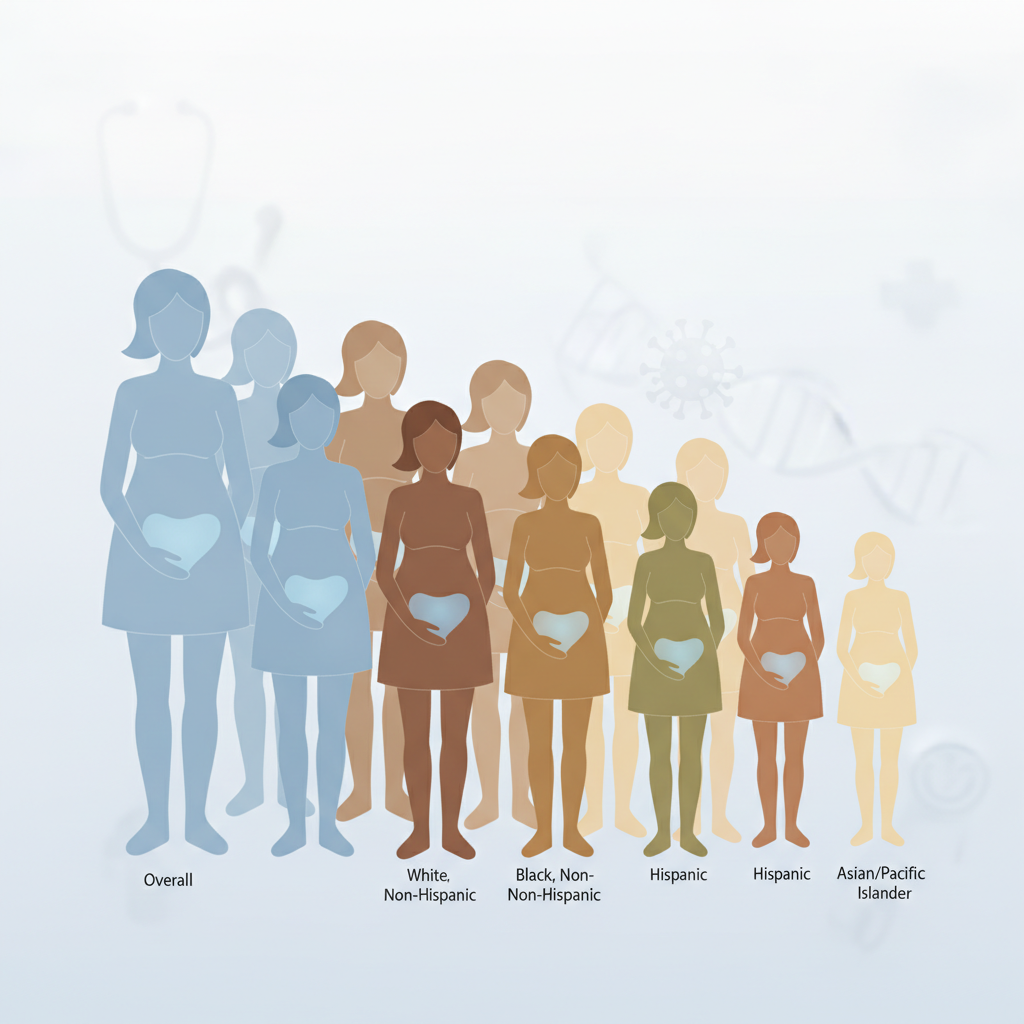
Percent of Pregnant Women Ages 18-49 Years Vaccinated with Respiratory Syncytial Virus (RSV) Vaccine Overall and by Race and Ethnicity | Data | Centers for Disease Control and Prevention


Last updated:
Key points
- Federal agencies updated weekly public data tracking maternal RSV immunizations for expectant mothers aged 18 to 49.
- The dataset utilizes electronic health record information drawn directly from the Vaccine Safety Datalink.
- Coverage figures break down immunization rates overall as well as by race and ethnicity demographic categories.
NewsWK — Federal health agencies released updated statistical tracking regarding respiratory health choices for expectant mothers across America. On November 20, 2026, federal officials updated public records on the official Data.CDC.gov system to reflect new figures.
What do pregnant women RSV vaccination rates reveal nationwide?
Federal records show weekly trends for maternal immunizations across the United States. Therefore, health analysts track these metrics to evaluate uptake among expectant mothers aged 18 to 49 years old. The dataset provides clear public visibility into seasonal maternal healthcare choices for American families.
This official public health repository operates under the U.S. Department of Health and Human Services. The federal catalog uses electronic health records to monitor immunizations effectively. In addition, officials index this dataset across HealthData.gov and Data.gov under dataset identifier v2ti-m2tx.
How does CDC RSV data race ethnicity tracking affect public health?
Federal researchers monitor demographic variations to better understand healthcare delivery patterns nationwide. However, the tracking system relies strictly on digital medical records collected from participating clinical sites. Because accurate reporting informs public policy, federal agencies organize these records under the Pregnancy and Vaccination program category.
Why is RSV vaccine coverage pregnancy monitoring important for families?
Healthcare providers utilize weekly updates to observe medical decisions among diverse patient populations. Meanwhile, the Vaccine Safety Datalink supplies the underlying electronic health record information for these federal calculations. Also, this database tracks maternal immunizations continuously across participating healthcare networks. As a result, parents and researchers can view consistent public health metrics nationwide. Next, analysts examine these ongoing updates to ensure complete data integrity.
This article was produced with the assistance of AI and reviewed by our editorial team.
Related: CDC RSV Vaccination Rates Adults 75 and Older Tracking Updated by Federal Officials
Related: CDC Vaccination Trends Report Highlights New Data Schedules and Recommendations