National News
US Blacklists Alibaba Company as Federal Officials Tighten AI Chip Export Controls
US Blacklists Alibaba-Owned Company in Setback to AI Ambitions From Chinese Factory Town to the Nvidia Scandal: The Rise of Alice Huang US blacklists Alibaba subsidiary and Megaspeed linked to Nvidia scandal US targets chip smuggling to China after Huang’s…


Last updated:
Key points
- The U.S. Commerce Department added Alibaba subsidiary Apex Enterprise Solutions and seven Megaspeed-related firms to the U.S. Entity List.
- Federal officials cited significant risks of diverting advanced American artificial intelligence microchips to unauthorized end users in China.
- Future export license requests for these listed companies face a strict presumption of denial by federal interagency reviewers.
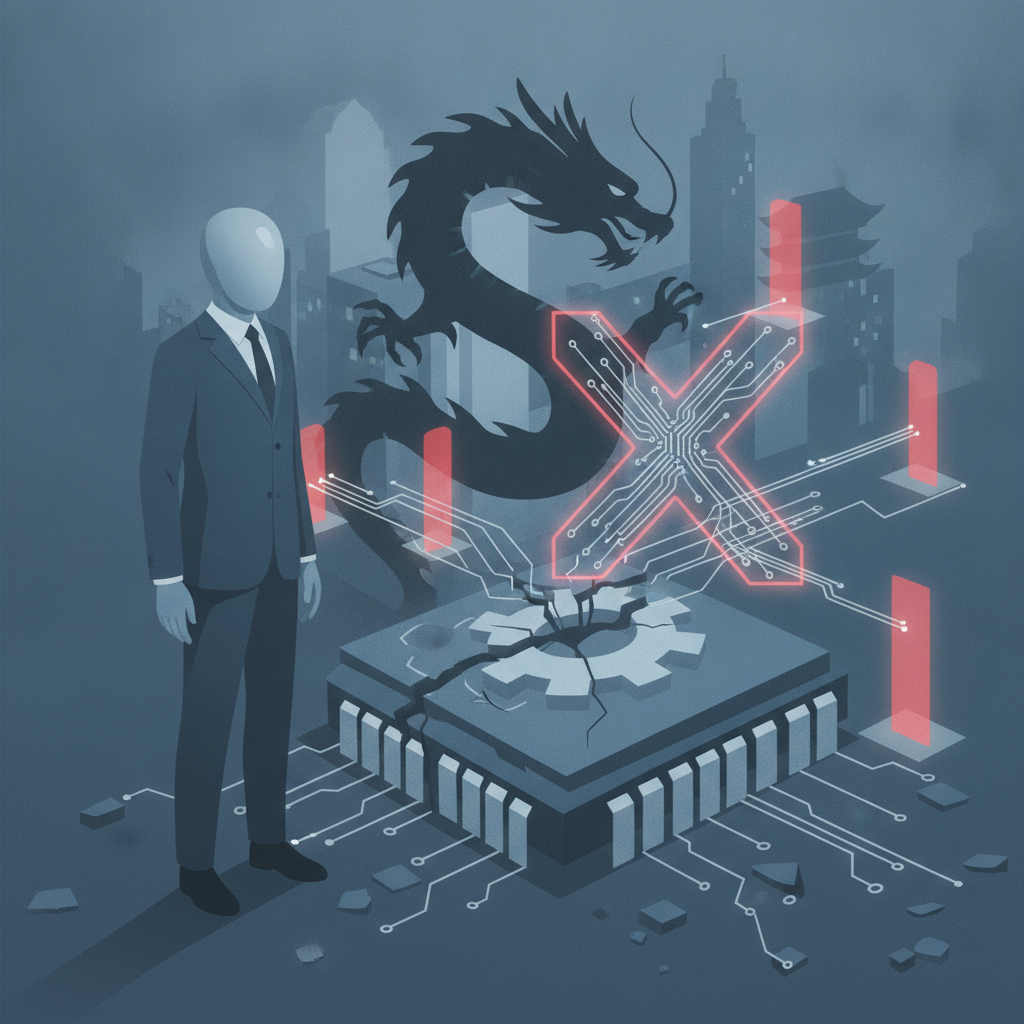
NewsWK — On November 23, 2026, the U.S. Commerce Department formally updated the federal trade blacklist. Specifically, officials added an Alibaba Group subsidiary and seven foreign microchip entities. Regulators cited serious national security risks involving illicit technology transfers.
What does the federal tech ban mean for American technology security?
Federal officials designed the export sanctions to block unauthorized access to advanced artificial intelligence chips. By cutting off access to restricted American semiconductors, federal enforcement agencies protect national security interests. Consequently, American technology companies must strengthen compliance measures. They must also audit foreign supply chains to prevent illegal technology transfers overseas.
The new restrictions place severe limits on how foreign firms access American semiconductor technology. Moving forward, suppliers must obtain explicit federal licenses before exporting or transferring controlled items to any listed company. However, federal regulators evaluate these license requests under a strict presumption of denial. This policy effectively halts standard technology deliveries to listed firms.
The rules include a temporary 30-day savings clause for existing shipments. For instance, cargo already en route on the publication date may proceed to its destination. Shippers must complete these deliveries within 30 days. Still, the long-term impact cuts off unauthorized pathways for advanced microprocessors.
Why did the US Entity List Alibaba Megaspeed designations happen?
The U.S. Commerce Department added eight foreign entities to the U.S. Entity List after identifying significant risks. Federal authorities concluded that these companies presented severe risks. Specifically, officials feared the firms would divert advanced computing components to unauthorized users in China. Therefore, interagency reviewers applied a strict presumption of denial for future export licenses.
Julia Khersonsky signed the final regulatory order on November 23, 2026. Subsequently, the Commerce Department set formal publication in the Federal Register for November 25, 2026. Five federal cabinet agencies participated in the decision. Specifically, the End-User Review Committee includes officials from Commerce, State, Defense, Energy, and Treasury.
The sanctions target key technology hubs across Southeast Asia. In total, the listed entities include three firms based in Singapore, three in Malaysia, and one in Thailand:
- Apex Enterprise Solutions (Singapore) Private Limited (an Alibaba Group subsidiary)
- Megaspeed International Pte. Ltd. (Singapore)
- Swiftdata Pte. Ltd. (Singapore)
- MSFusion Sdn. Bhd. (Malaysia)
- PT Megaspeed International (Malaysia)
- Speedmatrix Sdn. Bhd. (Malaysia)
- Megaspeed (Thailand) Co., Ltd. (Thailand)
How do Commerce Department chip export controls impact international business?
Commerce Department chip export controls establish clear boundaries for multinational corporations operating overseas. United States law prohibits foreign businesses from routing sensitive computing gear to unauthorized regions.
How does the Megaspeed Nvidia chip scandal tie into national security?
The Megaspeed Nvidia chip scandal highlighted dangerous loopholes in global technology supply chains. Federal investigators scrutinized allegations that high-powered Nvidia artificial intelligence chips reached unauthorized Chinese buyers through third-party intermediaries. Because these advanced microprocessors power sophisticated computing systems, federal regulators moved decisively to shut down illegal trade routes.
The scandal sparked widespread industry shockwaves earlier this year. For example, controversies surrounding chip diversion previously prompted the temporary resignation of Nvidia Chief Executive Officer Jensen Huang. Meanwhile, federal investigators probed Alice Huang, a former senior executive and controlling shareholder at Megaspeed. Specifically, agents examined her alleged ties to Chinese intelligence networks.
Megaspeed firmly denied all allegations of illegal activity. Furthermore, corporate representatives maintained that the firm fully complied with all existing trade laws. However, federal authorities determined that the risk of technological diversion required immediate placement on the Entity List.
What background led to federal sanctions against Alibaba subsidiary Apex?
Federal regulators have increasingly monitored corporate subsidiaries operating in Southeast Asia. Alibaba established Apex Enterprise Solutions to secure computing infrastructure in Singapore. However, federal interagency oversight bodies determined that third-party routing posed unacceptable national security risks. Ultimately, this decision placed Alibaba AI ambitions US sanctions concerns at the center of enforcement.
Alibaba established Apex Enterprise Solutions specifically to procure server capacity and computing resources in Southeast Asia. When regulators announced the sanctions, Alibaba strongly disputed the federal designation. In response, the company claimed that Apex “has never diverted advanced computing chips subject to U.S. export restrictions.”
s to preserve rule of law and defend national security.
This article was produced with the assistance of AI and reviewed by our editorial team.
Related: Commerce Department Megaspeed Blacklist Enforces Strict Export Control Protection
Related: Trump AI Chip Export China Approvals Face Scrutiny as Commerce Discloses Licensing Records