Local Business
Trump AI Chip Export China Approvals Face Scrutiny as Commerce Discloses Licensing Records
Trump administration approved shipment of nearly 900,000 AI chips to China Trump’s AI Chip Crackdown Inflicts Collateral Damage Across Asia Trump says he discussed Jensen Huang with Xi; Bessent tells CNBC Nvidia chip export policy is unchanged Officials approved the…


Last updated:
Key points
- Federal records reveal the Bureau of Industry and Security approved nearly 880,000 AI chips for export to Chinese companies between late 2025 and mid-2026.
- Recipient firms include major entities listed on the Department of War threat roster, raising congressional security concerns.
- Commerce Secretary Howard Lutnick and former Nvidia CEO Jensen Huang face upcoming Senate committee testimony and congressional inquiries.
NewsWK — Federal officials approved major computer hardware transactions with overseas technology firms during early 2026. U.S. House Foreign Affairs Committee Chairman Brian Mast released confidential records on November 19, 2026. These documents revealed details from the U.S. Department of Commerce’s Bureau of Industry and Security.
How did the BIS AI chip export approved China cases reach nearly 900,000 units?
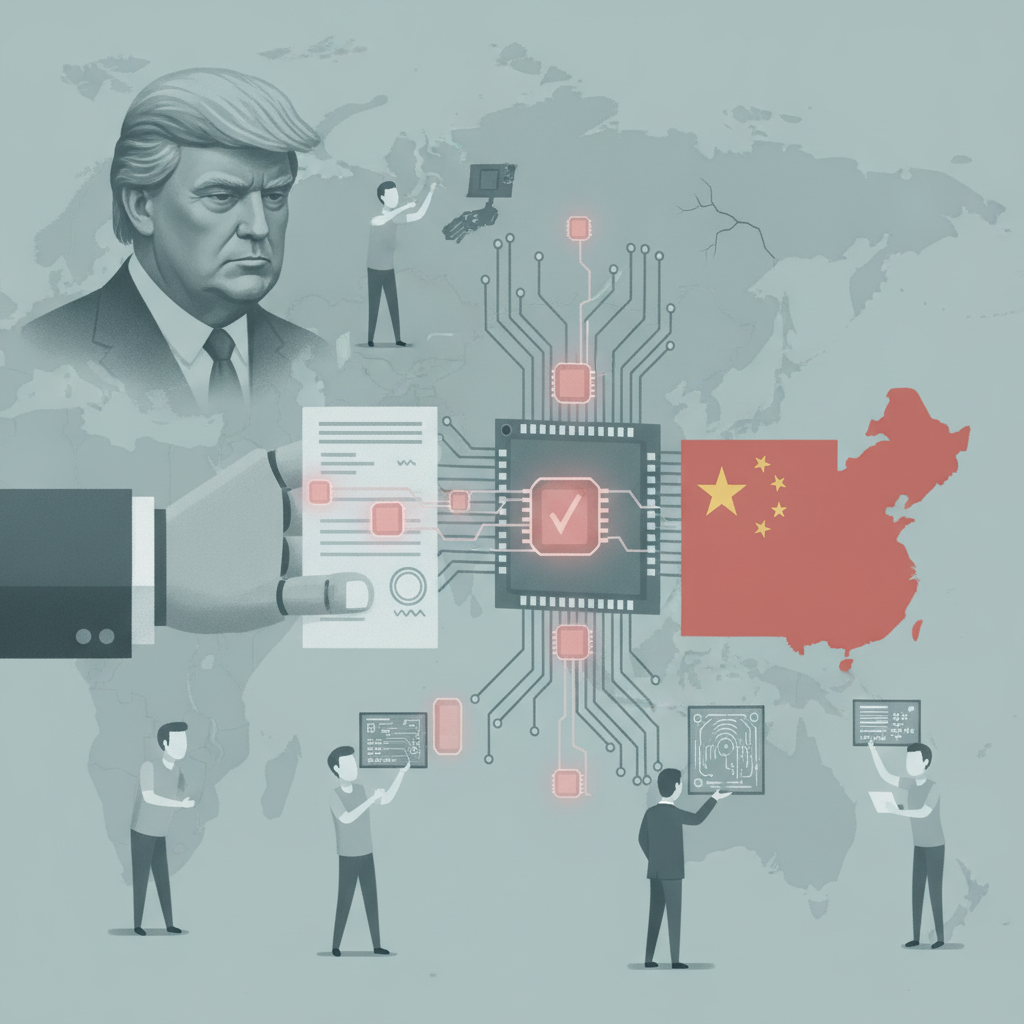
Federal records show the Bureau of Industry and Security approved 21 export licenses between December 2025 and May 2026. These permits authorized U.S. chipmakers to send 879,868 advanced artificial intelligence processors to Chinese technology companies.
American companies submitted applications to sell 3.44 million advanced processors during that six-month window. However, federal regulators authorized only a fraction of those requests. The approved licenses covered Nvidia H200 processors and Advanced Micro Devices MI325X chips. Specifically, officials allowed nearly 580,000 Nvidia processors under a revenue-sharing program.
Records indicate that actual hardware deliveries remain uncertain. For example, several approved applications carry the status of approved but not shipped. Nvidia confirmed its limited transactions complied with federal rules. However, the company halted further H200 shipments. Consequently, about 600,000 units remain held in Hong Kong pending review.
What does the Trump administration Nvidia export policy mean for American economic security?
Policy leaders are evaluating how domestic technology leadership balances against foreign military risk. Domestic chipmakers generate vital revenue from international sales. However, lawmakers warn that supplying key hardware to foreign conglomerates on defense threat rosters could undermine long-term national security priorities.
The license disclosures listed major technological firms as recipients of the approved hardware. Crucially, federal defense records place these parent entities on the Department of War threat roster due to military ties.
The primary corporate allocations included:
- Tencent Holdings Ltd.: 150,000 advanced units approved
- Alibaba Group Holding Ltd.: 75,000 advanced units approved
- Baidu Inc.: 43,000 advanced units approved
- BYD Co. Ltd.: 4,000 advanced units approved
Furthermore, Chairman Mast stated that federal regulators approved sales to questionable recipients. He noted these entities were fake front companies designed for smuggling. Therefore, congressional leaders argue that border controls must extend to domestic technological intellectual property.
What did Scott Bessent Nvidia chip exports statements clarify about current enforcement?
Executive officials insist existing guardrails adequately protect American technology from military diversion. Recent executive actions blocked foreign entities from remotely accessing advanced computing power through overseas data centers. Administration leaders argue this step resolves major loopholes without requiring broad sales bans.
On November 16, 2026, federal officials enacted restrictions on remote cloud access. Secretary of State Marco Rubio guided the National Security Council and Treasury Department on the policy. Additionally, Treasury Secretary Scott Bessent reviewed trade conditions during a trip to Shenzhen. Later, Bessent confirmed that “proper chip restrictions are in place” during a television interview.
Why are lawmakers focusing on Nvidia AI chips China export rules?
Congressional leaders want strict oversight over microchip delivery schedules and executive communications. Roughly 600,000 Nvidia units remain stranded in Hong Kong following export pauses. Because of this backlog, lawmakers seek clear timelines on whether authorized shipments will proceed or face permanent prohibition.
President Donald Trump addressed the commercial relationship during a White House press conference on November 20, 2026. Specifically, Trump recalled discussions with Chinese President Xi Jinping regarding former corporate leadership. Trump stated he “would love to see Jensen be given a second chance” after executive leadership changes. Meanwhile, administration staff clarified that leaders spoke during separate diplomatic discussions.
Who will face congressional questioning over foreign chip sales?
Cabinet officials and corporate leaders face upcoming hearings before Capitol Hill oversight committees. Commerce Secretary Howard Lutnick agreed to testify before the Senate Banking Committee. Meanwhile, former corporate executives face closed-door interviews regarding foreign intelligence risks and supply chain controls.
The export debate coincides with major corporate restructuring inside domestic tech firms. Founder Jensen Huang resigned from Nvidia after 33 years following intelligence and personal misconduct investigations. Investigators highlighted connections to Megaspeed, a firm suspected of routing cloud access abroad. Subsequently, Colette Kress stepped in as interim chief executive. Meanwhile, Board Chairman Harvey Jones confirmed the board will not reinstate former leadership.
This article was produced with the assistance of AI and reviewed by our editorial team.
Sources
Related: House Resolution 1499 Clears Way for Critical Votes on Mining, Higher Education, and Maritime Rules
Related: Study Examines Women on Parole Mental Health and Reentry Crises Across the US
Related: Alice Huang Nvidia China Spy Agency Investigation Triggers Federal Probes Over AI Technology