State Politics
Local Health Agencies Across U.S. Face Strain Amid Federal Funding Cuts and Rising Outbreaks
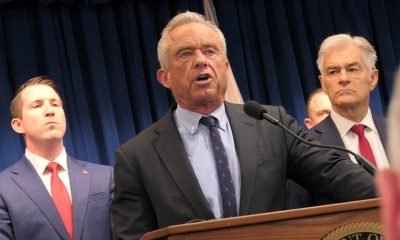
WASHINGTON — Health and Human Services Secretary Robert F. Kennedy Jr. pledged during his confirmation hearing to do everything in his “power to put the health of America back on track.” Kennedy testified that when he worked as a lawyer…

Key points
Local Health Agencies Across U.S. Face Strain Amid
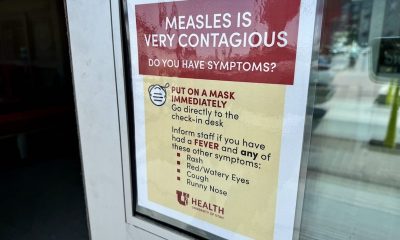
- Recent surges in measles, tick bites, and mosquito-borne viruses are testing public health infrastructure across the country.
- Federal budget adjustments and staffing reductions at the CDC have shifted greater financial responsibility for outbreak containment onto state and local governments.
- Experts attribute rising disease numbers to a combination of environmental factors, updated diagnostic reporting, and falling local vaccination rates.
WASHINGTON NewsWK — State and local health departments across the United States are managing an uptick in infectious disease cases, ranging from measles to mosquito- and tick-borne illnesses, as federal health policies undergo major shifts under Department of Health and Human Services (HHS) Secretary Robert F. Kennedy Jr.
According to a report first published by Stateline, public health researchers and state officials report that a convergence of weather patterns, shifting vaccination trends, and federal budget adjustments has heightened the burden on local health authorities. Recent months have seen surges in West Nile virus, elevated emergency room visits for tick bites, cyclospora infections, and agricultural threats including avian influenza and screwworm in cattle.
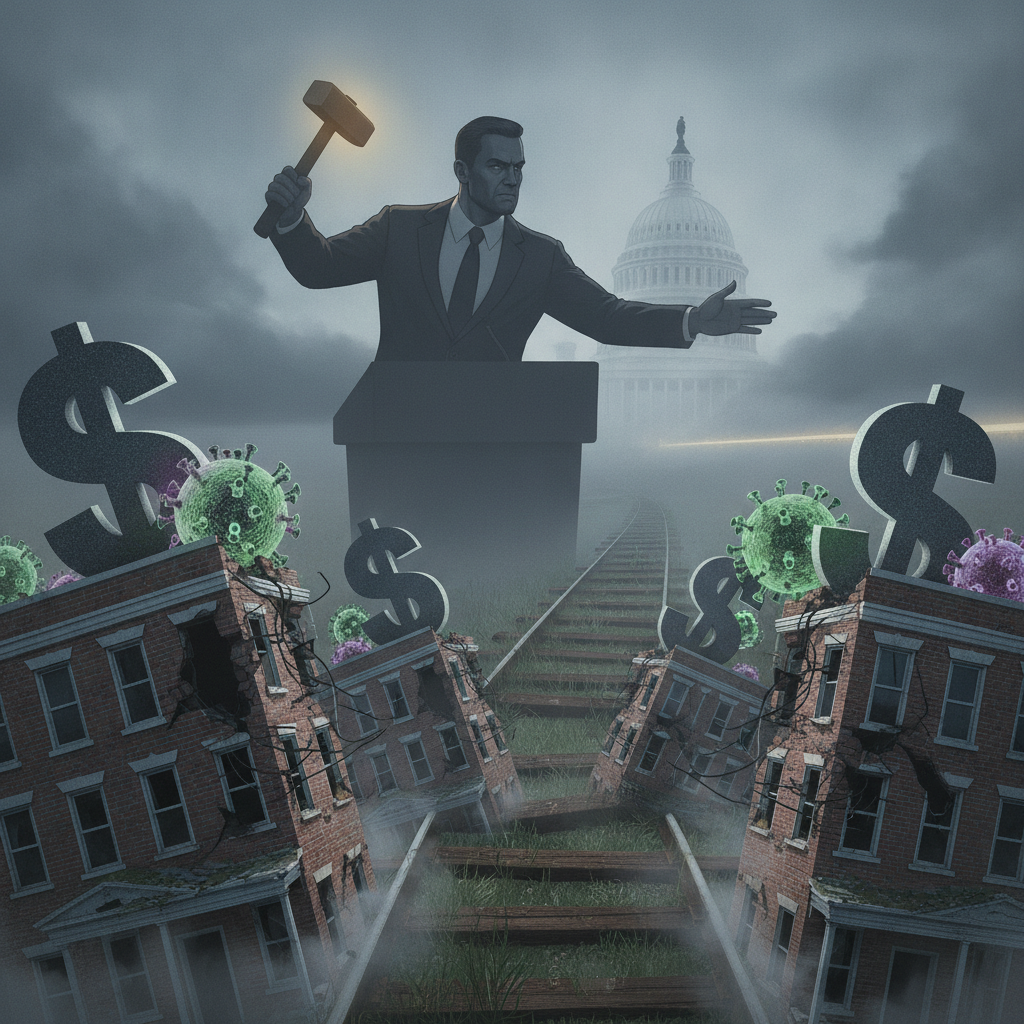
Federal Budget Adjustments Shift Burden to States
The Centers for Disease Control and Prevention (CDC) has experienced reduced funding and staffing levels as part of broader administrative reorganizations. Because state and municipal health departments rely heavily on federal block grants and targeted funding to maintain monitoring and outbreak containment, these reductions directly impact local operations.
American Public Health Association CEO Dr. Georges C. Benjamin explained the financial dependency created by federal funding models. As Benjamin told Stateline,
"Half of both state and local health department budgets are from federal dollars. Some whole programs are almost 100% federally funded… So when the feds abruptly decide not to fund something, the money just goes out the door."
The reduction in federal oversight has also extended to international monitoring programs that track emerging pathogens abroad before they reach domestic shores. While federal leaders have advocated for streamlined agency operations under the Make America Healthy Again initiative, public health analysts note that sudden funding cuts force local communities to absorb the immediate costs of containment.
Multiple Factors Drive Outbreak Numbers
In addition to administrative changes, experts emphasize that environmental and structural factors play a significant role in recent disease trends. Weather shifts associated with El Niño have created expanded breeding grounds for vectors like mosquitoes, contributing to earlier seasonal increases in West Nile virus cases. State health departments also note that modernized reporting systems, improved genetic sequencing, and broader testing criteria have led to higher recorded numbers of infections that previously went uncounted.
On the issue of preventable illnesses like measles, researchers point to declining immunization rates in several communities. Dr. Amesh A. Adalja, a senior scholar at the Johns Hopkins Center for Health Security, told Stateline that
"In measles, it's less about public health burnout, rather, it's more about the anti-vaccine movement making inroads."
With federal authorities pursuing structural reforms, state and local leaders face the ongoing challenge of maintaining robust disease surveillance within tighter fiscal limits.
Based on reporting by Jennifer Shutt originally published by Stateline. Read the original story.