
Massachusetts
Federal Judge Issues Temporary Halt on Postal Service Mail Ballot Verification Rules
A federal judge froze for two weeks a Trump administration regulation to restrict mail voting late Thursday, calling the U.S. Postal Service rule a violation of states’ power to administer elections. U.S. District Judge Indira Talwani’s temporary restraining order reinstated a…

Last updated:
Key points
USPS mail ballot rules
- A federal judge issued a two-week temporary restraining order pausing a Trump administration regulation that restricted mail ballot delivery via new USPS verification rules.
- The policy would mandate new ballot envelope standards and require states to submit voter lists for federal citizenship checks before mail ballots could be handled.
- The federal government is expected to appeal the ruling as courts weigh state election administration powers against federal election integrity initiatives.
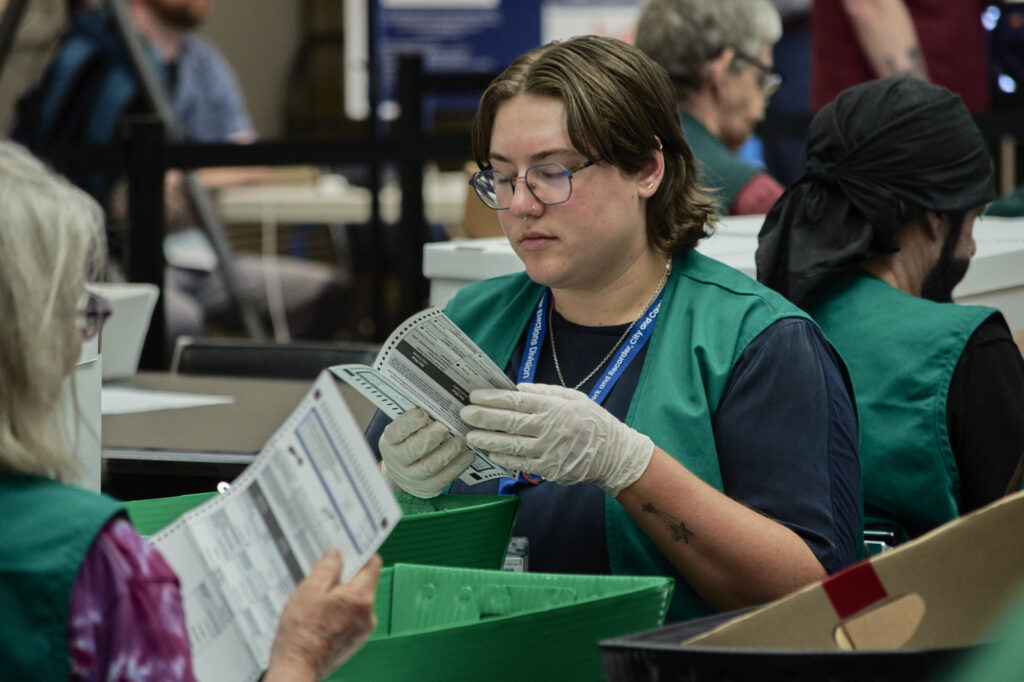
NewsWK — A federal district court in Massachusetts has placed a temporary two-week hold on a Trump administration regulation that introduced new federal verification requirements for mail-in ballots handled by the U.S. Postal Service. The decision marks the latest development in a high-stakes legal contest over the balance between federal election integrity measures and traditional state authority to manage election procedures ahead of the November midterm elections.
U.S. District Judge Indira Talwani issued the temporary restraining order late Thursday, pausing enforcement of the newly finalized Postal Service rule. The order came shortly after the administration began moving forward with implementation, following a procedural ruling earlier in the week from the U.S. Supreme Court that addressed the timing of initial challenges brought by state officials.
Why it matters here
For voters and election administrators across the United States, the legal battle touches the core mechanics of how tens of millions of Americans cast their ballots. Mail voting policies vary substantially across the country, with every state offering some version of absentee or mail-in voting, and eight states alongside Washington, D.C., mailing ballots directly to all registered voters.
Under the contested Postal Service regulations, states would be required to implement specific envelope design modifications and submit lists of voting-age citizens to federal authorities. Those voter rolls would then be cross-referenced against federal citizenship databases. Under the rule, the Postal Service would be prohibited from collecting or delivering mail ballots for individuals whose eligibility is not confirmed through the federal verification system.
Proponents of the policy argue that establishing nationwide safeguards and cross-referencing voter rolls with federal citizenship data provides critical transparency, bolsters confidence in election outcomes, and protects the integrity of the ballot box. Conversely, state election officials and local clerks contend that overhauling ballot materials, envelope specifications, and voter verification pipelines so close to an election presents severe logistical hurdles and risks widespread delays for lawful voters.
Federal Authority Versus State Election Administration
The core dispute centers on the division of constitutional responsibilities. Under Article I, Section 4 of the U.S. Constitution, states maintain primary authority over the times, places, and manner of holding federal elections, subject to congressional legislation. Opponents of the administrative rule, including roughly two dozen state attorneys general and various voting rights organizations, argue the executive branch exceeded its statutory and constitutional powers by utilizing the Postal Service to regulate voting eligibility.
In her Thursday ruling, Judge Talwani expressed skepticism regarding executive authority to mandate nationwide changes to state-level absentee processes. “The USPS’s interest in correcting an unsubstantiated problem through likely unconstitutional means is dwarfed by the overwhelming risk of pervasive disenfranchisement of citizens who need access to mail ballots in order to vote,” Talwani wrote in granting the temporary restraining order.
The federal government has maintained that the policy is a lawful and practical initiative designed to ensure that only eligible citizens participate in federal elections. In court filings and published agency guidance, the administration stated it was not usurping state administration of elections, but rather ensuring that a federal agency does not facilitate the transmission of unlawful ballots.
Procedural History and Upcoming Legal Steps
The swift issuance of the temporary restraining order follows a rapid series of procedural developments across federal courts. Earlier in the week, the Supreme Court had cleared a path for the policy by determining that an earlier lawsuit filed by state officials was premature, as the executive order had not yet been formally codified into a final Postal Service regulation.
However, the Postal Service had officially published its final rule on August 21. Following the Supreme Court’s procedural decision, plaintiffs promptly refiled their lawsuits to challenge the finalized regulation directly. In response, the administration published formal frequently-asked-questions guidance to prepare for implementation before Judge Talwani stepped in with the two-week injunction.
The federal government is widely expected to appeal the district court’s temporary restraining order to the federal appellate courts. As the November midterms draw near, county clerks, state election directors, and millions of mail-in voters nationwide await further clarification on which standards will govern ballot collection and delivery this fall.
This article was produced with the assistance of AI and reviewed by our editorial team.
Sources
Related: Supreme Court Lifts Injunction on Federal Mail-In Ballot Security Standards Ahead of Midterms
Related: North Carolina Mail-In Ballot Security Strengthened Under New Board Proposal
Related: Trump Election Assistance Commission Emptied Ahead of Midterms
Related: USPS Mail-In Voting Whistleblower Warns of Major Ballot System Disruptions
Related: Trump Election Investigations Raise Midterm Election Meddling Fears
Related: Democrats aim to emulate Republicans in building state power
Related: Sanctuary Policies Block Federal Jail Transfers as ICE Ramps Up Enforcement Across U.S. Communities
Related: Supreme Court mail in ballot ruling allows states to accept votes arriving after Election Day
Related: Supreme Court Mail In Voting Decision Halts Federal Election Changes Ahead of Midterms
See a typo? Report it here.