
California
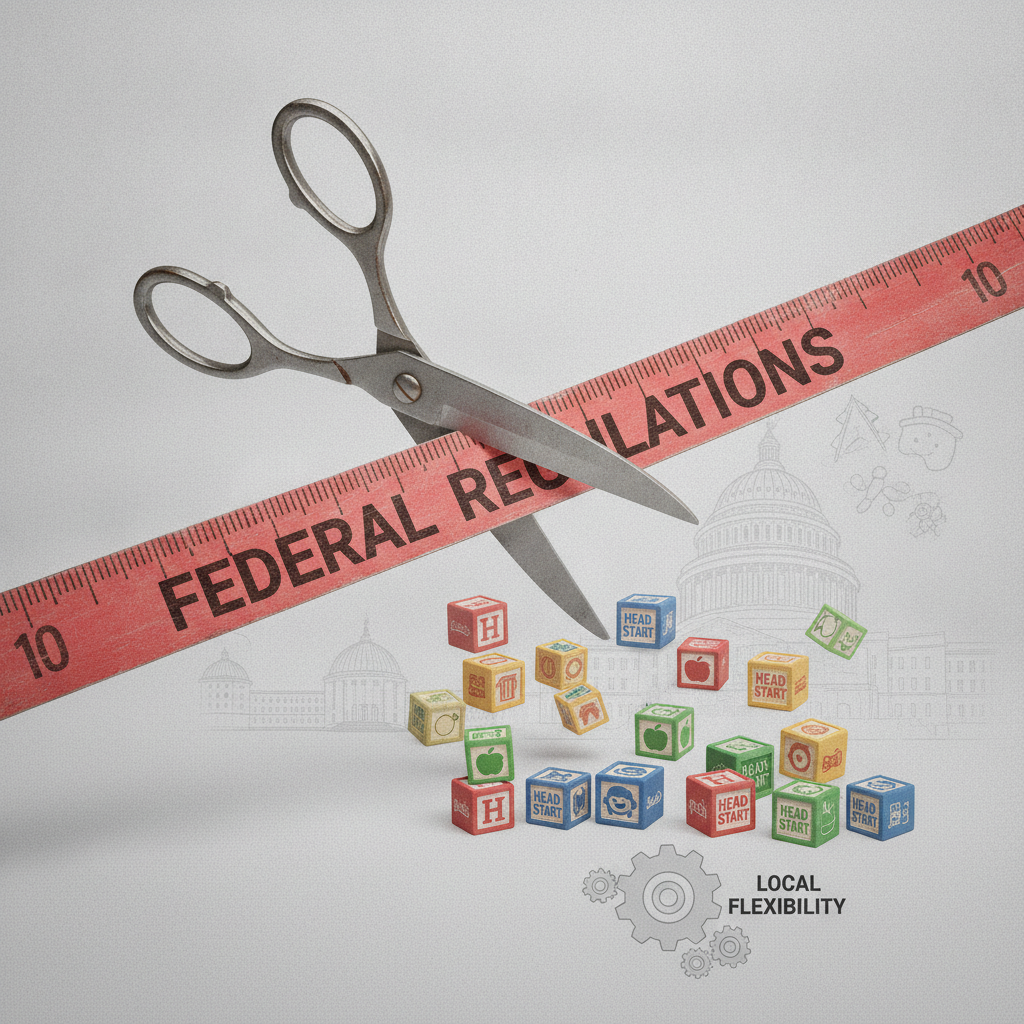
Trump Administration Proposes Cutting Federal Regulations on Head Start to Boost Local Flexibility
The Trump administration appears poised to gut the central policies that shape Head Start, a popular and long-established early childhood education program that serves the country’s neediest children. The Department of Health and Human Services announced the changes Thursday. The…

Last updated:
Key points
Trump Administration Proposes Cutting Federal
- The federal government proposes rolling back administrative regulations for Head Start to grant local providers more operational flexibility.
- HHS officials contend that easing mandates will reduce overhead costs and allow programs to better adapt to community-level needs.
- Advocates and policy experts remain divided over whether reducing federal guidelines will help providers expand access or affect long-standing program standards.
Federal Proposal Aims to Reduce Regulatory Burdens on Early Education Programs
NewsWK — The Trump administration is proposing major regulatory rollbacks for Head Start, aiming to reduce federal mandates and grant local operators greater flexibility in running the early childhood education program. According to a report first published by Stateline, the Department of Health and Human Services and the federal Office of Information and Regulatory Affairs intend to significantly streamline requirements that govern local Head Start providers across the nation.
Federal officials indicated the proposed regulatory relief is designed to ease administrative burdens on local organizations, allowing providers to tailor services to the specific needs of their communities. The plan, announced in late May, will undergo a formal review process before any final rules take effect, likely in 2027. In addition to reducing bureaucratic overhead, federal officials suggested exploring options to shift program funding mechanisms to state governments while enhancing physical exercise and nutrition guidelines for enrolled children.
Balancing Local Control and Program Guidelines
Under rules established since the program’s creation in 1965, Head Start federal grants flow to local school districts, nonprofits, and community organizations. Present rules dictate strict student-to-teacher ratios, specific staff qualifications, and mandatory screening services. Federal officials stated in their announcement that they expect the proposed rule reductions to be “well-received by Head Start programs, since they will welcome reduced burden and increased flexibility.”
Some early childhood policy experts acknowledge that administrative simplification could benefit struggling providers. Beth Meloy, an early childhood education consultant who previously worked on federal Head Start standards, noted that streamlining regulations can be helpful, as navigating extensive mandates can prove “overly burdensome for some local Head Start programs.”
However, early childhood advocates caution that removing federal mandates might lead to variations in program consistency. Melanee Cottrill, executive director of Head Start California, warned that reducing federal requirements could alter how local centers operate across the country. “Head Start will still exist, but it will be very different from what it is today,” Cottrill told Stateline.
Focus on Staffing and Community Needs
Head Start currently serves low-income families earning below $33,000 annually for a family of four, providing classroom instruction, meals, and health screenings. Nationwide, many local centers have faced operational hurdles and staffing shortages in recent years, making rigid federal requirements difficult for smaller providers to manage.
Proponents of the administration’s plan contend that returning decision-making power to local communities and states will help providers allocate resources more efficiently, address local labor constraints, and better serve families without federal micro-management.
Based on reporting by Carolyn Jones originally published by Stateline. Read the original story.