District of Columbia
Federal Court Halts HHS Overhaul of Teen Pregnancy Prevention Grants Amid Ongoing Legal Battle
A federal judge in the District of Columbia issued an order Wednesday blocking U.S. Health and Human Services from implementing sweeping changes to grants under the Teen Pregnancy Prevention Program while a lawsuit proceeds, but dozens of existing grants that…

Key points
Federal Court Halts HHS Overhaul of Teen Pregnancy
- A federal judge halted new HHS grant rules for the Teen Pregnancy Prevention Program while a lawsuit continues.
- The ruling leaves 53 previously canceled grants totaling roughly $70 million unrestored pending further legal determinations.
- The decision highlights ongoing constitutional and statutory debates over executive agency discretion versus congressional spending mandates.
NewsWK — A federal judge in Washington, D.C., has temporarily blocked the Department of Health and Human Services (HHS) from implementing major policy revisions to the national Teen Pregnancy Prevention Program, marking the latest legal clash over executive agency authority and congressional spending mandates.
U.S. District Judge Christopher Cooper issued the preliminary order halting the administration’s new grant criteria while a broader lawsuit works its way through the court system. However, the ruling does not immediately reinstate approximately $70 million across 53 grants that the federal agency terminated earlier this summer, leaving the immediate future of those specific funds in legal limbo.
The policy dispute began at the end of June, when HHS officials moved to terminate 53 of the program’s 67 active awards roughly two years ahead of their scheduled expiration dates. Federal officials stated at the time that the existing programs did not align with current administration priorities, raising concerns that certain educational initiatives normalized or encouraged sexual activity among minors.
Following the abrupt termination of those awards, three recipient organizations alongside an advocacy group filed suit in the U.S. District Court for the District of Columbia. In his decision, Judge Cooper concluded that the plaintiffs are likely to prevail on the merits of their statutory challenge, justifying an injunction against the department’s revised framework.
Why it matters here
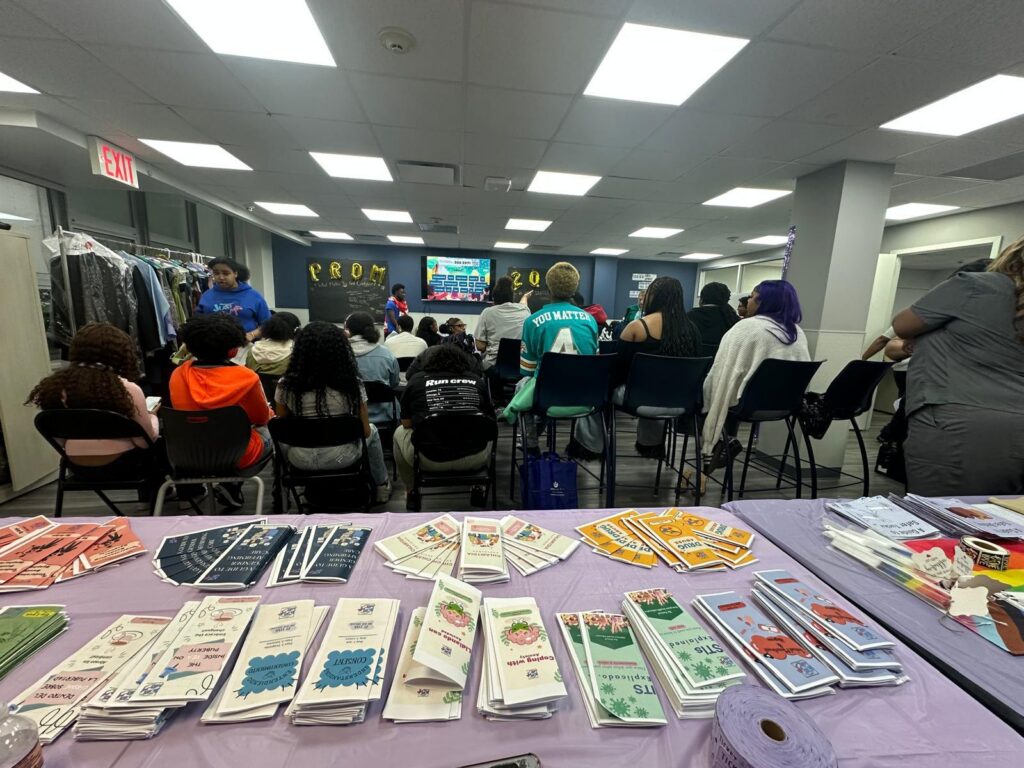
The legal standoff underscores fundamental questions regarding how much discretion federal agencies possess when administering programs established and funded by Congress. For communities across more than two dozen states—including Texas, Louisiana, Oklahoma, and New York—the outcome directly affects local health organizations, public school partnerships, and community providers that have historically relied on federal dollars to deliver relationship and family education.
At the center of the dispute is the balance between executive policy priorities and legislative intent. While the executive branch frequently adjusts grant guidelines to reflect administrative philosophies, statutory funding structures approved by lawmakers carry specific requirements that federal courts must enforce.
For taxpayers and local service providers, the immediate operational reality remains complicated. Even though the court restrained the department from moving ahead with its new grant structure, Judge Cooper noted that unresolved legal precedents constrain his ability to order the immediate restoration of the roughly $70 million in canceled funds. As a consequence, affected organizations must navigate ongoing budget disruptions while the litigation continues.
Background and legal context
Congress originally enacted the Teen Pregnancy Prevention Program in 2010 to finance evidence-based, community-level programs aimed at reducing adolescent pregnancy. Over the course of the program’s existence, national teen birth rates have dropped by roughly 72%, a long-term downward trend driven by multiple social, educational, and demographic factors.
Under the revised notices published by HHS, the agency sought to pivot federal awards away from standard curricula toward instruction focused on fertility tracking, body literacy, and personal reproductive goal planning. In challenging the overhaul, plaintiffs argued that the administration lacked statutory authority to unilaterally redefine the core parameters established by lawmakers.
In his memorandum opinion, Judge Cooper recognized the administration’s prerogative to set broad policy goals but emphasized that executive actions must remain tethered to the underlying statute.
“HHS is perfectly entitled to formulate its own views about how to stem teen pregnancy — or even whether it is worth preventing at all — and to pursue policy initiatives consistent with its viewpoint,” Cooper wrote. “But it is not at liberty … to impose conditions on grant recipients that Congress did not intend or that are unreasonable or unexplained.”
This is not the first time the agency’s grant policies have faced judicial scrutiny. In July 2025, HHS directed grantees to align operations with executive orders by removing references to certain equity and inclusion frameworks, prompting another federal judge to vacate that guidance. In the current ruling, Cooper observed that the agency appeared to repackage previously rejected parameters into the new funding announcements.
Federal officials retain the option to appeal the district court’s injunction to the U.S. Court of Appeals for the D.C. Circuit in the coming weeks, ensuring that the debate over federal health grant authority and administrative power will remain active in the courts.
This article was produced with the assistance of AI and reviewed by our editorial team.