Washington
Americans vs Poisonous Pesticides Act Introduced as Lawmakers Debate Farm Regulations
Content Files PDF XML TEXT Metadata download Descriptive Metadata (MODS) Preservation Metadata (PREMIS) All Content and Metadata files, including granules ZIP

Last updated:
Key points
- Lawmakers introduced the Americans vs Poisonous Pesticides Act (H.R. 9807) in the U.S. House of Representatives.
- The bill seeks to ban or sharply restrict specific agricultural chemicals to protect public health and rural communities.
- Agricultural groups warn that sudden chemical bans could increase food production costs and drive up grocery prices.
NewsWK — Federal lawmakers recently introduced new legislation in the House of Representatives. The measure targets toxic chemical compounds used nationwide. Officially known as the Americans vs Poisonous Pesticides Act, it proposes strict oversight on farm pest control. Consequently, the bill directly touches agricultural producers, rural families, and household consumers.
What is the Americans vs Poisonous Pesticides Act?
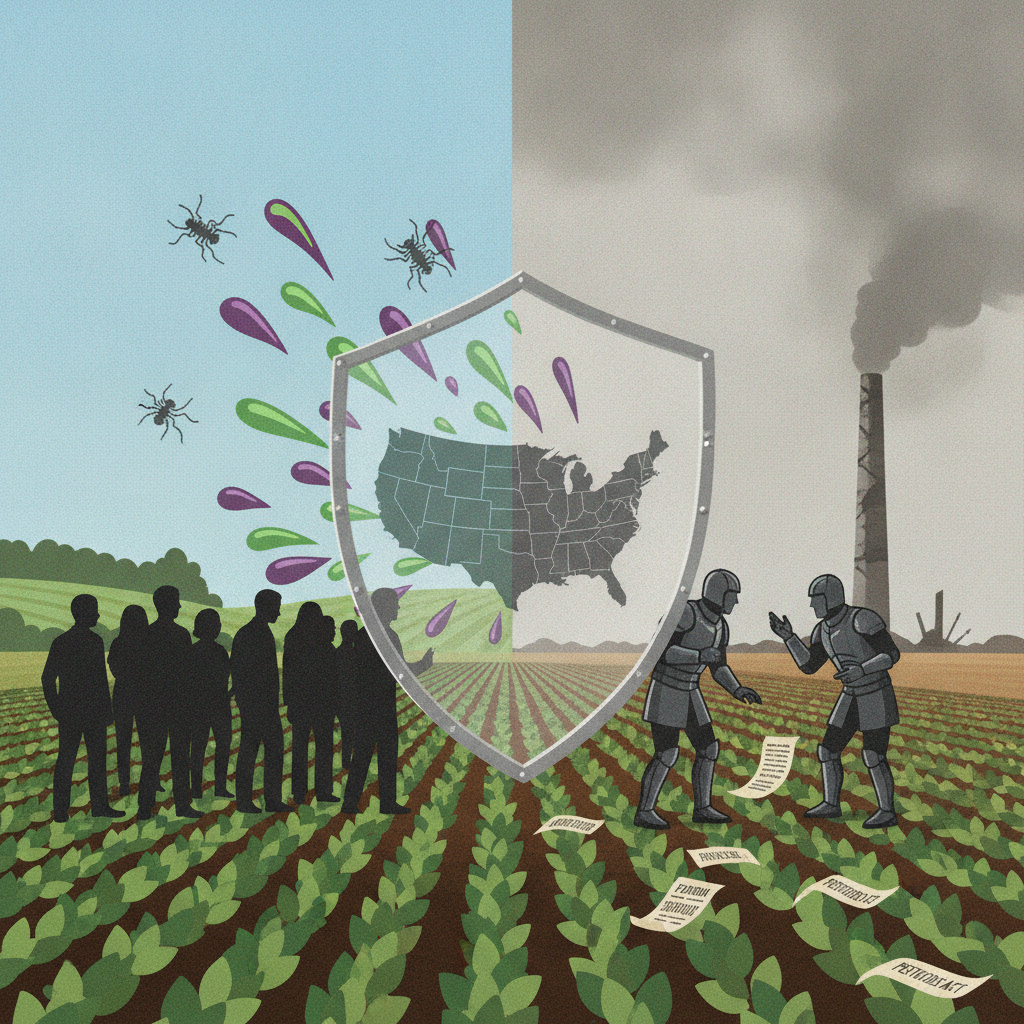
The Americans vs Poisonous Pesticides Act is federal legislation that curtails hazardous chemical agents. Specifically, lawmakers designed the bill to eliminate neurotoxic pesticides from domestic food production. In addition, the proposal shields rural communities and farmworkers from chronic exposure during routine crop spraying. Congress designated the proposal as H.R. 9807 upon introduction.
Currently, the measure sits before congressional committees for detailed review. Under standard procedures, staff members will examine the statutory text before leaders hold hearings. Historically, federal chemical policy balances workplace safety against stable crop yields.
Today, the Environmental Protection Agency oversees commercial pesticide registrations under the Federal Insecticide, Fungicide, and Rodenticide Act. However, reform advocates argue that current standards leave major gaps in human health protections. For instance, they point to international bans on specific organophosphates to justify modernizing American regulations.
Why it matters here
Agricultural policy directly shapes family grocery budgets and farm survival. If federal mandates ban essential pest tools without affordable substitutes, food production costs inevitably rise. Consequently, everyday consumers pay higher prices at the supermarket during tough economic times. Meanwhile, rural neighbors worry about the long-term health impacts of chemical drift.
Indeed, rural families living near treated acreage voice urgent environmental concerns. Past studies link heavy pesticide drift to respiratory issues, neurological problems, and chronic pediatric conditions. Therefore, finding an equitable regulatory middle ground remains critical for both urban consumers and rural workers nationwide.
How does poisonous pesticides legislation affect agriculture and consumer costs?
Poisonous pesticides legislation forces chemical manufacturers and growers to overhaul established management practices. When regulators restrict standard treatments, growers must turn to organic options or costlier synthetics. Consequently, these operational shifts often decrease per-acre harvest yields. At the same time, they drive up annual operating expenses for family-owned farming enterprises.
Furthermore, American agriculture competes on an increasingly tight global playing field. Farmers already face mounting expenses for diesel fuel, heavy machinery, and synthetic fertilizers. When Washington adds new regulatory hurdles, smaller independent operations suffer first. In contrast, corporate mega-farms can absorb compliance costs, while multi-generational family farms face severe financial strain.
Key considerations surrounding the debate include several critical economic and structural factors:
- Crop protection products protect tens of billions of dollars in domestic food production each year.
- Alternative biological controls often require higher labor hours and specialized application machinery.
- Food supply disruptions can accelerate grocery shelf price inflation on fresh produce and grains.
- Stricter domestic rules sometimes lead distributors to import food from foreign countries with weaker pesticide oversight.
What does HR 9807 mean for federal regulatory power?
Under HR 9807, federal regulatory power over agricultural inputs expands substantially beyond current administrative limits. Specifically, the bill establishes rigid statutory deadlines that force the Environmental Protection Agency to cancel registrations for designated chemicals. Consequently, executive regulators would lose discretionary authority to balance localized economic needs against federal chemical safety guidelines.
In fact, this shift sparks an intense debate over federal overreach. Critics contend that Congress should not bypass agency scientific review panels. For example, they emphasize that agronomists, toxicologists, and state agricultural boards hold the technical expertise to assess compounds. Conversely, bill sponsors argue that agency reviews take decades, requiring direct congressional action to ban hazardous toxins swiftly.
When will Congress decide on the federal pesticide bill?
Congress usually requires months or even years to debate, amend, and advance a contentious pesticide bill. To succeed, H.R. 9807 must first clear extensive committee hearings in the House of Representatives before any floor vote. Meanwhile, shifting political majorities and regional divisions create steep obstacles for its legislative journey.
Agricultural trade associations plan to present economic data during upcoming legislative sessions. Simultaneously, public health advocacy groups intend to lobby lawmakers directly to protect the measure. Observers expect intense debates over whether voluntary incentive programs or strict bans provide the best path. For now, American farmers and consumers await clarity on future national food safety rules.
This article was produced with the assistance of AI and reviewed by our editorial team.
Sources
Related: ‘Not In My Barn Yard Act’ Introduced in Congress as Lawmakers Weigh Rural Property Protections
Related: Sanctuary Policies Block Federal Jail Transfers as ICE Ramps Up Enforcement Across U.S. Communities
See a typo? Report it here.