Health News
Debate Grows Over RFK Jr Hepatitis B Vaccine Policy and Newborn Health Recommendations
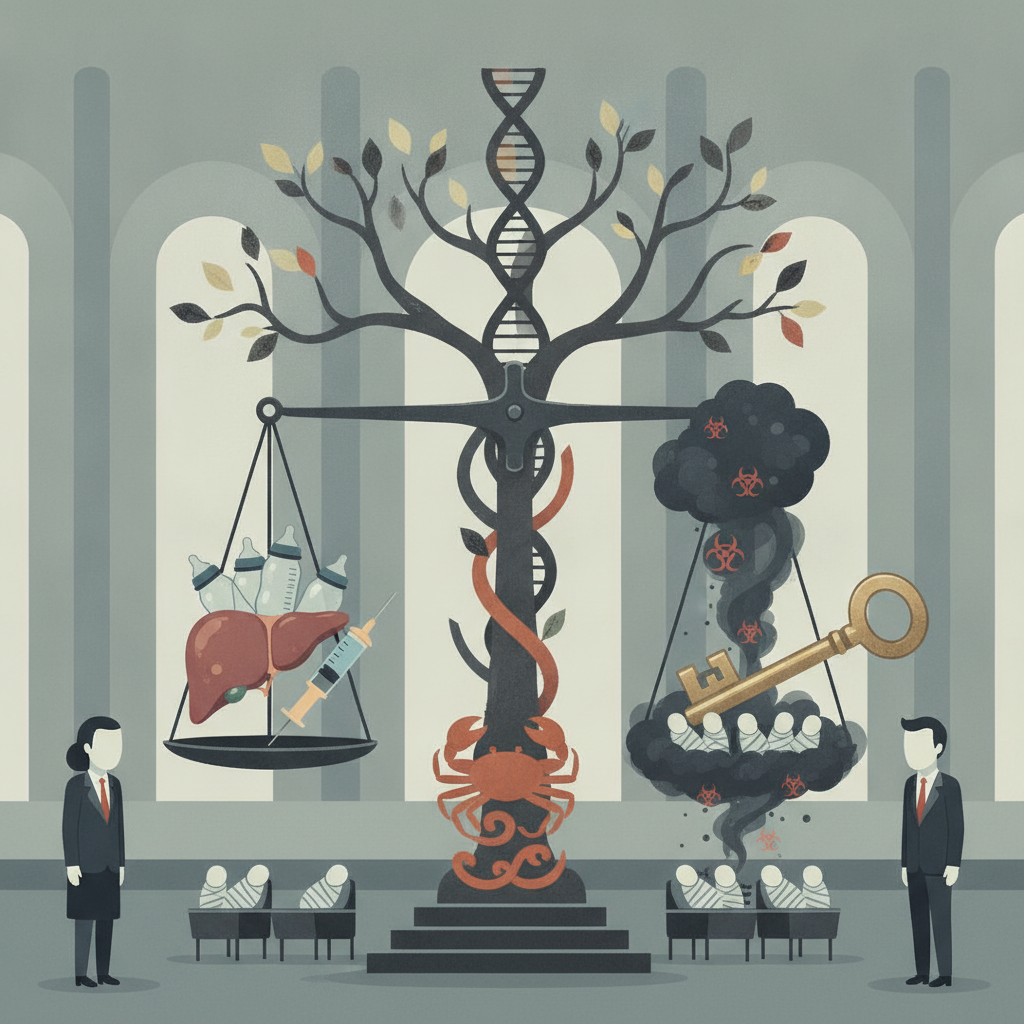
Opinion | How RFK Jr.’s vaccine policies could cause a spike in liver cancer


Last updated:
Key points
- Federal health guidance under Secretary Robert F. Kennedy Jr. ended routine recommendations for universal newborn hepatitis B vaccination.
- Parents of infants born to mothers testing negative for hepatitis B can now opt to delay the first vaccine dose until two months of age.
- Modeling published in the Annals of Internal Medicine projected that moving to shared clinical decision-making could raise chronic infection rates and long-term health risks.
What is the core debate behind the RFK Jr hepatitis B vaccine policy?
NewsWK — Recent federal actions transformed how health agencies approach infant immunization, shifting focus toward individualized care decisions. Under Health Secretary Robert F. Kennedy Jr., federal panels ended the long-standing recommendation for universal newborn immunization. Previously, guidance encouraged administering a hepatitis B birth dose within 24 hours.
Federal advisory panels shifted the national approach to infant immunization in late 2025. Specifically, the Advisory Committee on Immunization Practices recommended delaying the first dose until two months of age. This delay applies to infants born to mothers who test negative for hepatitis B. Furthermore, federal health leaders moved hepatitis B off the routine childhood immunization schedule. Instead, federal guidance now emphasizes shared clinical decision-making between parents and their doctors. Proponents of this shift highlight parental autonomy and targeted care. However, traditional medical associations express deep concern about potential increases in preventable infections nationwide.
What does the CDC hepatitis B vaccine birth dose change mean for American families?
The revised guidance gives parents greater flexibility in deciding when their infants receive initial vaccinations. Families can evaluate maternal blood screening results with their pediatricians. Then, they can decide between a delivery-room injection or waiting for standard infant checkups.
For decades, hospitals routinely offered newborn hepatitis B immunizations before discharge. Under the updated policy, maternal screening plays a central role in determining immediate timing. Mothers who test negative for the virus may choose to delay the initial shot until two months of age.
How do Robert F Kennedy Jr vaccine policy changes affect patient choice and state guidelines?
The updated federal framework prioritizes direct consultation between mothers, fathers, and medical providers over blanket mandates. Parents gain broader decision-making power under the new federal guidelines. However, local clinic protocols and state insurance coverage rules may vary across regions.
Supporters of the federal policy changes argue that individualized decisions strengthen doctor-patient trust. They note that infants born to uninfected mothers face low immediate risk during their first weeks of life. However, major healthcare groups advocate strongly for early universal protection. For example, major physician groups continue to support universal birth-dose immunization. These groups include the American Academy of Pediatrics, the American Medical Association, and the American Academy of Family Physicians.
How do researchers measure hepatitis B vaccine liver cancer risk under new guidance?
Epidemiological models evaluate potential long-term health outcomes when immunization timing changes across large populations. Researchers analyze how reduced early coverage might influence chronic infection rates and pediatric complications. Also, models examine lifetime healthcare expenses and broader public health trends.
A statistical study published in the Annals of Internal Medicine analyzed potential public health impacts under different policy scenarios. According to the study modeling, delaying the initial dose to two months could increase chronic hepatitis B infections by 19 percent. That projection compares the two-month schedule directly against universal newborn vaccination. Additionally, researchers projected an 83 percent rise in chronic infections under shared clinical decision-making. This scenario assumes hospitals offer the vaccine without maintaining routine newborn recommendations.
The study estimated that shared decision-making might leave approximately 1.8 million children susceptible to infection as they reach adulthood. Over a 20-year span, modeling suggested that 1.5 million young adults could lack adequate immunity. Public health experts track these numbers closely due to long-term risks. Specifically, infants infected at birth face up to a 25 percent lifetime risk of liver cancer.
Financial considerations also factor into the broader debate. Economic modeling suggests that delaying the first dose by two months could add significant long-term expenses. Healthcare costs could rise by at least $16 million for a single birth cohort. One single-year model projected nearly 1,437 preventable infections across a lifetime. The model also estimated approximately 300 additional liver cancer cases and 482 viral-related deaths. Meanwhile, nationwide data showed that birth-dose vaccination rates had already declined in recent years. Coverage dropped from more than 83 percent in 2023 down to 73 percent in 2025. Implementation of the federal guidance continues nationwide. Healthcare providers, policymakers, and parents will closely observe how these policy adjustments shape child health over time.
This article was produced with the assistance of AI and reviewed by our editorial team.
Sources
Related: Cure Hepatitis C Act of 2026 Introduced in Congress