Local Business
Wisconsin Flood Disaster Aid Falls Short as Local Governments Bear Storm Costs
Communities that ask for federal assistance when climate disasters hit can’t count on that help to arrive. That increasingly common reality was reviewed in a recent report by Wisconsin Policy Forum, which focused on the historic floods in the state…


Last updated:
Key points
- Federal aid for local disaster recovery in Wisconsin is becoming increasingly unreliable.
- More than $240 million in damages were reported from the August 2025 storms.
- Local governments are urged to enhance flood mitigation efforts and prepare for future climate-related challenges.
NewsWK — Recent flooding in Wisconsin has highlighted a troubling trend where federal assistance becomes unreliable for local governments during climate disasters. A report from the Wisconsin Policy Forum assessed the aftermath of severe storms that hit the state in August 2025, revealing that the aid provided to rebuild damaged infrastructure was insufficient.
Milwaukee Flooding Disaster Recovery Strains Local Budgets
The Milwaukee area experienced record rainfall, with over 14 inches falling in just 24 hours, leading to the overflow of local rivers and significant flooding in homes, businesses, and public facilities. The report indicated that recovery efforts are ongoing, especially following another storm that struck in April 2026.
Damage assessments showed that public infrastructure in the Milwaukee region suffered at least $34.7 million in damages. Local governments like Wauwatosa reported $6.8 million in damage to parks, roads, and buildings. Overall, the August storms caused approximately $240 million in total damages across the area.
FEMA Public Assistance Wisconsin Requests Denied
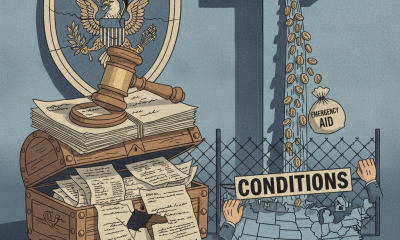
While the Federal Emergency Management Agency (FEMA) approved $210 million in individual assistance, it denied requests for funding to support local governments. Wisconsin’s Governor Tony Evers declared a state of emergency and sought federal aid, but FEMA determined that public assistance was not warranted despite the extensive damage.
Historically, it is rare for the federal government to approve individual assistance while denying public aid. For example, in past disasters, Milwaukee County received millions to aid local governments. The current situation has forced local authorities to shoulder a heavier financial burden, with costs rising to $16.9 million in 2025, the highest in over two decades.
Urgent Need for Wisconsin Flood Mitigation Funding
Local governments are now exploring various strategies to adapt to climate change effects, such as investing in flood control systems. However, the report warns that many structures remain vulnerable to flooding, indicating that more needs to be done to prepare for future disasters.
As Wisconsin faces an increasing frequency of severe weather events, the report suggests that state leaders consider additional funding for disaster relief and enhance flood mitigation efforts to reduce risks. It emphasizes the need for self-sufficiency in disaster response as federal aid becomes less predictable.
Based on reporting by Isiah Holmes originally published by Stateline. Read the original story.
Related: Sanctuary Policies Block Federal Jail Transfers as ICE Ramps Up Enforcement Across U.S. Communities
Related: Congress Receives New Legislation Aimed at Local Health Care Protection
Related: ‘Not In My Barn Yard Act’ Introduced in Congress as Lawmakers Weigh Rural Property Protections
Related: Supreme Court Lifts Injunction on Federal Mail-In Ballot Security Standards Ahead of Midterms
Related: Utilities Seek $18 Billion in Utility Rate Hikes Affecting Millions of Households
See a typo? Report it here.