
Arizona
How the National Skilled Trade Worker Shortage is Delaying Key Infrastructure Projects
A perfect storm of harsh immigration enforcement, aging journeymen and a building boom for data centers is wreaking havoc on the nation’s supply of skilled trade workers. Automakers and construction contractors say they need more access to workers through accelerated…

Last updated:
Key points
- The United States faces a critical deficit of 1.7 million skilled trade workers annually, causing widespread delays in housing and infrastructure projects.
- Tighter federal immigration enforcement and a lack of specialized legal visa pathways have significantly reduced the manual labor pool for contractors.
- A rapidly aging workforce and low graduation rates in vocational programs are compounding the shortage as demand for AI data centers surges.
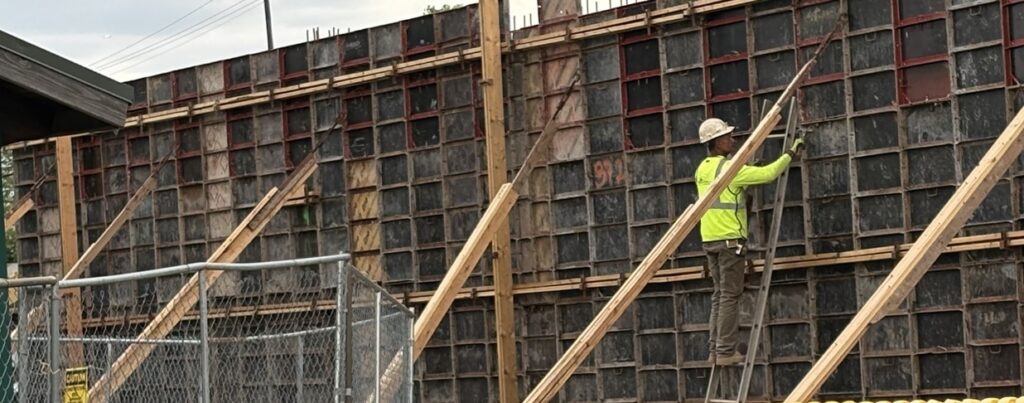
NewsWK — American builders face an unprecedented hurdle. The country needs millions of workers to build homes, roads, and data centers. However, a historic labor crunch is stalling these vital projects.
What does the construction worker shortage causes mean for local development?
The nationwide deficit of qualified builders directly delays critical local projects, from housing developments to essential municipal infrastructure. As a result, taxpayers and homebuyers face rising costs and longer wait times. This bottleneck stems from a combination of retirements, rising data center demand, and shifting immigration dynamics.
A September survey by the Associated General Contractors of America highlighted this growing crisis. The group found that worker shortages represent the primary reason for construction delays across the country. Meanwhile, half of the surveyed contractors reported that job applicants simply lack the necessary qualifications. This lack of preparation forces companies to spend valuable time and resources on basic training.
At the same time, massive tech projects are absorbing much of the existing labor pool. The rapid expansion of artificial intelligence requires hundreds of new data centers. Consequently, tech companies are bidding up wages for electricians and fiber technicians. This trend leaves traditional residential and commercial builders struggling to compete for talent.
How is the immigration crackdown construction jobs market changing?
Federal immigration enforcement has significantly reduced the available labor pool for manual trades, particularly in roofing and framing. While federal officials emphasize the rule of law and removing undocumented workers, contractors argue that the lack of legal visa pathways leaves vital physical labor positions completely unfilled.
Industry data shows that foreign-born workers make up over half of the nation’s craft labor force. However, stepped-up enforcement has made many of these workers hesitant to remain on active jobsites. For example, a survey of roofing contractors by John Burns Real Estate and Consulting revealed widespread anxiety. Several business owners reported that enforcement actions are depleting their workforce without any local replacements available.
To address this, industry leaders are lobbying for targeted legal visa reforms. Ken Simonson, chief economist for the Associated General Contractors of America, noted the frustration of builders. Simonson stated, “We’ve been stymied for 20 years or longer trying to get construction treated similarly to agriculture.” He argued that builders should be allowed to bring in foreign workers when no Americans apply.
Meanwhile, federal officials maintain that legal workers have nothing to fear. The Department of Homeland Security stated that they will continue to enforce federal laws and remove illegal aliens from communities. Yet, the legal landscape remains complex. In September, a federal judge blocked federal agents from entering construction sites without a warrant to check immigration status.
Why is the aging workforce in skilled trades worsening the crisis?
Veteran tradespeople are retiring faster than vocational programs can train their replacements. This generational exit leaves a massive knowledge gap, as younger Americans increasingly favor white-collar careers over physical labor, despite rising wages and high job security in fields like electrical work and plumbing.
The numbers reveal a stark imbalance. According to the Alliance for America’s Skilled Trades, the nation requires 1.7 million new workers annually through 2035. However, current training programs only produce about half of that required number. Furthermore, only 50 percent of students who enroll in these vocational programs actually graduate.
To combat this trend, major corporations are launching national recruitment campaigns. For example, Ford Motor Company and the Ad Council recently launched a joint promotional campaign. Their videos highlight high wages, job security, and career pride to attract younger generations. Similarly, tech giants like Meta are actively funding training programs to secure the specialized workforce needed for AI infrastructure.
Where is the demand for construction workers highest?
The crisis is highly regionalized, with high-growth states experiencing the most severe labor deficits. Rapidly expanding states like Florida and Texas struggle to find enough qualified labor, while several Midwestern and Western states actually maintain a surplus of skilled workers relative to their local needs.
The Alliance for America’s Skilled Trades identified nine states facing severe labor deficits:
Florida presents the most extreme example of this imbalance. The state ranks first in the nation for labor demand, yet it ranks nearly last for available supply. Rapid population growth and a Booming Housing Market Drive this intense demand. Conversely, states like Indiana, North Dakota, Oklahoma, and Wyoming currently enjoy a surplus of skilled workers relative to their slower construction demands.
Ultimately, solving the skilled trade worker shortage will require a multi-faceted approach. Industry leaders must balance technological training, competitive wages, and legal immigration pathways to rebuild America’s workforce. Without these reforms, critical infrastructure and housing projects will continue to face costly delays.
This article was produced with the assistance of AI and reviewed by our editorial team.
Sources
Related: Foreign-Born Workers Leaving US Labor Force as Enforcement Surges
Related: Emerging Labor Shortage Could Fuel Wage Growth and Housing Affordability for Future U.S. Workers
See a typo? Report it here.