
Washington
Federal Legislative Proposal Targets National Child Welfare Data Sharing and System Accountability
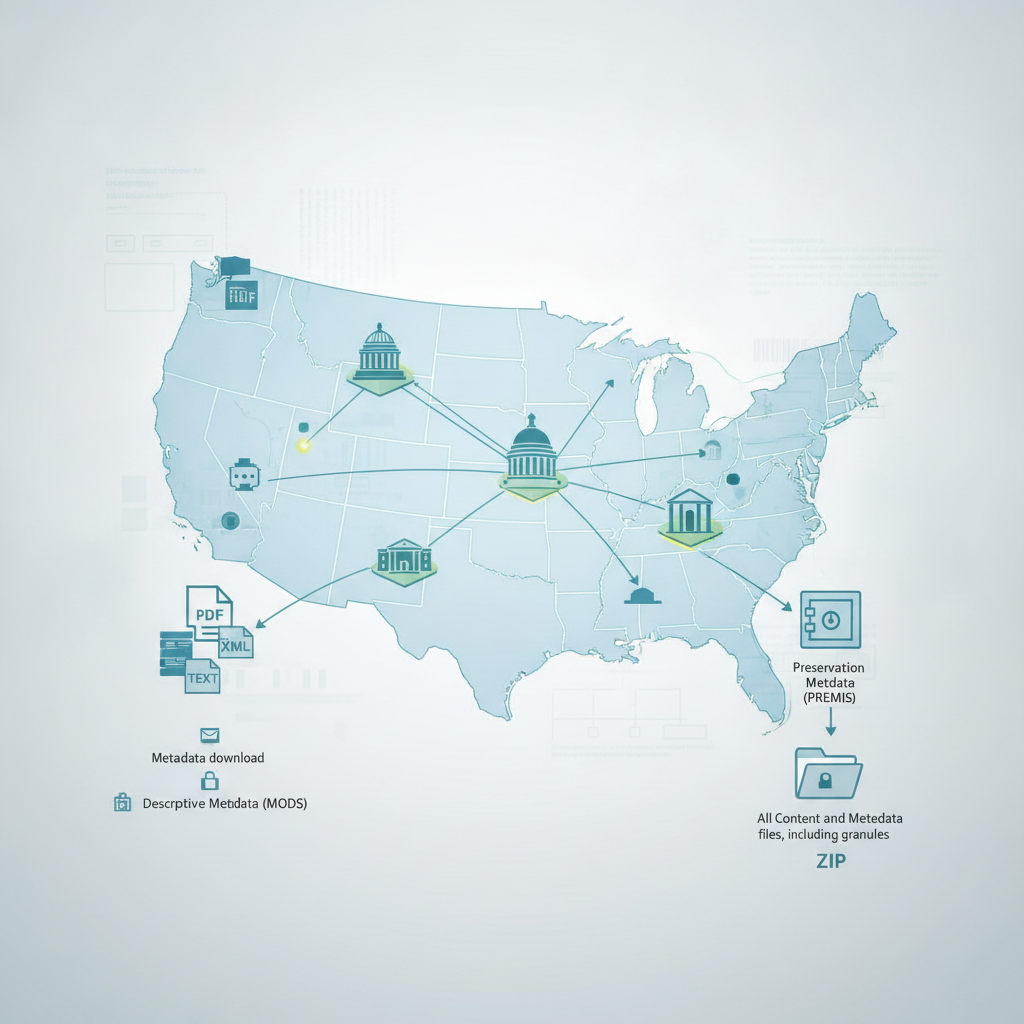
Content Files PDF XML TEXT Metadata download Descriptive Metadata (MODS) Preservation Metadata (PREMIS) All Content and Metadata files, including granules ZIP

Last updated:
Key points
child welfare data sharing
- Federal lawmakers introduced H.R. 9819, the AIDEN Act, to modernize national child welfare data collection and integration.
- The proposal aims to improve cross-agency coordination, foster care tracking, and program transparency across state and federal jurisdictions.
- Policy discussions center on balancing standardized federal oversight with state flexibility, taxpayer costs, and family privacy protections.
NewsWK — Federal lawmakers have introduced new legislation titled the Advancing Integrated Data for Equitable National Child Welfare Act, designated as House Resolution 9819, aiming to modernize and streamline how child welfare agencies collect, analyze, and share data across jurisdictional boundaries. The proposal, officially indexed in federal records as the AIDEN Act, seeks to address long-standing fragmentation in child protective services and foster care systems nationwide.
Why it matters here
For state administrators, family advocates, and local taxpayers across the United States, child welfare management represents one of the most critical and resource-intensive functions of government. State and county protective service agencies frequently struggle with disjointed legacy information technology systems, making it difficult to track outcomes for children in foster care, monitor cross-border family placements, or identify systemic gaps in service delivery.
If enacted, H.R. 9819 could impact how local social service departments interface with federal reporting standards. Proponents of data integration argue that unified reporting helps identify vulnerable youth, prevent children from slipping through bureaucratic cracks, and ensure federal funds under Title IV-E and Title IV-B of the Social Security Act are used efficiently. Conversely, state-level policymakers often express concern over sweeping federal mandates, pointing out that top-down data collection requirements can impose heavy administrative burdens on frontline caseworkers, diverting time and financial resources away from direct care for vulnerable families.
Data Integration and System Modernization
The push to reform federal child welfare data architecture comes as state agencies face increasing scrutiny over public safety, accountability, and expenditure transparency. In recent years, congressional oversight committees and government auditors have highlighted significant variability in how different jurisdictions record foster care admissions, safety assessments, adoption timelines, and post-permanency outcomes.
Under current frameworks, states maintain their own Comprehensive Child Welfare Information Systems (CCWIS), which receive matching federal funds to meet technical standards set by the Department of Health and Human Services (HHS) and the Administration for Children and Families (ACF). The AIDEN Act proposal focuses on advancing integrated data mechanisms to enhance consistency, standardize metrics, and improve cross-system collaboration among child welfare, public health, educational, and judicial authorities.
By centralizing and standardizing tracking protocols, supporters contend that social service providers can gain clearer insights into program efficacy and direct targeted interventions where they are needed most. However, legal and technical experts emphasize that expanding integrated data networks requires robust protections against federal overreach and strict safeguards for personal privacy.
Oversight, Fiscal Responsibility, and Data Privacy
As H.R. 9819 proceeds through the legislative process, lawmakers must weigh the promised efficiency of expanded data sharing against critical considerations regarding individual privacy, state autonomy, and fiscal restraint.
Key issues surrounding the bill include:
- Data Security and Confidentiality: Protecting sensitive medical, psychological, and domestic records of minor children and families from security breaches or unauthorized federal access.
- Administrative Cost to States: Ensuring that federal directives do not force local agencies to spend taxpayer dollars upgrading software systems without sufficient federal funding or flexibility.
- Preserving Local Decision-Making: Maintaining state and county authority over child welfare determinations, ensuring that standardized federal data collection does not erode local control or result in one-size-fits-all policy directives from Washington.
- Focusing on Outcomes Over Bureaucracy: Ensuring caseworkers spend their primary hours serving youth and families in crisis rather than fulfilling burdensome federal paperwork and data-entry demands.
Legislative Outlook and Next Steps
House Resolution 9819 has been formally introduced in the United States House of Representatives and referred to the appropriate committee for initial review. Legislative committees will evaluate the bill’s technical provisions, potential fiscal impact, and intergovernmental implications before determining whether to hold hearings or advance the measure to the House floor.
Whether the AIDEN Act gains broad support will likely depend on how effectively the final text balances the demand for rigorous federal oversight and standardized outcome metrics with local administrative realities, fiscal accountability, and fundamental privacy rights for American families.
This article was produced with the assistance of AI and reviewed by our editorial team.