North Carolina
Federal Measure Authorizes Land Transfer for New Fort Bragg Veterans Home
Content Files PDF XML TEXT Metadata download Descriptive Metadata (MODS) Preservation Metadata (PREMIS) All Content and Metadata files, including granules ZIP

Last updated:
Key points
- Federal legislation authorizes the Secretary of the Army to transfer land at Fort Bragg directly to North Carolina.
- The parcel must serve as the site for a new, state-run veterans nursing and long-term care facility.
- The transfer allows North Carolina to expand regional medical beds while utilizing federal matching construction funds.
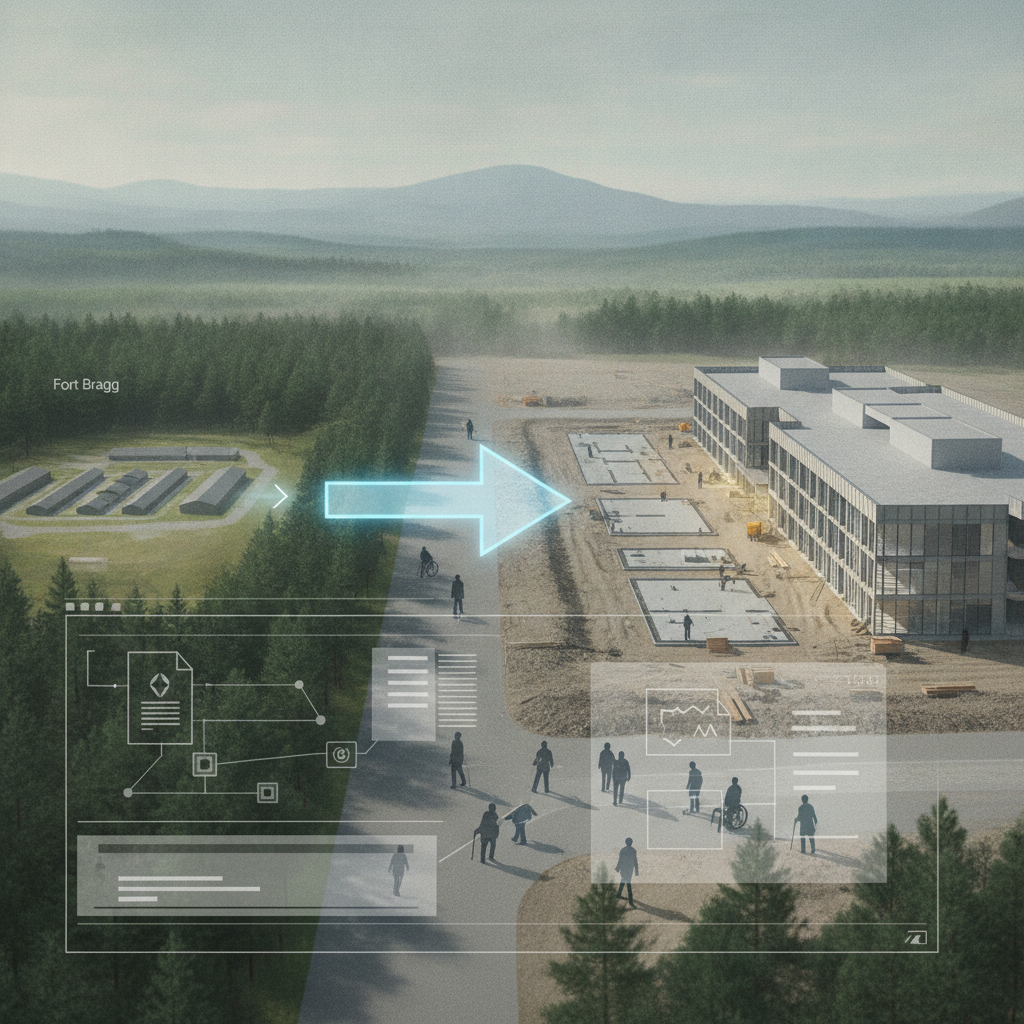
NewsWK — Federal lawmakers are advancing legislation to transfer Department of the Army property to North Carolina. Under the plan, state officials will build a specialized residential facility for military veterans. The measure addresses growing demand for long-term care among regional service members.
Why it matters
This federal property transfer directly impacts thousands of military families, retirees, and local taxpayers across North Carolina. The Sandhills region hosts one of the nation’s largest military populations. Consequently, expanding regional long-term nursing and assisted-living space directly eases the caregiving burden on local families.
Veterans often face long waitlists for specialized state nursing facilities. Meanwhile, state-run homes offer affordable, high-standard medical supervision tailored to former service members. In addition, building near military infrastructure keeps veterans close to existing healthcare networks. This project also utilizes federal acreage without requiring costly private real estate purchases by state taxpayers.
What does the HR 10159 veterans home measure do?
The HR 10159 veterans home measure authorizes the Secretary of the Army to transfer federal land to North Carolina. Specifically, the legislation requires the state to use the parcel exclusively for veteran residential care. If state authorities repurpose the property for other uses, ownership reverts directly to the federal government.
Congressional action remains essential for this real estate transaction. Federal law strictly limits how the Department of Defense disposes of military installations. Therefore, statutory authorization gives the Army Secretary explicit legal power to execute the deed. In addition, the transfer aligns military resources with community needs. Furthermore, the land sits near historical command centers, keeping retirees connected to their military community.
How will the Fort Bragg land conveyance proceed?
The Fort Bragg land conveyance will proceed through formal property surveys, environmental reviews, and joint intergovernmental agreements before title transfer. Army and state officials must first confirm parcel boundaries. Next, both parties will establish binding legal covenants. These covenants protect federal interests while granting North Carolina full operational control for site construction.
Detailed surveys identify exact acreage, access roads, and utility connections. However, the federal government routinely attaches protective clauses to these deeds. Consequently, these terms safeguard national security interests and nearby military training corridors. For example, federal rules guarantee the property will never host commercial developments that disrupt military readiness.
What are the plans for North Carolina veterans home construction?
North Carolina veterans home construction plans call for skilled nursing beds, rehabilitation services, and memory care units under federal guidelines. State agencies will oversee daily operations, clinical staffing, and physical maintenance. Meanwhile, the project follows design standards set by the federal Department of Veterans Affairs to ensure high-quality care.
The state currently operates several specialized veterans homes across North Carolina. These centers provide several distinct benefits to aging service members:
- Round-the-clock skilled nursing care and medical supervision.
- Specialized therapy programs designed for service-connected disabilities.
- Subsidized room and board rates tied to federal veteran benefits.
- Community living environments shared with fellow service members.
However, building a modern medical facility requires coordinated funding. Once the Secretary conveys the land, state authorities can apply for federal matching grants. Specifically, the Department of Veterans Affairs State Veterans Home Construction Grant Program covers up to 65 percent of costs. Meanwhile, the state provides the remaining matching share through legislative appropriations.
Who qualifies for residency in a North Carolina veterans state home?
Residency in a North Carolina veterans state home requires an honorable discharge from the United States Armed Forces and documented clinical need. Eligible applicants must require nursing home placement or assisted care under state guidelines. In addition, admission rules prioritize North Carolina residents and veterans who carry service-connected medical conditions.
Spouses and Gold Star parents may also qualify for open beds under specific state rules. However, regional capacity limits frequently create backlogs for incoming residents. Therefore, adding a new facility at the Fort Bragg parcel significantly reduces regional wait times for vulnerable veterans.
This article was produced with the assistance of AI and reviewed by our editorial team.
Sources
Related: House Resolution 1499 Clears Way for Critical Votes on Mining, Higher Education, and Maritime Rules
See a typo? Report it here.