
Florida
Feds encourage public housing work requirements and time limits
Dozens of public housing authorities, tribes, property owners and community groups have joined a new coalition organized by the U.S. Department of Housing and Urban Development to promote work requirements and time limits for people who receive federal housing help. HUD…

Last updated:
By Robbie Sequeira | Stateline
Dozens of public housing authorities, tribes, property owners and community groups have joined a new coalition organized by the U.S. Department of Housing and Urban Development to promote work requirements and time limits for people who receive federal housing help.
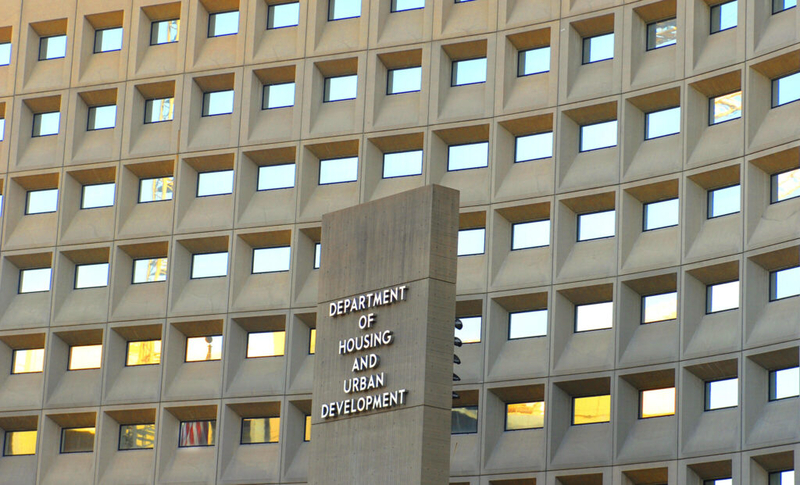
HUD is currently finalizing a rule that would allow public housing authorities and property owners who participate in federal housing voucher programs to impose work requirements and time limits on work-ready adults, or working-age adults (younger than 62) who are not disabled.
The federal agency says members of the coalition support the idea of giving housing authorities and providers discretion to require work of up to 40 hours per week for nonelderly, nondisabled adults, supplementing those rules with job training and other supportive services.
Expansion through the Work and Dignity Coalition
HUD argues that current housing policies discourage work and self-sufficiency, and extend the amount of time that people remain on housing assistance. In a social media post, Public and Indian Housing Assistant Secretary Ben Hobbs said the new requirements could generate over $500 million in new resident income.
In 2023, 31% of the people receiving federal housing assistance were nonelderly, nondisabled adults. Of that group, 44% were working and 56% were not, according to a 2025 report by the Congressional Research Service.
More than a hundred public housing authorities, tribes, property owners and community groups have joined the Work & Dignity Coalition, according to HUD. The National Housing Law Project, a nonprofit that advocates for more low-income housing, produced a list of 58 entities, including the public housing authorities in Fort Worth, Jacksonville, Orlando, Philadelphia, Pittsburgh and Tampa.
Moving to Work housing authorities test new policies
Less than 1% of public housing authorities, known as Moving-to-Work agencies, are currently allowed to impose time limits or work requirements on people receiving housing assistance. HUD cites Champaign County, Illinois — which requires each able-bodied adult to work or be in school for at least 15 hours per week, and each household to generate 30 hours of work income at the minimum wage.
“I think that the important thing to note is that this is all about self-sufficiency, even if there might be some fear over what is required and how that would affect their housing,” said Peyton Pannell-Johnson, a spokesperson for the Housing Authority of Champaign County. “There is a team that needs to connect people to work, and then a team that follows up with each client.”
Concerns over HUD housing assistance time limits and reporting rules
But housing advocates argue that the proposed requirements will make it more difficult for people to keep their housing assistance. The Congressional Research Service also warned in its 2025 report that imposing work requirements on federal aid recipients often trips up people who are working already.
“Work requirements can increase the burden for working recipients to prove that they remain eligible for benefits by requiring that they produce additional or more frequent information about their wages and hours,” the research agency stated. “There is an inherent tension between helping families meet their basic needs and promoting work in low-income assistance programs.”
Stateline reporter Robbie Sequeira can be reached at rsequeira@stateline.org
Originally published by Stateline — All States. Author: Robbie Sequeira. Read the original story.
Related: Sanctuary Policies Block Federal Jail Transfers as ICE Ramps Up Enforcement Across U.S. Communities
Related: Congress Receives New Legislation Aimed at Local Health Care Protection
Related: ‘Not In My Barn Yard Act’ Introduced in Congress as Lawmakers Weigh Rural Property Protections
Related: Target Practice and Marksmanship Training Support Act Expands Range Access Across the Nation
Related: US Housing Starts Drop to Pandemic Levels as Builders Worry About Inflation
Related: Study Examines Women on Parole Mental Health and Reentry Crises Across the US
Related: How Will the Tribal Veterans Voucher Flexibility Act Help Native American Veterans?
See a typo? Report it here.