State Politics
National Study Highlights Government Employee Burnout and Retention Challenges
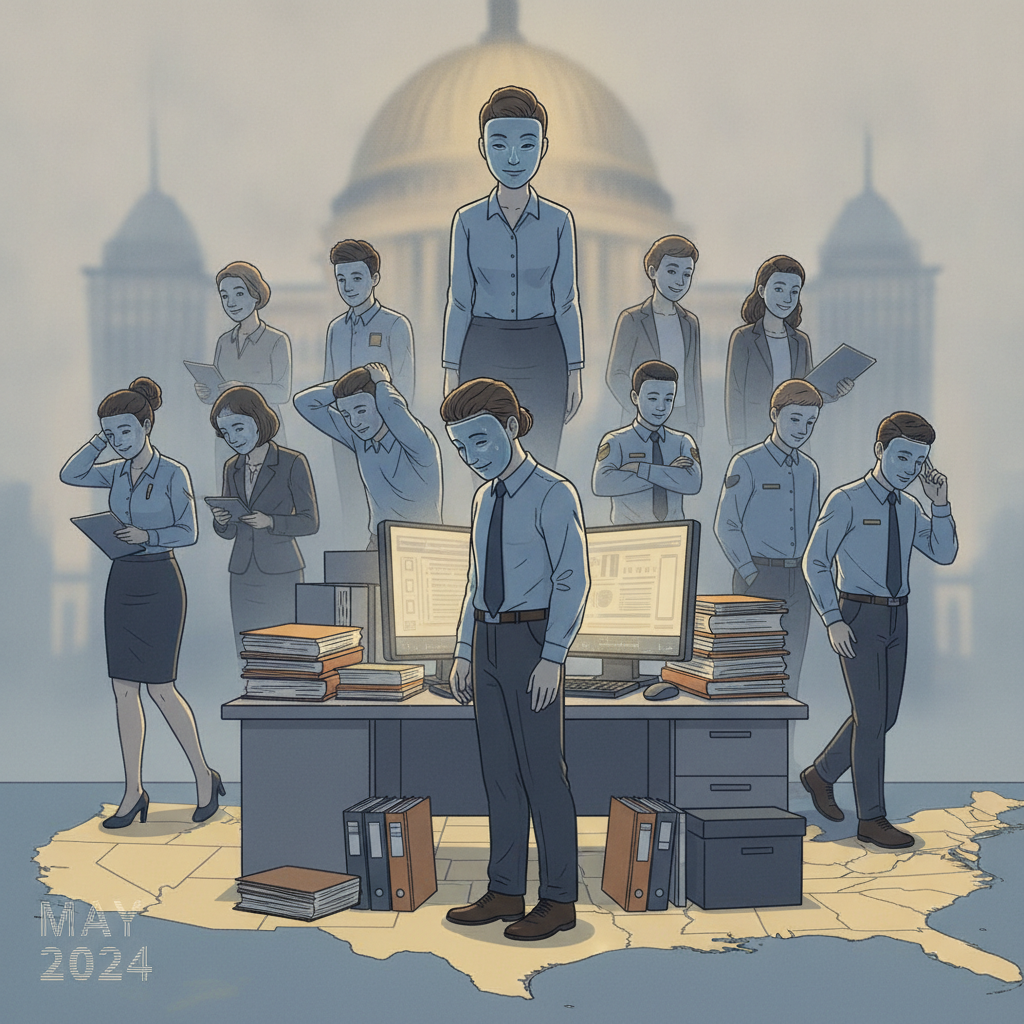
State and local government employees report high levels of job satisfaction across the country, but face significant rates of burnout and on-the-job harassment. That’s according to a new national survey of nearly 5,000 public servants across all 50 states released…

Key points
- A national study shows 82% of public servants are satisfied with their work, but 40% suffer from severe job burnout.
- Over 35% of surveyed state and local employees reported facing workplace harassment from internal or external sources.
- More than a quarter of public employees intend to leave their government positions over the next 12 months.
NewsWK — Public servants across the United States remain proud of their civil service work. However, many workers face severe stress and workplace friction daily. A comprehensive national study from The People Lab at Harvard University’s Kennedy School highlights these conflicting trends. Researchers surveyed nearly 5,000 public employees across all 50 states. Ultimately, the findings show high job pride alongside alarming rates of worker exhaustion and staff turnover.
What does government employee burnout mean for local taxpayers and services?
High turnover and chronic exhaustion among civil servants directly affect municipal services, project timelines, and local tax dollars. Experienced personnel often leave municipal departments. As a result, city halls and county boards face escalating recruitment costs and operational delays. Consequently, these workforce disruptions directly impact how efficiently local government functions for residents daily.
Taxpayers rely on steady local government operations to maintain infrastructure, manage emergency services, and issue routine permits. However, when staff turnover spikes, taxpayers ultimately pay the bill. Overtime spending increases significantly when public agencies operate understaffed. Furthermore, recruiting and training replacement staff drains limited local budgets. Meanwhile, project schedules slip as municipal departments struggle to retain experienced project managers and administrative staff.
Workplace stress also undermines overall productivity in municipal administrative departments. When workers experience constant fatigue, routine constituent requests take longer to process. For example, building permits, public records requests, and utility service approvals can face prolonged backlogs. Therefore, maintaining a stable municipal workforce helps protect tax dollars and keeps local public services running on schedule.
What did the state and local government workforce survey reveal about job satisfaction?
The national study revealed a striking paradox in the public sector workforce. Eight out of ten workers express pride and satisfaction in their roles. Yet, four out of ten experience severe burnout symptoms. Furthermore, over a quarter of surveyed staff plan to leave public employment within the next twelve months.
According to the public employee burnout study, 82% of respondents felt at least somewhat satisfied with their positions. Additionally, 60% stated they were satisfied or very satisfied with their work. “Thats good news that people are still kind of proud to say they work for the government,” noted Elizabeth Linos, faculty director of The People Lab.
However, positive feelings about public service coexist with widespread workplace stress. Specifically, the survey revealed several key statistics regarding public sector labor conditions:
- 82% of public servants report overall satisfaction with their government careers.
- 40% of workers experience clear symptoms of occupational burnout.
- 27% of respondents intend to leave their public sector jobs within 12 months.
- 35% of employees experienced on-the-job harassment during the past year.
Linos emphasized that todays public sector strain is not merely a temporary reaction to past emergencies. “You have such a big portion of your public sector workforce that are burnt out on any given day,” Linos stated. Moreover, she added that ongoing structural support remains essential for maintaining institutional capacity across government bodies.
How does local government employee harassment affect daily municipal operations?
On-the-job harassment substantially increases worker turnover and workplace stress across municipal agencies. More than one-third of surveyed public servants reported experiencing workplace abuse over the past year. Consequently, target employees face elevated rates of emotional exhaustion. Many frequently choose to leave public service entirely.
The study defined harassment as bullying, threats, attacks, or abuse during official duties. About 22% of respondents cited harassment from internal sources, including supervisors or colleagues. Meanwhile, 17% encountered harassment from external sources, such as public residents or media members. Notably, local government employees reported higher harassment rates than state-level staff. Also, female and non-binary employees reported elevated levels of workplace hostility.
When municipal employees encounter public hostility or toxic management, department morale drops quickly. Then, experienced staff members leave for the private sector.
Why do workplace conditions vary across public sector job satisfaction levels?
Daily job impact, organizational size, and political affiliation significantly influence how government personnel view their workplace environment. Employees working directly in local communities reported stronger workplace engagement than state-level personnel. In contrast, state workers face broader administrative bureaucracy and isolated policy implementation.
The Harvard dataset includes responses from over 4,400 local government employees in cities and counties. Conversely, state agencies accounted for about 320 respondents. State workers consistently reported less favorable workplace conditions than municipal employees. Furthermore, state workers expressed lower job satisfaction, reduced engagement, and a higher desire to resign.
Researchers noted that municipal workers often see the tangible outcomes of their labor immediately.
Interestingly, political affiliation also played a noticeable role in survey responses. Republican and Democratic public servants reported more favorable workplace conditions than politically independent workers across nearly all metrics.
Ultimately, maintaining efficient government relies on managing human resources effectively. Public agencies must balance competitive management practices with accountable public oversight. In short, sound governance requires supporting frontline workers while ensuring transparent, cost-effective service for local communities.
This article was produced with the assistance of AI and reviewed by our editorial team.
Sources
Related: Senate Legislation Proposes Expanded Paid Leave for Federal Employees
Related: Study Examines Women on Parole Mental Health and Reentry Crises Across the US
See a typo? Report it here.