
Health News
New Research Examines How Alcohol and Cancer Immunotherapy Interact to Affect Patient Outcomes
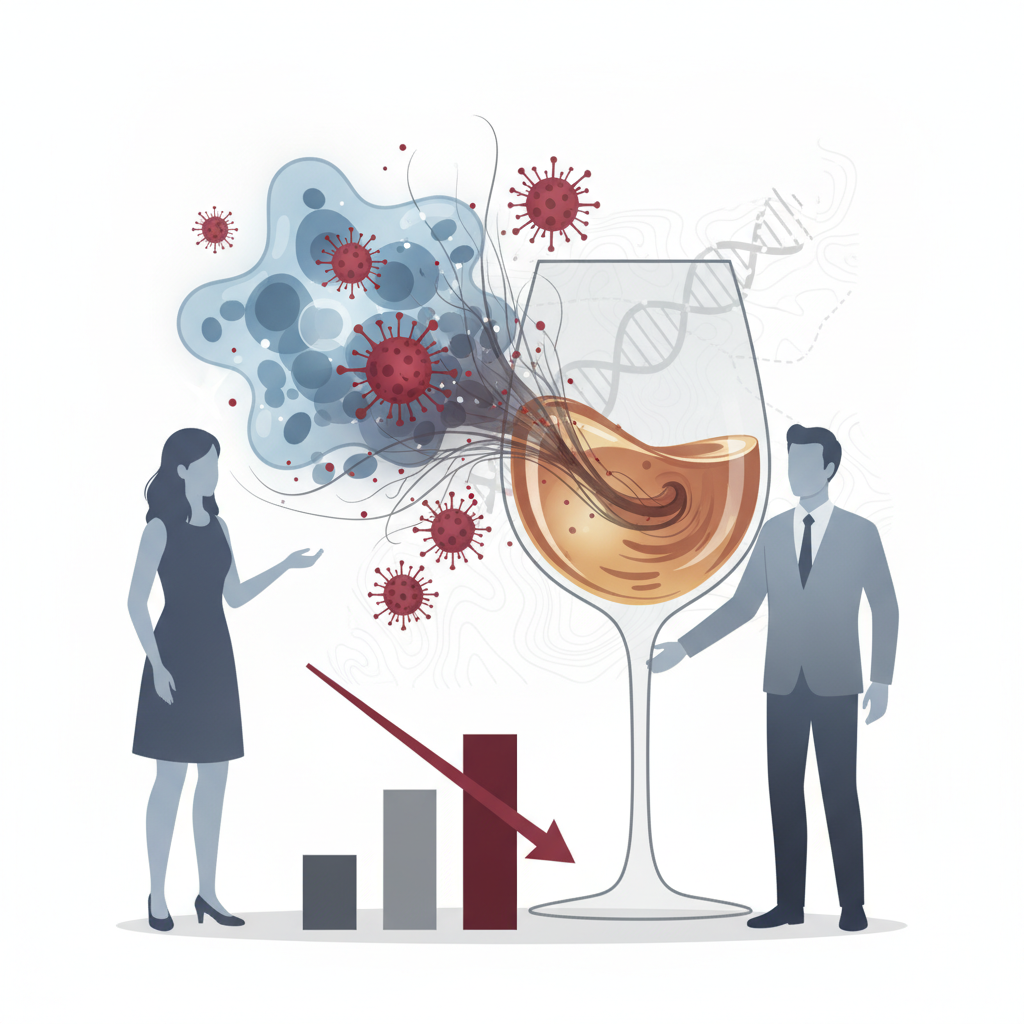
Alcohol May Make This Popular Cancer Treatment Worse Alcohol may weaken cancer immunotherapy, early research suggests Alcohol shortened survival on immunotherapy from 86 days to 58 days in mice Alcohol alters immune cells that fight cancer. Here’s how Researchers reveal…


Last updated:
Key points
- Laboratory research shows alcohol consumption reduces cancer immunotherapy effectiveness by roughly 50 percent.
- Alcohol suppresses essential T cells while boosting the immune-suppressing receptor molecule TIGIT.
- Clinical record analysis links regular alcohol use to lower survival rates among lung cancer patients receiving checkpoint inhibitors.
NewsWK — Modern immune-based therapies have rapidly advanced cancer treatments in recent years. However, personal habits like regular alcohol consumption can significantly weaken these lifesaving treatments. In fact, a landmark study highlights how routine drinking alters human immune defenses during active cancer therapy.
What Did the UNC Chapel Hill Cancer Study Reveal About Patient Survival?
The UNC Chapel Hill cancer study found that regular alcohol intake drastically reduced treatment success. In laboratory trials, alcohol exposure cut treatment effectiveness by roughly 50 percent. Meanwhile, human lung cancer records showed lower survival rates among regular drinkers. Consequently, drinking during therapy directly undermines patient recovery.
Scientists at the University of North Carolina at Chapel Hill conducted the research. They published their peer-reviewed findings in the journal Science Signaling. Lead author Kristen Gilley and Dr. Leon Coleman led the research effort. Dr. Coleman serves as an assistant professor at the Bowles Center for Alcohol Studies. Additionally, he works in the Department of Pharmacology at the university. Together, the team evaluated how ethanol disrupts immune checkpoint inhibitors in laboratory models and patient records.
In animal models with lung cancer, non-drinking mice on immunotherapy reached a median survival of 86 days. However, mice exposed to alcohol before treatment survived a median of only 58 days. Control animals without immunotherapy showed no survival difference based on alcohol exposure alone. Therefore, researchers concluded that alcohol specifically hinders the therapeutic mechanism. It does not simply accelerate tumor growth on its own.
Furthermore, the study examined laboratory models of bladder cancer. Non-drinking bladder cancer models achieved an 88.9 percent survival rate on anti-PD-1 therapy. In contrast, survival dropped below 30 percent in alcohol-exposed models. Additionally, researchers observed higher rates of spontaneous tumor recurrence among subjects exposed to alcohol.
How Do Alcohol Effects on Cancer Treatment Change Tumor Growth?
Understanding alcohol’s effects on cancer treatment requires examining how ethanol interacts with protective immune cells. Specifically, alcohol suppresses key defensive cells inside tumors. At the same time, it boosts inhibitory receptors that stop the body from fighting disease. Because of these cellular changes, cancer cells evade destruction during advanced biological therapy.
The research team observed significant biological shifts in tumors exposed to ethanol. Specifically, alcohol reduced the presence of tumoral CD4+ and CD8+ T cells. Moreover, it depleted crucial dendritic cells. These protective cells normally identify and destroy malignant tissue in the body.
Why Is Alcohol Immunotherapy Effectiveness Compromised at the Cellular Level?
Reduced alcohol immunotherapy effectiveness stems from an immune-suppressing receptor molecule called TIGIT. Alcohol increases TIGIT levels on T cells. Consequently, this disables their ability to attack tumors effectively. However, researchers blocked TIGIT with antibodies in laboratory models. As a result, anti-PD-1 therapy regained its full effectiveness.
This discovery offers potential strategies for future clinical interventions. By targeting TIGIT, doctors might eventually counter ethanol’s suppressive effects in patients who drink. Still, health experts emphasize that lifestyle adjustments remain the best way to prevent immune suppression.
Key biological impacts identified by the research team include:
- Reduction of tumoral CD4+ and CD8+ T cells that attack cancer cells.
- Depletion of dendritic cells responsible for alerting the immune system.
- Elevation of TIGIT receptor molecules that block active immune responses.
- Restoration of treatment efficacy when antibody therapies block TIGIT receptors.
How Could Immune Checkpoint Inhibitors Alcohol Findings Influence Patient Choices?
New research on immune checkpoint inhibitors and alcohol suggests that lifestyle choices play a vital role in recovery. Therefore, oncologists may soon advise patients to avoid regular drinking during immunotherapy. Consequently, clear guidance helps patients take personal responsibility. This empowers them to maximize the effectiveness of expensive medical care.
The study included a retrospective review of human clinical records at the UNC Chapel Hill Cancer Hospital. Researchers analyzed patient data across several cancer types. These included lung, bladder, skin, and head and neck cancers. They defined regular consumption as drinking eight or more alcoholic beverages per week.
Among lung cancer patients receiving checkpoint inhibitors, regular alcohol use correlated with noticeably shorter survival times. However, retrospective data for bladder, melanoma, and head and neck cancers showed no clear statistical link. Therefore, researchers stressed the need for prospective clinical trials. These future trials must follow patients in real time across all cancer types.
Medical treatments like anti-PD-1, anti-PD-L1, and anti-CTLA-4 therapies represent substantial healthcare resources. protect their health
What Background Context Explains the Rise of Checkpoint Inhibitor Therapies?
Immune checkpoint inhibitors have transformed modern oncology. They work by unleashing the body’s natural defenses against malignant cells. Specifically, these biological drugs unmask cancer cells so protective T cells can recognize and destroy them. Because these therapies depend on strong immunity, factors that weaken the immune system severely compromise survival.
Traditional cancer treatments like chemotherapy and radiation attack fast-growing cells directly throughout the body. In contrast, immunotherapy empowers the patient’s own immune system to fight disease naturally. As a result, maintaining optimal immune health during treatment remains essential for patient survival.
In animal trials, researchers administered ethanol for five weeks. The amounts equaled three to six daily human drinks. This regimen simulated moderate-to-heavy habitual drinking patterns common in modern adult populations. Patients who actively control their health habits can significantly improve their odds of therapeutic success. Meanwhile, healthcare providers nationwide continue to examine these findings to refine clinical counseling for oncology patients.
This article was produced with the assistance of AI and reviewed by our editorial team.
Sources
Related: FDA Wilserdly Approval Early Breast Cancer Marks Major Advance in Decades


