
California
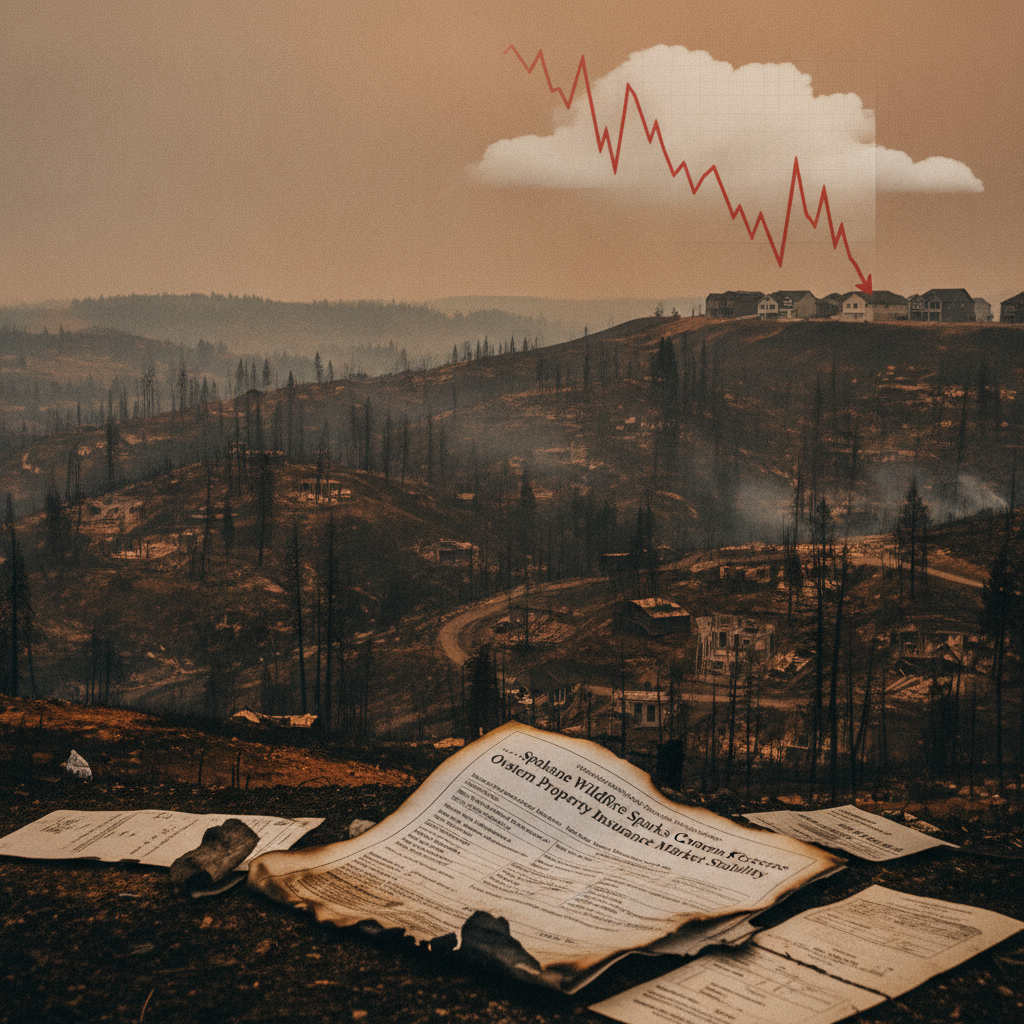
Spokane Wildfire Sparks Concerns Over Western Property Insurance Market Stability
As Washington state reels from a devastating wildfire that destroyed hundreds of homes in Spokane last weekend, experts say the disaster has cast newfound uncertainty over a property insurance market that had just begun to stabilize. Across the country, insurance…

Last updated:
Key points
Spokane Wildfire Sparks Concerns Over Western
- A destructive Spokane wildfire that destroyed 700 homes is testing the resilience of the regional property insurance market.
- Regulators and industry experts emphasize that risk-based pricing and market stability are key to keeping private insurers active.
- Washington officials issued emergency protections for affected policyholders while encouraging proactive home risk-mitigation efforts.
NewsWK — A devastating wildfire in Spokane, Washington, that destroyed roughly 700 homes and forced 60,000 residents to evacuate has focused renewed attention on property insurance markets across the West, according to a report by Stateline.
Before the blaze swept through the city’s northwest neighborhoods, Washington’s property coverage landscape had remained comparatively stable. Unlike states with heavily strained markets, Washington’s FAIR Plan—the state’s insurer of last resort—holds only about 400 active policies, representing a small fraction of the high policy volumes seen in states like California.
Assessing Claims and Market Risk
State regulators are collecting loss data to measure the total financial strain on carriers. In 2023, Washington insurers paid out $240 million in wildfire claims. Regulators note that market impact will largely depend on whether overall losses exceed typical reserves.
“If [the 2026 wildfire season] is comparable to 2023, I think the market can probably absorb it,” said David Forte, senior property and casualty policy adviser with the Washington State Office of the Insurance Commissioner, in a report first published by Stateline. “But if it’s triple that, there may be an impact.”
Industry representatives emphasize that private insurance stability relies on regulatory environments that allow providers to price policies according to actual risk exposure. Industry leaders argue that realistic risk pricing keeps insurers solvent and available in high-risk zones, preventing a broader exit of coverage options for property owners.
However, industry analysts maintain that localized events do not automatically signal market collapse. “This catastrophe that we’re experiencing right now is not going to upend the market,” said Janet Ruiz, strategic communication director with the Insurance Information Institute, in statements cited by Stateline.
Protections and Individual Mitigation Efforts
In response to the disaster, Washington Insurance Commissioner Patty Kuderer issued an emergency order granting a temporary grace period for premium payments and halting immediate policy cancellations for residents in affected ZIP codes.
Both regulatory officials and insurance industry leaders recommend that property owners take proactive measures to manage risk, such as maintaining defensible space by clearing brush and using fire-resistant building materials to help safeguard homes and maintain market accessibility.
Based on reporting by Alex Brown originally published by Stateline. Read the original story.
Related: Western Wildfire Support Act Moves Forward to Protect Communities Across the West
See a typo? Report it here.