National News
Will the Securing Our Critical Infrastructure Act Protect Local Utilities From Cyber Attacks?
Content Files PDF XML TEXT Metadata download Descriptive Metadata (MODS) Preservation Metadata (PREMIS) All Content and Metadata files, including granules ZIP

Last updated:
Key points
- H.R. 10671 aims to protect small- and medium-sized critical utilities like water and power providers from foreign cyberattacks.
- The bipartisan bill, sponsored by Representative Josh Gottheimer, has been referred to the House Committee on Homeland Security.
- The legislation reauthorizes CISA‘s warning program to alert utility operators about ransomware vulnerabilities.
NewsWK — Local water and electric providers across the United States could soon receive stronger federal defense against foreign cyber threats. Congress is actively targeting these rising digital dangers.
How does the Securing Our Critical Infrastructure Act protect local utilities?
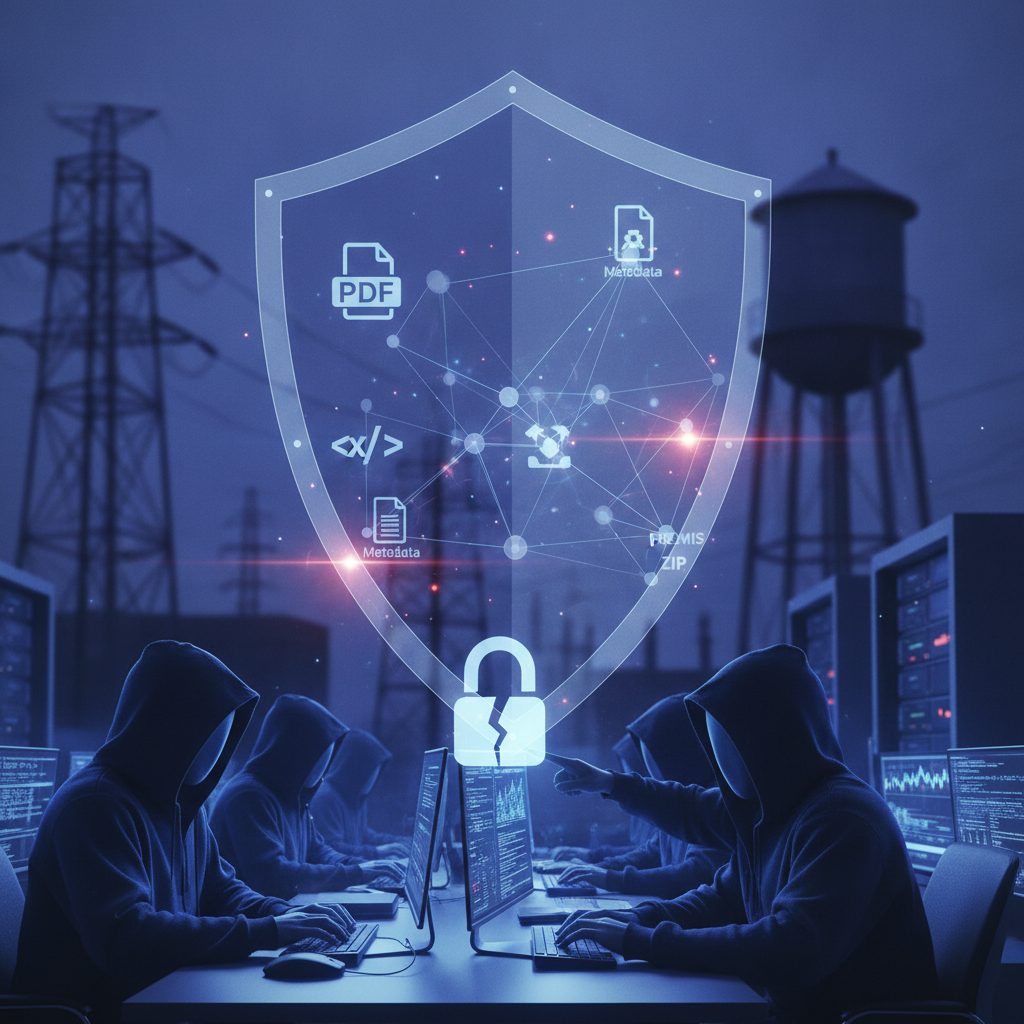
This bipartisan House bill establishes rapid-response and threat-notification support within federal security networks. It specifically helps small- and medium-sized critical utilities defend their local physical systems against malicious intrusions. Consequently, American communities face a lower risk of sudden power grid failures or water supply shutdowns from hostile foreign actors.
What is the status of the Josh Gottheimer cybersecurity bill?
Representative Josh Gottheimer introduced HR 10671 on October 1, 2026, to address these growing national security concerns. Meanwhile, bipartisan cosponsors, including Representatives Don Bacon, Greg Landsman, and Zach Nunn, quickly backed the measure. Currently, the House Committee on Homeland Security is reviewing the legislation before it can reach the House floor.
Why does the CISA vulnerability warning program need reauthorization?
The proposed legislation officially amends the Cyber Incident Reporting for Critical Infrastructure Act of 2022. It reauthorizes a vital federal program that issues critical ransomware vulnerability warning alerts to vulnerable operators. Therefore, critical infrastructure cyber protection remains active. This system ensures that utility operators receive early warnings before hackers can exploit software weaknesses.
This article was produced with the assistance of AI and reviewed by our editorial team.
Sources
Related: Bipartisan Lawmakers Introduce National Critical Minerals Council Act to Secure Supply Chains
See a typo? Report it here.