Health News
Hope Rises in Cancer Vaccine Clinical Trial North Carolina Patients Watch Closely
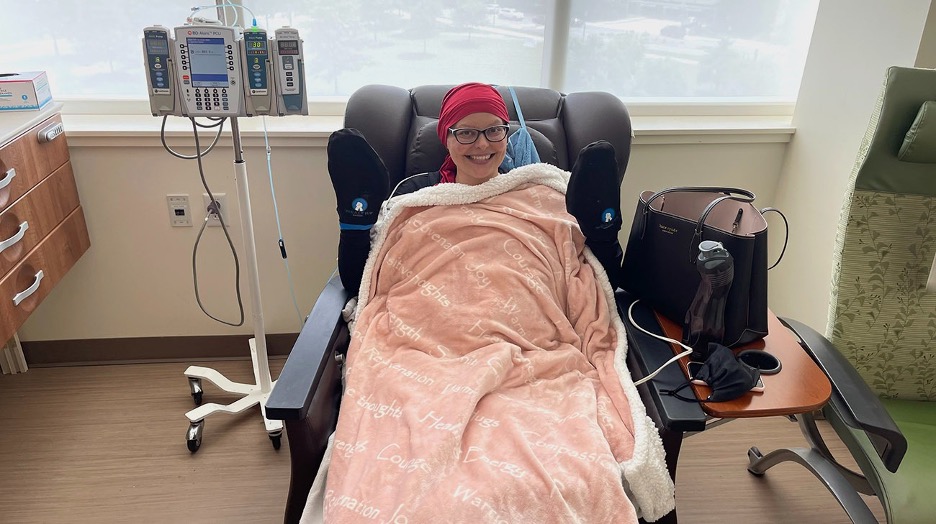
Nearly five years ago, Chase Johnson was cured of breast cancer — but not of the profound anxiety that it would return. When Johnson was originally diagnosed in 2021, the resident of Cary, North Carolina, was only 31 — nearly…

Last updated:
Key points
- Breast cancer survivor Chase Johnson enrolled in an experimental vaccine trial at the Cleveland Clinic after facing a 40% chance of tumor recurrence.
- Early clinical data indicates nearly three-quarters of trial participants mounted an immune response against cancer targets.
- State lawmakers and federal officials continue debating vaccine oversight, parental rights, and public trust as novel oncology shots advance.
NewsWK — Medical researchers across the country are advancing groundbreaking oncology treatments. Meanwhile, many survivors look toward immunizations to stop recurrences before they start. For one Cary NC cancer survivor, joining an experimental study offered a clear path forward after standard care ended.
At age 31, Chase Johnson received a diagnosis of aggressive triple-negative breast cancer. She had no family history of the disease. Soon, doctors declared her cancer-free after chemotherapy, radiation, and surgery. However, her oncologist warned that the risk of recurrence remained at 40%. Therefore, Johnson enrolled in a specialized study to train her immune system against future tumors.
Why it matters
Cancer remains a leading cause of death across the United States. Furthermore, new preventative and therapeutic vaccines could save thousands of lives each year. Yet ongoing debates over public health trust and federal oversight threaten patient acceptance. In addition, questions about medical freedom could slow the adoption of these emerging treatments.
Cancer care costs place heavy financial burdens on taxpayers, insurers, and households. As a result, innovative treatments that prevent recurrence can reduce expensive hospitalizations and long-term disability. Meanwhile, healthcare providers must navigate growing public scrutiny regarding pharmaceutical safety and federal mandates. In fact, preserving public confidence in genuine medical breakthroughs requires clear transparency and solid evidence.
How does a breast cancer vaccine trial protect survivors?
A breast cancer vaccine trial trains the body’s natural defenses to destroy malignant cells before tumors form. Specifically, researchers at the Cleveland Clinic developed the shot that Johnson received. Early results show that the treatment generated a measurable immune response in nearly three-quarters of trial participants.
Traditional vaccines typically prevent viral infections before they occur. In contrast, many new cancer vaccines serve as therapeutic tools to prevent malignant recurrences. For this reason, Johnson joined the clinical trial to lower her chances of facing another tumor. The experimental therapy provided an extra layer of defense beyond standard surgery and radiation.
“It’s just so promising and as a patient, it gave me a lot of hope,” Johnson said. “I feel much more protected having done it.”
What makes new cancer vaccines different today?
Today, modern developers leverage diverse technologies like mRNA platforms to create personalized treatments for specific tumor markers. In recent clinical tests, major pharmaceutical firms successfully combined customized mRNA shots with immunotherapy drugs. Consequently, these combined therapies showed strong success in fighting advanced skin cancer.
These developments rely on several distinct scientific methods:
- Targeted antigen presentation that teaches T-cells to spot cancer proteins.
- Personalized genetic profiling using mRNA instructions from an individual’s tumor.
- Combination therapies that blend immunizations with existing oncology drugs.
Ultimately, these approaches offer precision care while sparing patients from the harsh side effects of broad chemotherapy.
What challenges drive cancer vaccine hesitancy across the country?
Public debate over pharmaceutical oversight and medical autonomy has fueled widespread vaccine hesitancy in recent years. In addition, skepticism intensified following pandemic-era disputes, federal mandates, and conflicting statements from health officials. Consequently, doctors worry these growing doubts could slow voluntary participation in vital clinical studies.
For example, researchers often cite the human papillomavirus immunization to illustrate shifting public sentiment. The Food and Drug Administration approved that preventative shot for females in 2006. Later, the agency expanded approval to males in 2009. Health agencies reported that 63% of American teenagers completed the full series last year. However, uptake still varies widely across different states.
State-level completion rates highlight substantial regional variation:
- Rhode Island reached an 85% completion rate among teens.
- Massachusetts achieved 80% coverage.
- South Carolina recorded a 55% completion rate.
- Mississippi recorded the lowest rate at 31%.
Meanwhile, concerns over parental consent have also shaped local policy decisions. For instance, Iowa Gov. Kim Reynolds signed legislation requiring parental approval for minors receiving vaccines connected to sexually transmitted infections. Furthermore, state lawmakers across 34 states introduced over 200 bills this year concerning vaccination regulations and exemption rules.
How will public policy shape access to the cancer vaccine clinical trial North Carolina residents follow?
Future access depends on rigorous safety evaluations and transparent regulatory reviews by federal agencies. At the Department of Health and Human Services, Secretary Robert F. Kennedy Jr. scrutinized historical vaccine trials. Additionally, he dismissed prior advisory members to reshape federal oversight. As a result, federal leadership proposed reassessing research allocations while emphasizing rigorous accountability.
Today, lawmakers actively balance individual liberty with the desire to foster genuine medical innovation. For patients like Johnson, clinical research provided an essential lifeline. Fortunately, she recently reached five years in remission and reported far less dread regarding her diagnosis.
“I think I’ll always have some sort of low-grade anxiety about it,” Johnson said. “It’s given me a great, great amount of peace of mind.”
Ultimately, sound science and open debate will decide whether these therapies achieve broad public trust nationwide.
This article was produced with the assistance of AI and reviewed by our editorial team.
Sources
Related: House Resolution 1499 Clears Way for Critical Votes on Mining, Higher Education, and Maritime Rules
Related: Study Examines Women on Parole Mental Health and Reentry Crises Across the US
See a typo? Report it here.