Health News
How New HIV Prevention Funding Cuts Are Shifting Control to State Health Departments
Nearly 100 community-based organizations have lost their federal HIV-prevention grants this week as the Trump administration redirects dollars to state and local health departments. The funding change represents a departure from the decades-old national HIV prevention strategy favored by most public…

Last updated:
Key points
- The federal government is redirecting HIV prevention funds away from local non-profits to state health departments.
- Nearly 100 community-based organizations across 31 states have lost direct federal funding as a result of the policy shift.
- Losing direct federal grants disqualifies local clinics from the 340B drug discount program, raising medication costs.
NewsWK — The federal government is changing how it distributes HIV prevention dollars across the United States. This policy shift moves control of federal resources away from local non-profit groups. Instead, federal officials are routing these funds directly to state and local health agencies. Consequently, nearly 100 community-based organizations in 31 states have lost their direct federal grants.
Why it matters
This funding transition affects how local communities manage public health resources. By shifting control to state governments, the federal policy emphasizes state-level oversight and coordination. However, the sudden change leaves many local clinics without immediate funding. This gap could disrupt testing, outreach, and access to preventative medications in vulnerable neighborhoods.
What Are the Ending the HIV Epidemic initiative changes?
The federal government is restructuring the Ending the HIV Epidemic initiative changes. They are routing funds through state health departments instead of giving direct grants to local non-profits. This administrative shift aims to centralize public health oversight. However, it has led to immediate funding disruptions for community-based organizations nationwide.
The original program launched in 2021 to reduce new HIV infections by 90% by the year 2030. Since its launch, the initiative distributed nearly $240 million directly to 96 community groups. These local organizations used the money for testing and distributing pre-exposure prophylaxis (PrEP) medications. However, federal officials have now ended these direct grants. Instead, they are offering one-time grants to state and local health departments.
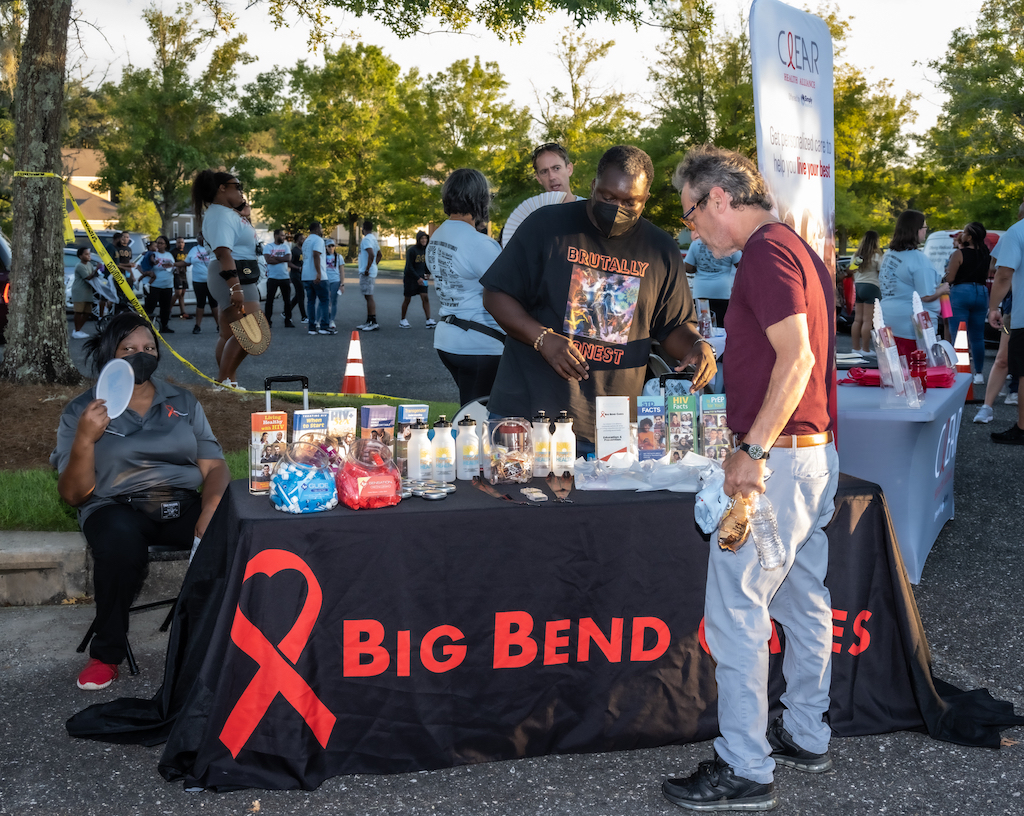
“They’re a voice in the community that people trust, and these programs really are able to reach people who are at greatest vulnerability to HIV,” said Lindsey Dawson, associate director for HIV policy at KFF. Without direct federal support, many of these trusted local networks may dissolve.
Why Are Federal Officials Directing CDC HIV funding state health departments?
Federal officials are redirecting CDC HIV funding state health departments to improve accountability. This allows states to coordinate their own public health responses. With state-level oversight, the administration seeks to align prevention resources with local public health infrastructure. However, the guidelines for passing money to local groups remain entirely voluntary.
Under the new structure, the federal government will distribute about $90 million to state health departments through May 2027. This total is almost double the previous annual budget of $48 million. However, state agencies now hold the decision-making power. Federal guidelines encourage states with high diagnosis rates to send at least 25% of the money to community groups. For states with fewer cases, the suggested amount is 10%. Crucially, these guidelines are voluntary, and states face no penalty if they keep the funds.
State agencies must spend any retained funds on HIV surveillance and PrEP access. Proponents of this model argue that state health departments can better coordinate resources across entire regions. They believe centralized administration reduces duplication and ensures better fiscal tracking of federal tax dollars.
How Do These community HIV prevention program funding Shifts Affect Local Groups?
This gap in community HIV prevention program funding forces some local non-profits to scale back services, while others must lay off staff or close entirely. Many state health departments require up to 90 days to draft and approve new contracts. Consequently, local clinics face an immediate and dangerous funding gap.
Many state health departments require 45 to 90 days to draft and approve new contracts. Because of this administrative delay, community groups face a funding gap. Public health experts warn that many local organizations cannot survive even a brief pause in federal support. Several states are experiencing immediate impacts from this transition:
- Texas: Allies in Hope expects a budget cut of $441,000, forcing staff layoffs.
- North Carolina: PowerHouse Charlotte announced it will close after 16 years of service.
- Minnesota and Oregon: State funding levels cannot match previous direct federal grants.
What Is the Impact of federal HIV prevention grants Cuts on Drug Pricing?
The loss of federal HIV prevention grants disqualifies community groups from the federal 340B drug discount program. This change dramatically increases the cost of acquiring preventative medications like PrEP. Consequently, local clinics face both reduced funding and higher drug prices, putting their operations in jeopardy.
Without direct federal grants, these community groups lose their eligibility for the federal 340B drug discount program. This loss increases the cost of acquiring preventative medications. Consequently, local clinics will struggle to serve their clients. “When you took away this grant, you also took away their 340B status,” said Maximillian Boykin, manager of the Save HIV Funding Campaign. He noted that this change leaves many local clinics extremely fragile.
This article was produced with the assistance of AI and reviewed by our editorial team.
Sources
Related: Study Examines Women on Parole Mental Health and Reentry Crises Across the US
Related: Democrats aim to emulate Republicans in building state power
See a typo? Report it here.